
Table of Contents
- Quick Answer
- 1. Why People Are Asking This Question Now
- 2. The Real Reasons New Balance Became Popular Again
- 3. Product Strategy: Comfort Over Hype
- 4. Culture Shift: Why Consumers Changed
- 5. New Balance vs Other Major Sportswear Brands
- 6. Who New Balance Is Popular With Today
- FAQs
- What Brands Can Learn from New Balance’s Comeback
Quick Answer
New Balance is popular again because it aligned perfectly with today’s demand for comfort, authenticity, and long-term wear — not because it chased trends.
From my experience working with activewear development, brand positioning, and private-label manufacturing, New Balance didn’t “relaunch” itself — it simply became relevant again as consumer priorities changed.
1. Why People Are Asking This Question Now
When people search “Why is New Balance so popular again?”, they’re noticing that:
- New Balance sneakers are everywhere again
- The brand shows up in both gyms and daily life
- Younger consumers are wearing it without irony
- It feels more current than many trend-driven brands
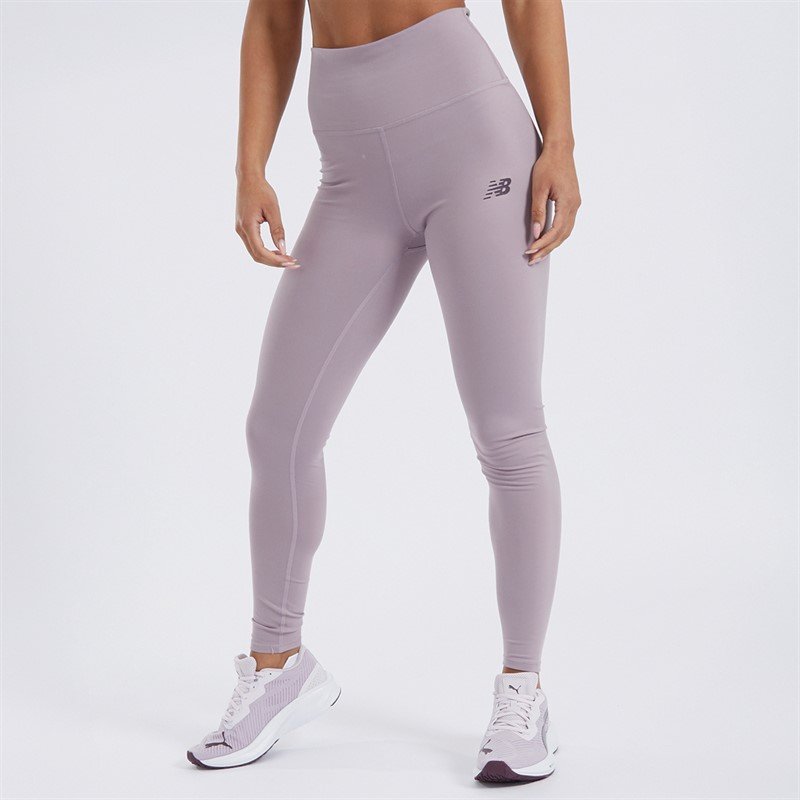
This leads to a bigger question:
What changed — New Balance, or the market?
Official brand reference:
👉 https://www.newbalance.com/
2. The Real Reasons New Balance Became Popular Again
✔ Comfort became a priority
As lifestyles shifted, consumers started valuing:
- cushioning
- stability
- wearable silhouettes
New Balance already specialized in these areas — it didn’t need to pivot.
✔ “Dad shoe” aesthetics became acceptable
What was once considered unfashionable:
- bulky profiles
- neutral colors
- functional design
became desirable as fashion moved toward practicality.
✔ Consistency beat trend-chasing
New Balance didn’t flood the market with hype drops.
Instead, it focused on:
- core silhouettes
- repeatable fits
- recognizable design language
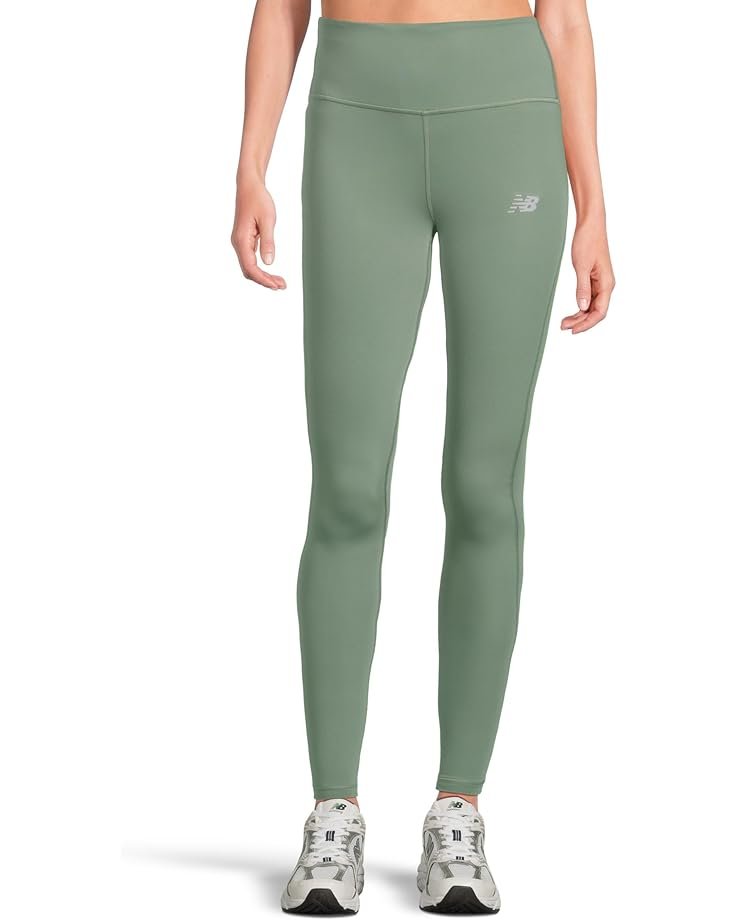
This built long-term trust.
3. Product Strategy: Comfort Over Hype
From a product-development perspective, New Balance succeeded by not overcomplicating things.
Key product strengths include:
- stable midsoles
- supportive uppers
- balanced cushioning
- neutral, versatile styling
These products work for:
- walking
- gym training
- daily wear
which naturally expanded the brand’s audience.
4. Culture Shift: Why Consumers Changed
The comeback isn’t just about shoes or apparel — it’s about mindset.
Consumers today are:
- less trend-obsessed
- more comfort-driven
- tired of fast fashion cycles
- looking for brands that feel “real”
New Balance fits this cultural moment because it feels:
- authentic
- understated
- functional
rather than aggressively marketed.
5. New Balance vs Other Major Sportswear Brands
| Brand | Core Strategy | Popularity Style |
|---|---|---|
| New Balance | Comfort & function | Steady, organic |
| Nike | Innovation & marketing | Always mainstream |
| Adidas | Sport & lifestyle mix | Cyclical |
| Gymshark | Gym aesthetics | Social-media driven |
Key takeaway:
New Balance’s popularity grew quietly, not explosively — and that made it last.
6. Who New Balance Is Popular With Today
New Balance resonates strongly with:
- consumers who value comfort
- people who walk or train regularly
- buyers tired of trend fatigue
- customers who want versatile footwear and apparel
It’s less focused on:
- hype culture
- limited drops
- loud branding
This selective appeal is exactly why it feels credible again.
FAQs
Q1: Is New Balance trendy or timeless now?
It’s closer to timeless — that’s why the popularity feels stable.
Q2: Is New Balance popular because of social media?
Social media helped, but comfort and authenticity drove the comeback.
Q3: Did New Balance change its products?
Not significantly. Consumer preferences changed more than the brand did.
Q4: Is New Balance popular only for shoes?
Shoes lead the comeback, but apparel and activewear benefit from the same trust.
What Brands Can Learn from New Balance’s Comeback
New Balance proves a powerful lesson:
Brands don’t always need reinvention — they need patience and clarity.
At
👉 https://fukigymwear.com/
we help brands build activewear that aligns with long-term demand, not short-term hype:
What We Support
- comfort-driven activewear development
- stable fit & fabric strategies
- gym-to-lifestyle product positioning
- low-MOQ OEM / ODM manufacturing
- private-label brand building
If you want to build a brand people come back to — not just click on once — New Balance’s resurgence is a model worth studying.
