
As someone who works closely with fabric mills and performance-wear OEM factories, I’ve seen why Patagonia’s materials consistently stand out.
Their approach is not just about performance — it’s about fiber choices, traceability, recycling systems, and long-term durability that most brands don’t match.
This guide breaks it down simply.
Table of Contents
- Quick Answer
- 1. Patagonia’s Material Philosophy
- 2. Key Materials That Make Patagonia Different
- 3. Patagonia vs Other Outdoor Brands
- 4. Who Benefits Most From Patagonia Materials
- FAQs
- Related Links
Quick Answer
Patagonia materials are different because they prioritize recycled fibers, traceable supply chains, ethical sourcing, and unusually high durability.
Compared with most outdoor brands, Patagonia invests more deeply in eco-textiles, long-wear fabric treatments, and transparent manufacturing standards.
External references:
- Patagonia Materials: https://www.patagonia.com/our-footprint/materials/
- Fabric Innovations: https://www.patagonia.com/innovation/
1. Patagonia’s Material Philosophy
Patagonia follows three pillars:
1) Recycled First
They use recycled polyester, recycled nylon, and reclaimed down whenever possible.
2) Transparency and Traceability
Fibers are traced from raw material → mill → finished garment to ensure environmental and labor compliance.
3) Longevity Over Fast Fashion
Patagonia tests fabrics for abrasion, pilling, tear strength, seam fatigue, and wash durability more aggressively than most outdoor brands.
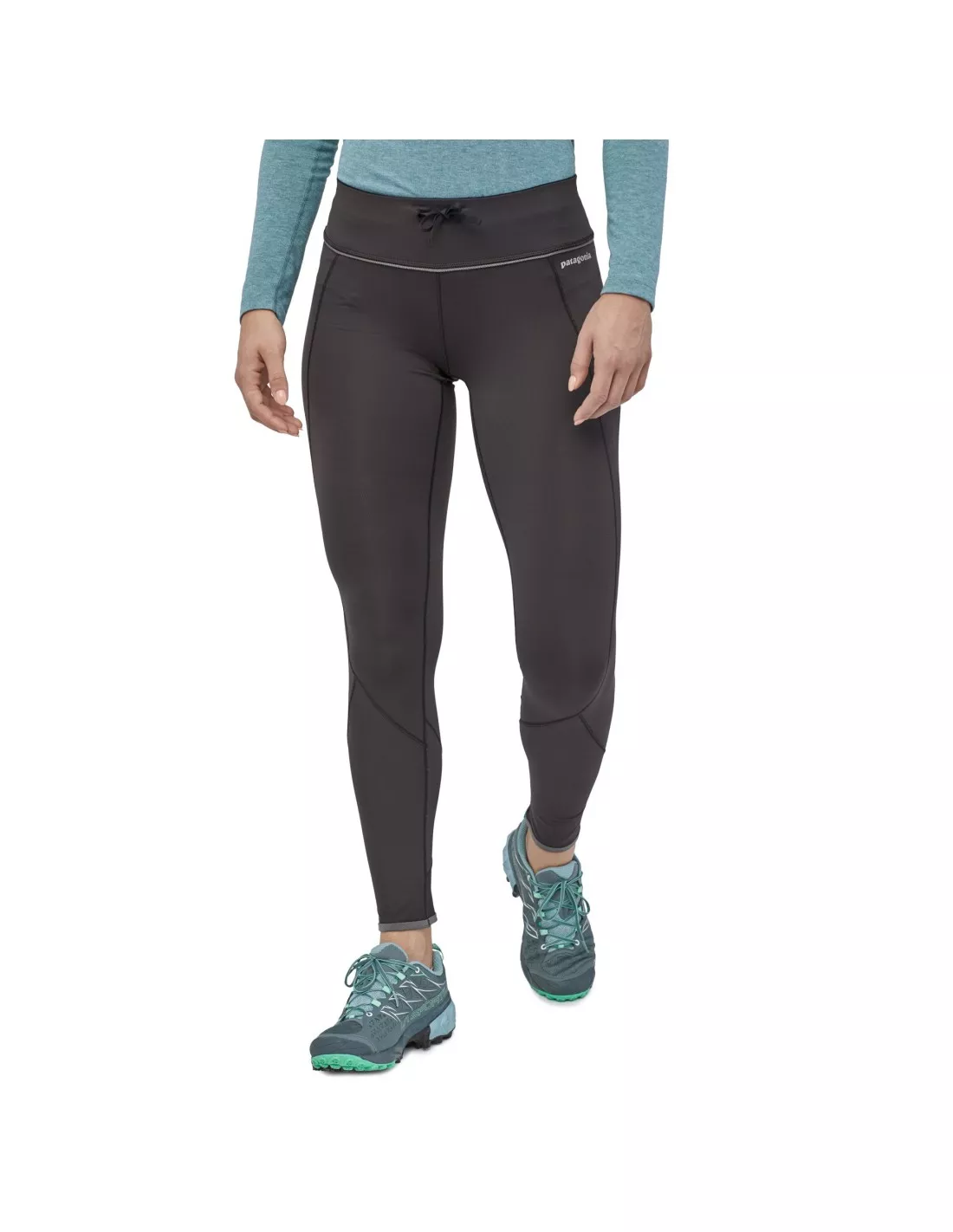
2. Key Materials That Make Patagonia Different
| Material Type | What Makes It Different | Why It Matters |
|---|---|---|
| Recycled Polyester (rPET) | Made from post-consumer bottles | Lower carbon impact than virgin polyester |
| NetPlus® Nylon | Nylon made from recycled fishing nets | Reduces ocean waste, highly durable |
| Regenerative Organic Cotton | Grown under soil-health & animal-welfare standards | Softer feel + environmental benefits |
| Traceable Down Standard | Down sourced only from audited farms | No live-plucking or force-feeding |
| H2No® Waterproof Membrane | Patagonia’s eco-forward waterproof system | Breathable, long-lasting, repair-friendly |
OEM Insight: Patagonia often specifies higher yarn counts, tighter weaves, and more rigorous dye/finish specs, which mills charge more for — but it dramatically improves performance.
3. Patagonia vs Other Outdoor Brands
Below is a comparison with competitors — with embedded external links as requested:
| Brand | Price Range | Material Strengths | Notes |
|---|---|---|---|
| Patagonia | $130–$350 | Recycled fibers, eco-dyes, long-wear fabrics | Best durability + sustainability |
| The North Face | $120–$400 | Performance synthetics, fashion-forward | More trend-driven materials |
| Arc’teryx | $300–$800 | Elite technical laminates (Gore-Tex Pro) | Highest performance for alpine conditions |
Takeaway:
Patagonia = eco-materials + long-term durability
TNF = performance + lifestyle appeal
Arc’teryx = highest technical level
4. Who Benefits Most From Patagonia Materials
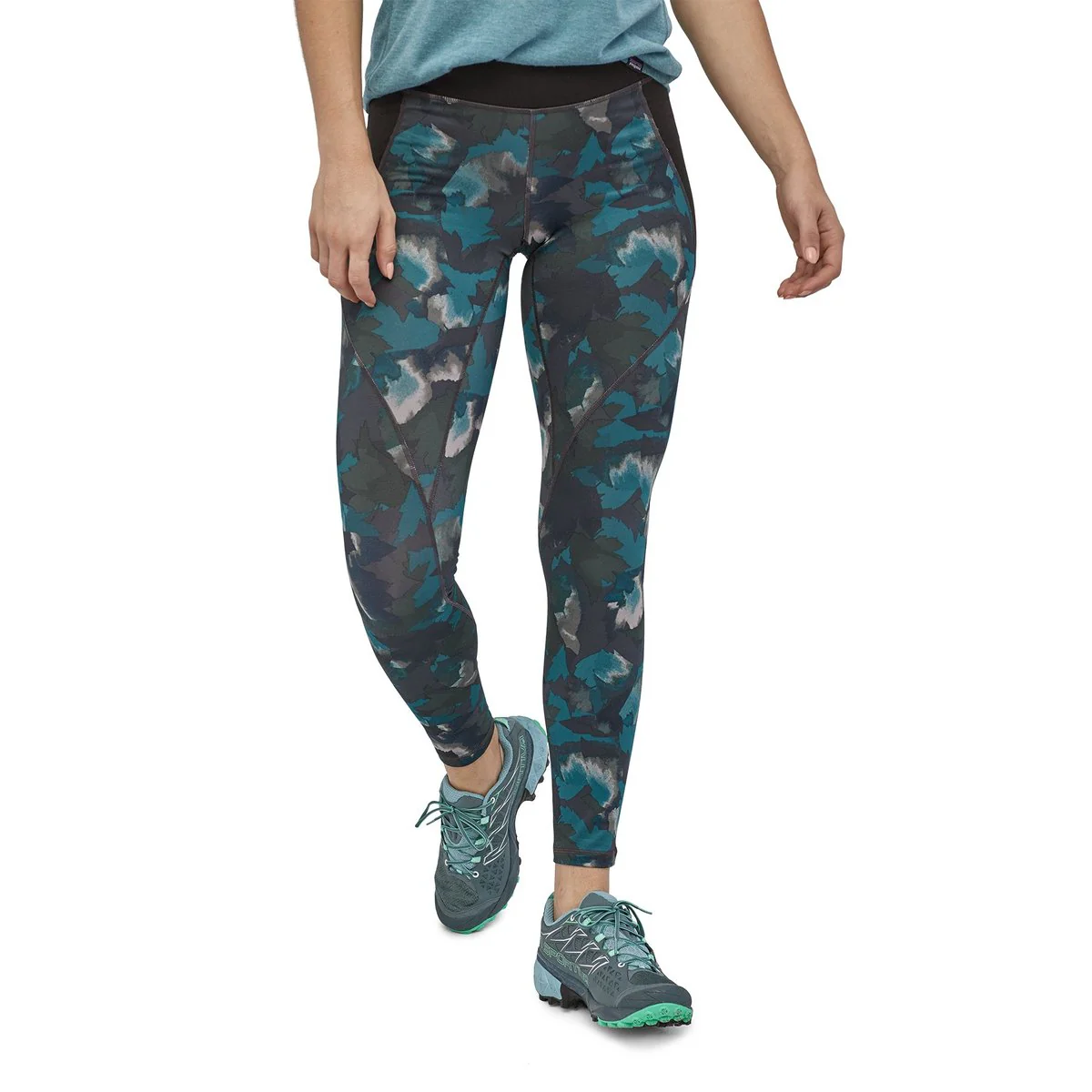
Choose Patagonia if you want:
- Gear that lasts many years
- Reliable performance outdoors
- Lower environmental impact
- Fabrics that stay stable after repeated washing
Consider other brands if:
- You need elite alpine gear (Arc’teryx)
- You prefer more fashion-oriented pieces (The North Face)
FAQs
Q1: Are Patagonia materials more durable than other brands?
Yes — Patagonia often uses higher-grade recycled yarns and reinforces stress points more thoroughly.
Q2: Does recycled fabric affect performance?
No. Modern recycled yarns often match or exceed virgin synthetics in strength and stability.
Q3: Why are Patagonia garments more expensive?
Because recycled materials, clean dyeing processes, and ethical manufacturing add real cost.
Related Links
- Patagonia Material Standards: https://www.patagonia.com/our-footprint/materials/
- Sustainability Overview: https://www.patagonia.com/our-footprint/
- Activewear OEM Support (Your Brand): https://fukigymwear.com
