
As someone who works closely with apparel OEM factories and premium outdoor brands, I often hear the same question:
“Why does Patagonia cost more than other outdoor labels?”
This guide explains Patagonia’s pricing in a simple, structured, beginner-friendly way—covering materials, labor, sustainability, performance, and comparisons with The North Face and Arc’teryx.
Table of Contents
- Quick Answer
- 1. What Drives Patagonia’s Higher Price
- 2. Materials & Construction Quality
- 3. Sustainability Costs (What You Actually Pay For)
- 4. Patagonia vs The North Face vs Arc’teryx
- 5. Who Should Choose Patagonia
- FAQs
- Related Links
Quick Answer
Patagonia is expensive because the brand invests heavily in premium materials, ethical manufacturing, long-lasting construction, and rigorous sustainability standards.
You are paying for durability + mission-driven production, not trend-focused design.
External references:
- Patagonia Official: https://www.patagonia.com
- Worn Wear Repair Program: https://wornwear.patagonia.com
1. What Drives Patagonia’s Higher Price
From factory insight and OEM production experience, four major factors raise costs:
- Higher raw material grade (recycled polyester, traceable down, advanced fleece)
- Fair labor & ethical sourcing standards
- Durability requirements beyond typical outdoor brands
- Extensive repair, recycling, and product-lifecycle programs
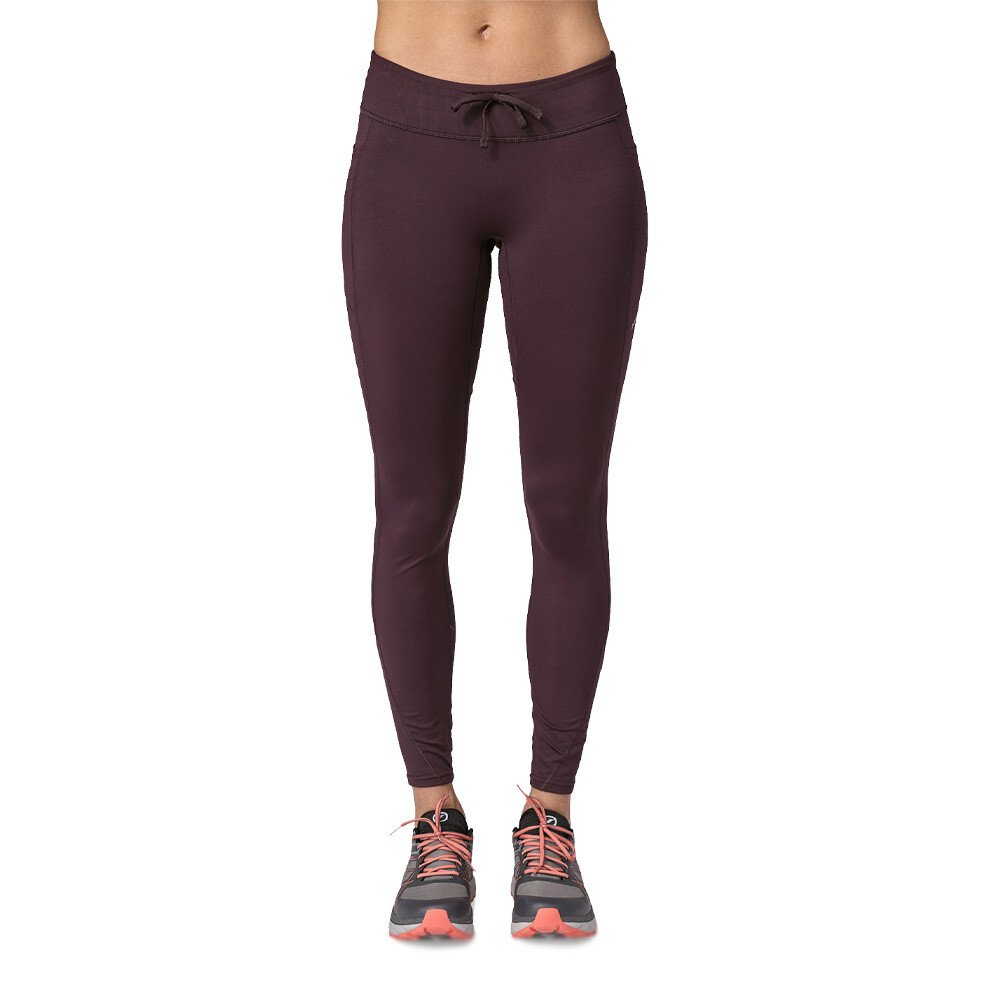
Patagonia’s internal QC procedures are noticeably stricter than mainstream outdoor brands, which also increases cost.
2. Materials & Construction Quality
Patagonia consistently chooses components that cost more but last longer:
Premium Inputs
- Recycled nylon & polyester with controlled yarn specs
- Responsible Down Standard fillings
- Proprietary fleece (Synchilla, R1/R2 textures)
Construction Approach
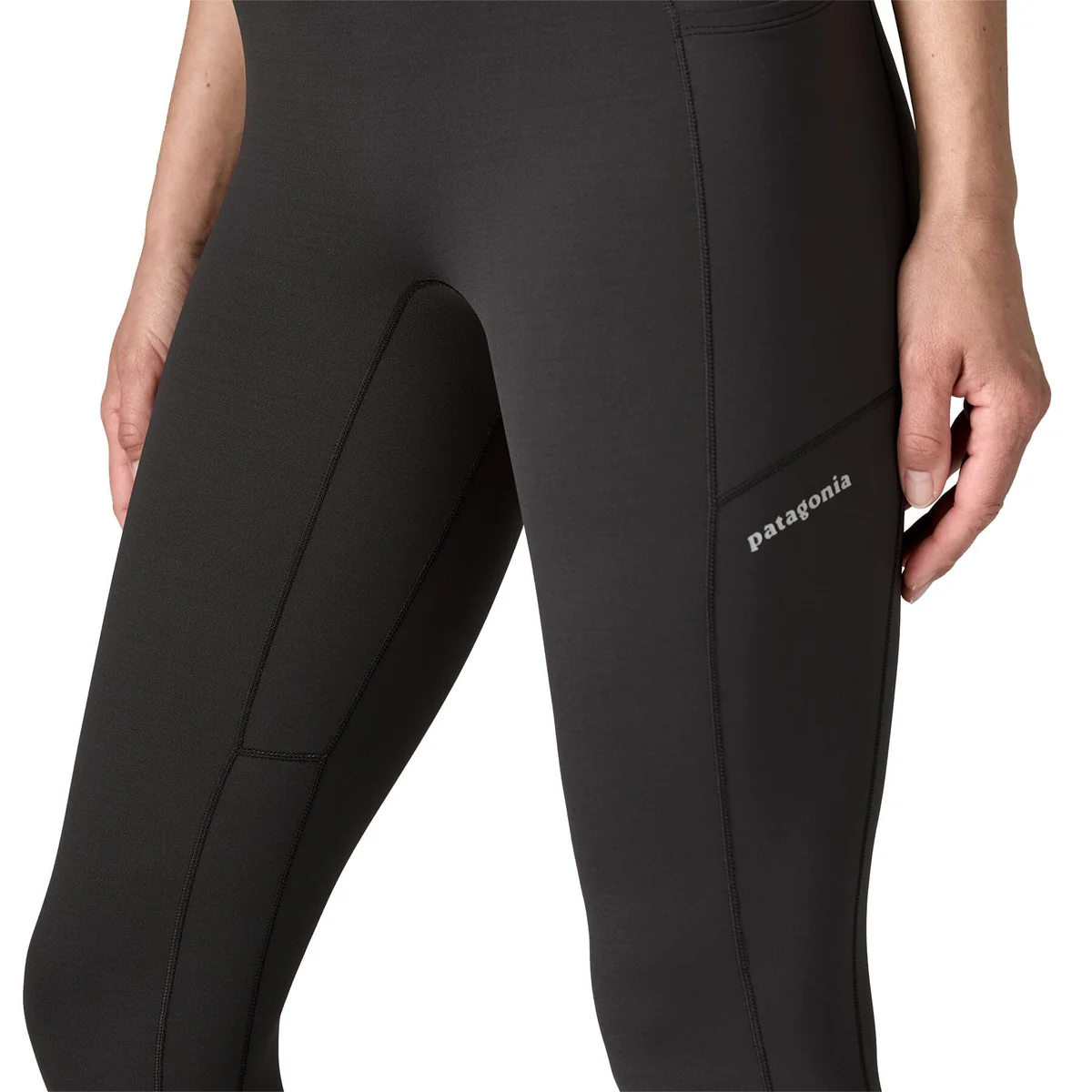
- Tighter stitching density
- More complex seam placement for mobility
- Long-term abrasion testing before bulk production
Result: Patagonia garments can last 3–5× longer than cheaper outdoor jackets.
3. Sustainability Costs (What You Actually Pay For)
Sustainability isn’t a marketing slogan—it adds real cost in production:
- Third-party audits for environment and labor
- Higher-cost certified materials
- Waste-reduction practices inside factories
- Take-back, repair, and recycle systems
Unlike fast outdoor brands, Patagonia designs clothing for multi-season longevity, not quick replacement.
4. Patagonia vs The North Face vs Arc’teryx
A clear side-by-side comparison:
| Brand | Price Range | Strengths | Notes |
|---|---|---|---|
| Patagonia | $130–$350 | Durability, eco-materials, reliable QC | Best long-term value |
| The North Face | $120–$400 | Fashion + performance | More trend-driven |
| Arc’teryx | $300–$800 | Elite alpine engineering | Highest technical level |
Takeaway:
Patagonia sits between TNF and Arc’teryx—less technical than Arc’teryx, but built to last and ethically made.
5. Who Should Choose Patagonia
Choose Patagonia if you want:
- A jacket that lasts many years
- Strong eco-values behind the product
- Reliable outdoor performance
- Low-maintenance durability
Consider other brands if:
- You prefer high-fashion styling (The North Face)
- You need top-tier alpine gear (Arc’teryx)
FAQs
Q1: Is Patagonia overpriced?
No—its durability and repair program often make it cheaper long-term.
Q2: Do Patagonia jackets last longer?
Yes. Their QC and materials outperform most mid-range outdoor brands.
Q3: Is Patagonia worth it for casual use?
If you value longevity and sustainability, absolutely.
Q4: Why is Arc’teryx even more expensive?
Ultralight alpine engineering and highly technical materials.
Related Links
- Patagonia Product Care & Repair: https://wornwear.patagonia.com
- Patagonia Materials & Innovation: https://www.patagonia.com/our-footprint/
- Activewear OEM Support (your site): https://fukiyoga.com
