
As someone who works with OEM factories that produce cross-training shoes and apparel for global brands, I often get asked:
“Is New Balance good for gym training?”
Here’s a simple, beginner-friendly breakdown based on real manufacturing insights.
Table of Contents
- Quick Answer
- 1. How New Balance Performs in Training
- 2. Best New Balance Shoes for Training
- 3. New Balance vs Other Training Brands
- 4. Who Should Choose New Balance for Training?
- FAQs
- Related Links
Quick Answer
Yes — New Balance is very good for general training, especially strength training, functional workouts, and hybrid gym sessions.
NB shoes tend to offer:
- stable midsoles
- reliable heel support
- multiple width options
- strong durability
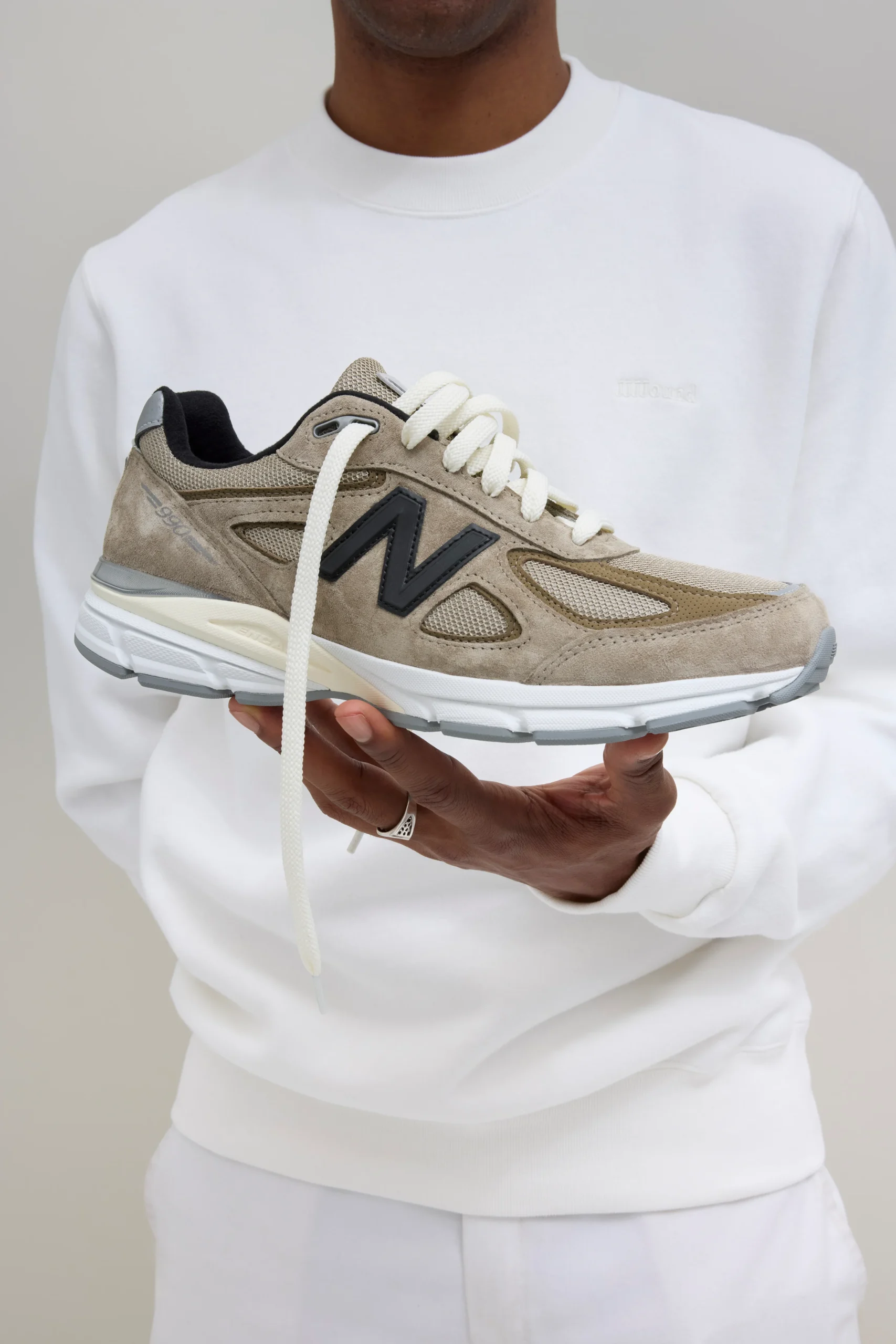
However, if you do heavy Olympic lifting or high-intensity plyometric training, some specialized brands (Nike, Reebok) may offer more technical platforms.
External references:
- New Balance Training Collection: https://www.newbalance.com/training
- NB Technology Overview: https://www.newbalance.com/innovation
1. How New Balance Performs in Training
Based on OEM outsole testing, midsole compression tests, and real gym usage:
✔ Strengths
- Stable heel support for squats, machines, kettlebells
- Neutral, balanced cushioning for all-around gym sessions
- Great fit options (2E / 4E widths uncommon in other brands)
- Durable uppers that handle rope pulls, sleds, and abrasion
❌ Limitations
- Not the best for explosive Olympic lifting
- Some soft-foam models feel less responsive for HIIT
- Less marketing focus compared with NB running shoes
Summary
NB = excellent for everyday training, strength, and functional work.
2. Best New Balance Shoes for Training
| Training Style | Best NB Model | Why It Works |
|---|---|---|
| Strength training | NB Minimus TR | Flat, stable, grippy, great ground feel |
| General gym workouts | NB 608 / 624 | Supportive and durable classics |
| HIIT & circuits | NB FuelCell Trainer | Lightweight, responsive cushioning |
| Hybrid running + gym | NB Fresh Foam X | Soft enough for treadmill, stable enough for machines |
OEM note: NB’s Minimus line is one of the most biomechanically stable shoes in its category.
3. New Balance vs Other Training Brands
| Brand | Training Strength | Notes |
|---|---|---|
| New Balance | Stability + comfort | Best width options, great all-rounders |
| Nike | HIIT + dynamic movement | More explosive cushioning |
| Reebok | CrossFit + lifting | Very stable platforms |
| Adidas | Versatile training | Softer midsoles, stylish options |
Key Takeaway:
New Balance = best daily trainer for stability + comfort.
Nike/Reebok = better for intense athletic training.
Who Should Choose New Balance for Training?
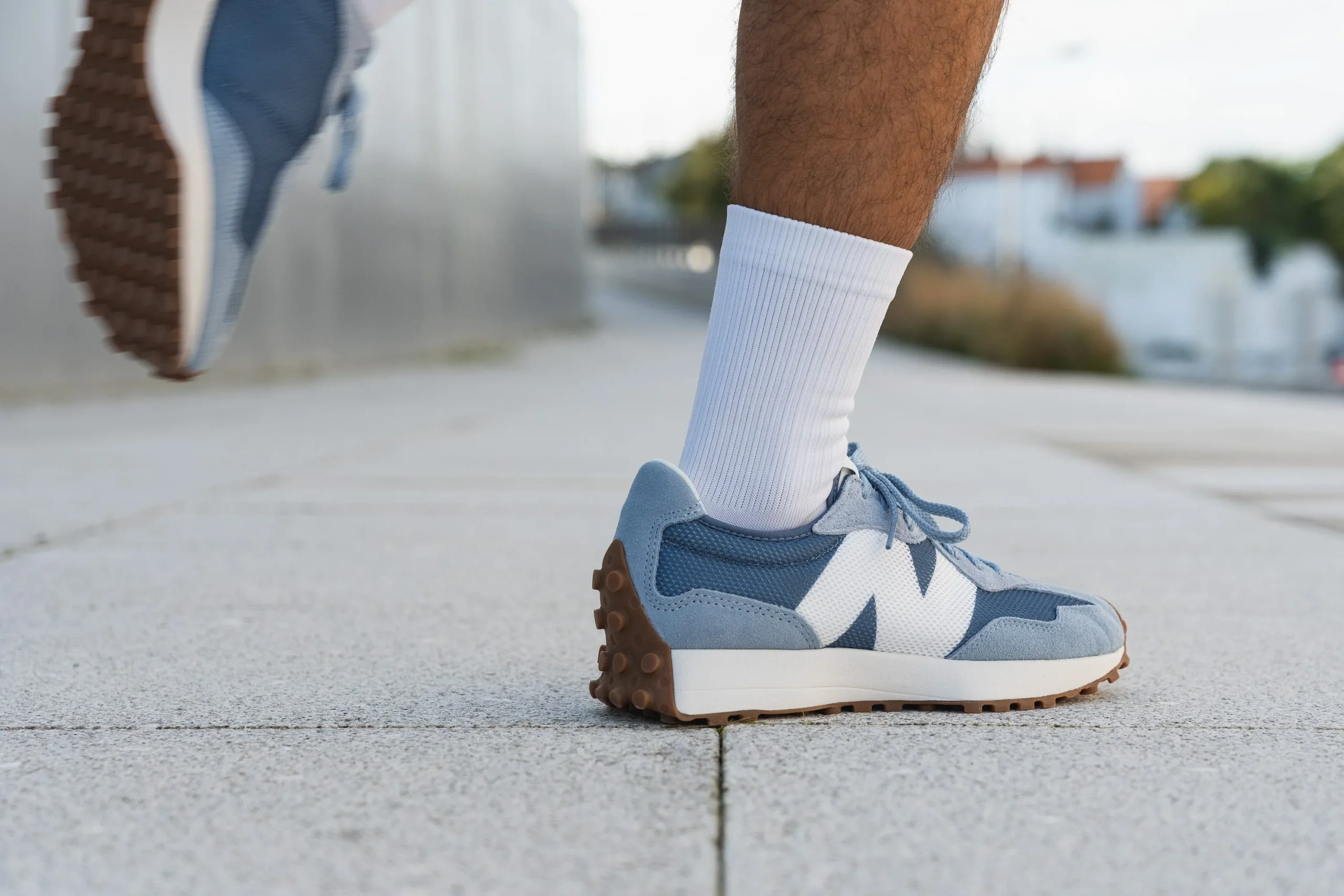
Choose New Balance if:
- you want stable shoes for machines, squats, or daily gym workouts
- you have wide feet and other brands feel tight
- you train 2–4 days per week with mixed workouts
- you prefer comfort + durability over aggressive bounce
Consider another brand if:
- you do advanced HIIT or explosive plyometrics
- you need Olympic weightlifting platforms
- you want maximum energy return for agility sports
Internal Link
If you're creating your own activewear or training apparel line, start here:
👉 https://fukigymwear.com
FAQs
Q1: Are New Balance shoes good for heavy lifting?
For moderate lifting — yes. For Olympic lifting, choose specialized lifters.
Q2: Do NB training shoes run true to size?
Most do. Some Minimus models feel snug because they’re built for stability.
Q3: Are NB training shoes durable?
Yes — NB uses strong overlays and TPU panels that last longer than many fast-fashion trainers.
Q4: Can I run in New Balance training shoes?
Light treadmill runs are fine, but for long distances use NB running models.
Related Links
- New Balance Training: https://www.newbalance.com/training
- NB Technology: https://www.newbalance.com/innovation
- OEM Activewear Support: https://fukigymwear.com
