
As someone who works directly with outdoor-wear OEM factories that produce insulated jackets, technical fleece, and waterproof shells, I often hear the same question:
“Is Patagonia really worth the price?”
Here’s a clear, beginner-friendly breakdown based on real production insights, fabric technology, and long-term durability — without overcomplicating things.
Table of Contents
- Quick Answer
- 1. Why Patagonia Costs More
- 2. Patagonia vs Other Outdoor Brands
- 3. Who Should Buy Patagonia (and Who Shouldn’t)
- 4. How Patagonia Holds Its Value
- FAQs
- Related Links
Quick Answer
Yes — Patagonia is worth the price for people who value durability, sustainability, and long-term performance.
From an OEM perspective, they use high-grade recycled fibers, certified factories, strict stitching standards, and long-lasting trims that many mid-range brands skip.
However, if you only need something for light casual wear, more affordable brands may offer enough.
External references:
- Patagonia Official: https://www.patagonia.com
- Patagonia Materials Index: https://www.patagonia.com/our-footprint
1. Why Patagonia Costs More
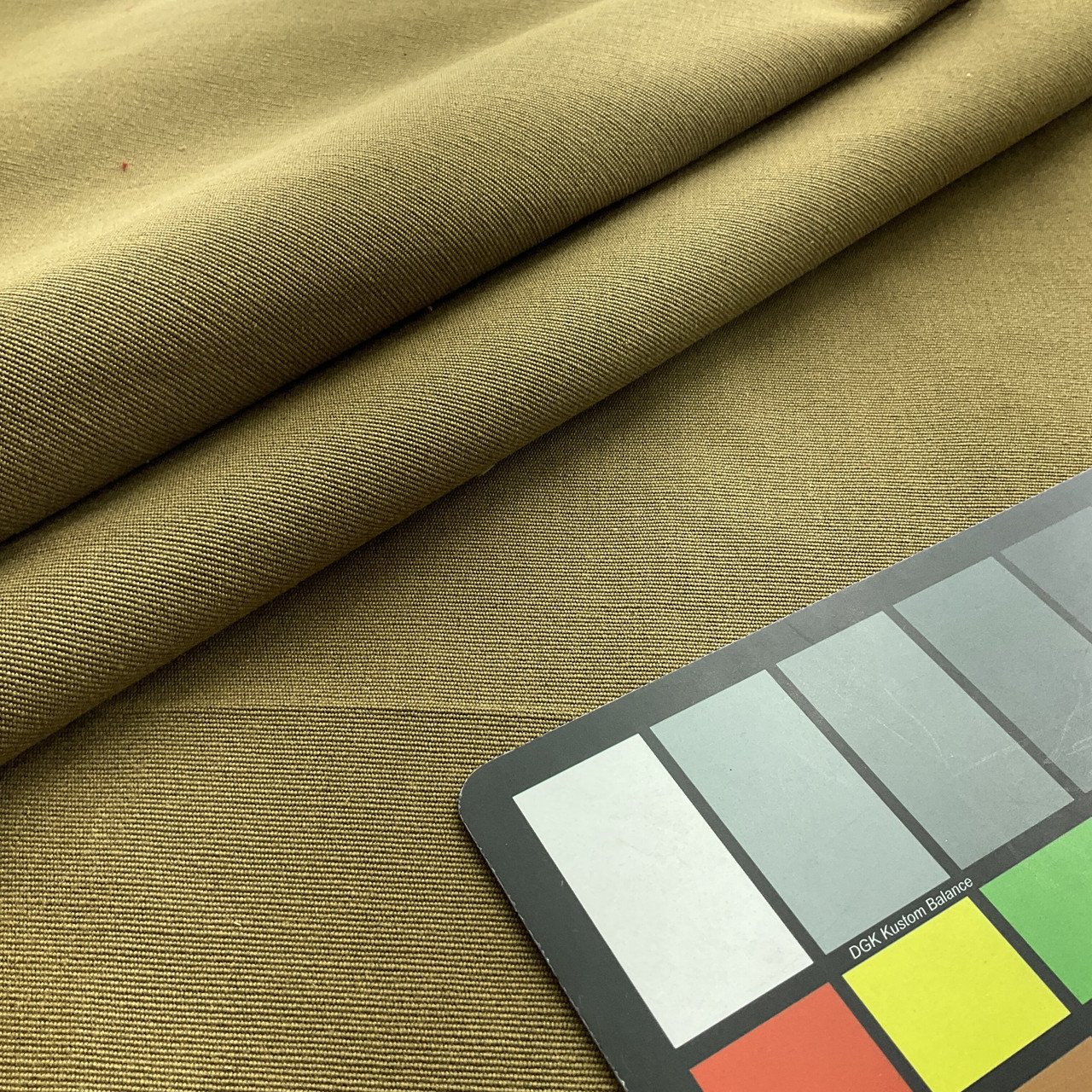
✔ Premium Materials
Patagonia uses:
- recycled nylon & polyester
- RDS-certified down
- Bluesign-approved fabrics
These materials cost more but last longer.
✔ Strong Construction Standards
From factory audits I’ve seen, Patagonia tests:
- seam strength
- waterproof membrane stability
- abrasion and pilling resistance
- long-term insulation recovery
✔ Ethical Manufacturing
Pay equity, traceable supply-chain data, and labor compliance all add cost — but improve reliability.
✔ Sustainability as a Core Value
Patagonia invests heavily in repair programs and circular systems, not just product launches.
Summary: You’re paying for quality + ethics + lifespan, not branding alone.
2. Patagonia vs Other Outdoor Brands
| Brand | Strengths | Price Level (Approx.) | Notes |
|---|---|---|---|
| Patagonia | Durability, sustainability, consistent QC | $150–$350 | Best all-around reliability |
| The North Face | Trend designs + performance tech | $120–$400 | More fashion-forward |
| Arc’teryx | Elite alpine performance | $300–$800 | Highest technical level |
| Columbia | Affordable outdoor gear | $50–$180 | Great value, more basic |
Takeaway:
Patagonia sits between “value outdoor” and “elite expedition gear”—making it dependable and cost-efficient over time.
3. Who Should Buy Patagonia (and Who Shouldn’t)
Choose Patagonia if:
- you want gear that lasts 5–10+ years
- you care about sustainability
- you prefer simple, functional designs
- you need trustworthy warmth or waterproofing
You may skip Patagonia if:
- you only hike occasionally
- you want fast-fashion streetwear looks
- you don’t need premium-level weather protection
Internal Link
Building your own performance-wear brand?
👉 https://fukigymwear.com
4. How Patagonia Holds Its Value
✔ Long Product Lifespan
Their jackets often stay functional far longer than mid-range competitors.
✔ Strong Resale Market
Patagonia pieces resell exceptionally well due to demand and durability.
✔ Repair-Friendly
Many components (zippers, toggles, panels) are designed for repair, not disposal.
✔ Low “Cost Per Use”
Patagonia may be pricey upfront, but cheaper long-term.
FAQs
Q1: Is Patagonia warmer than other brands?
Their insulation is highly efficient, but warmth varies by product type.
Q2: Why is Patagonia more expensive than Columbia?
Better materials, higher sustainability standards, and stricter QC.
Q3: Does Patagonia last long?
Yes — their gear often lasts several seasons, sometimes 10+ years.
Q4: Is Patagonia worth it for casual wear?
If durability matters to you, yes. Otherwise, lighter-use brands may be enough.
Related Links
- Patagonia Official: https://www.patagonia.com
- Patagonia Repair & Worn Wear: https://wornwear.patagonia.com
- Sustainable Sportswear Manufacturing: https://fukigymwear.com
