
As someone who has worked with outdoor-wear factories and performance fabric development, I often hear one simple question:
“Why is Patagonia so popular—and why do so many people trust it more than other outdoor brands?”
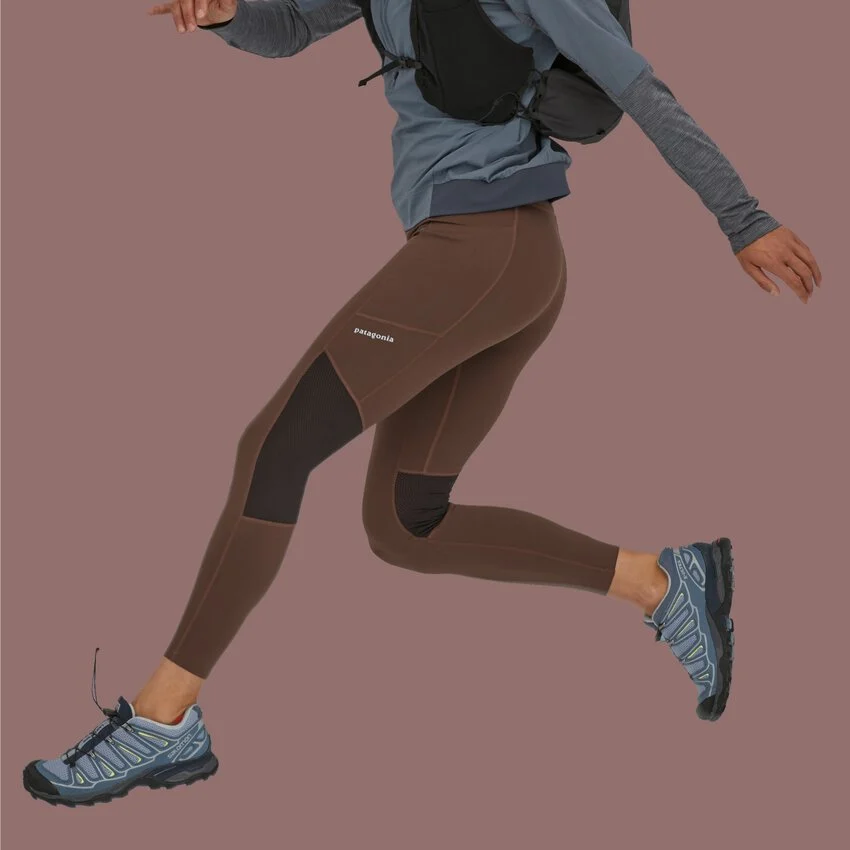
The answer goes beyond branding. Patagonia built its reputation through durability, functional design, environmental responsibility, and long-term reliability.
This guide explains why Patagonia stands out, what technologies power its gear, and how it compares with competitors like The North Face and Arc’teryx.
Table of Contents
- Quick Answer
- What Makes Patagonia Stand Out
- Key Technologies That Make Patagonia Effective
- Patagonia vs Other Outdoor Brands
- Who Patagonia Is Best For
- FAQs
- Related Links
Quick Answer
Patagonia is popular because it combines:
- exceptional durability
- proven technical performance
- industry-leading sustainability
- strong customer trust
Patagonia gear isn’t just outdoor clothing—it represents a lifestyle built around environmental values and reliable equipment.
External references
1. What Makes Patagonia Stand Out
From my experience working with softshell fabrics, insulation systems, and outdoor apparel factories, several factors consistently differentiate Patagonia.
✔ Rugged Durability
Patagonia products are designed for long-term outdoor use and undergo extensive field testing.
Their garments often feature:
- reinforced seams
- abrasion-resistant materials
- heavy-duty construction
✔ Honest Sustainability
Patagonia is widely recognized for its environmental leadership.
Key initiatives include:
- recycled materials
- reduced-water dyeing processes
- garment repair programs
- transparent supply chains
✔ Simple, Timeless Design
Unlike many fashion-driven brands, Patagonia focuses on functional designs that remain relevant for years.
This approach encourages longer product lifecycles.
✔ Ethical Brand Image
Patagonia’s environmental activism and transparent business practices have built strong customer trust and loyalty.
✔ Real Outdoor Comfort
Their garments prioritize lightweight construction, breathability, and layering performance, making them ideal for real outdoor environments.
2. Key Technologies That Make Patagonia Effective
Patagonia relies on tested material systems rather than marketing-driven technology hype.
| Technology | What It Does | Why It Matters |
|---|---|---|
| H2No® Waterproofing | Prevents rain penetration while allowing breathability | Ideal for wet hiking environments |
| Recycled Down / Synthetic Fill | Insulation made from recycled materials | Reduces environmental impact |
| Capilene® Base Layers | Moisture-wicking and odor control | Perfect for long outdoor activities |
| Nano Puff® Insulation | Lightweight synthetic insulation | Packs small and provides excellent warmth |
| Regenerative Organic Materials | Natural fiber sourcing with soil-health benefits | Builds strong eco-focused brand loyalty |
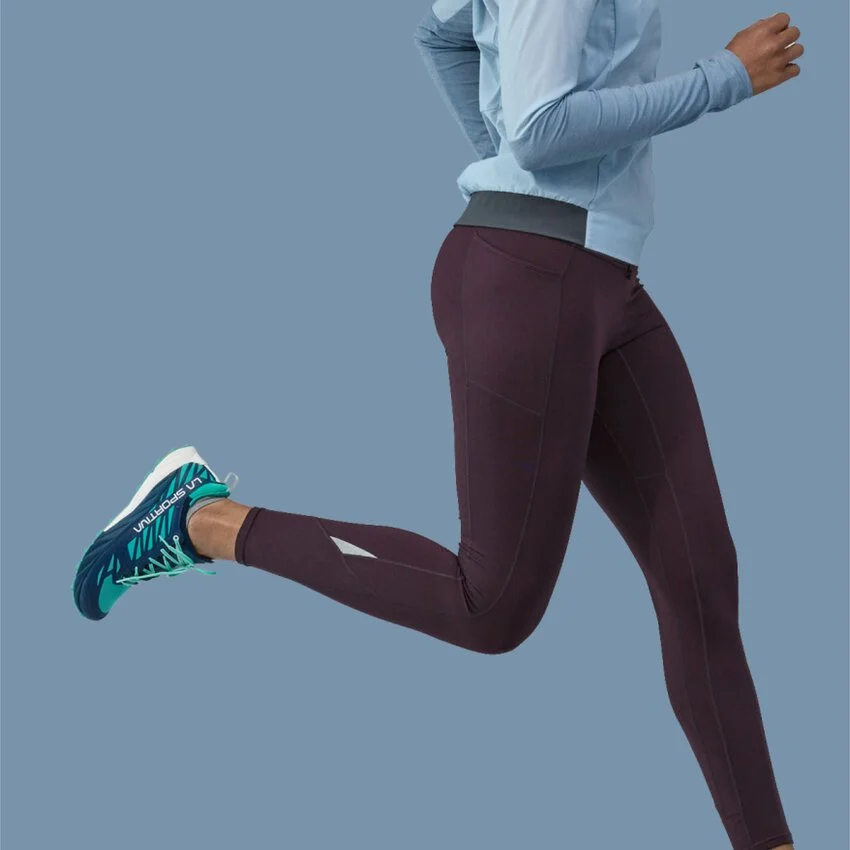
💡 OEM Insight: Patagonia’s reputation comes largely from rigorous material testing and long-term durability validation.
3. Patagonia vs Other Outdoor Brands
Patagonia competes with several major outdoor performance brands.
| Brand | Strength | Weakness |
|---|---|---|
| Patagonia | Sustainability, reliability, long lifespan | Higher pricing |
| The North Face | Trend appeal + wide range | Quality varies by product line |
| Arc’teryx | Elite technical performance | Much more expensive |
Key takeaway
- Patagonia: ethical, durable, dependable
- The North Face: mainstream outdoor lifestyle
- Arc’teryx: high-end alpine technical gear
4. Who Patagonia Is Best For
✔ Choose Patagonia if:
- you want long-lasting outdoor gear
- sustainability is important to you
- you prefer minimalist functional design
- you spend time hiking, traveling, or commuting outdoors
❌ Consider other brands if:
- you need extreme alpine technical gear → Arc’teryx
- you prefer fashion-forward outdoor clothing → The North Face
- you are looking for lower-budget alternatives
FAQs
Q1: Is Patagonia worth the price?
Yes. The brand’s durability and repair programs extend product lifespan significantly.
Q2: Are Patagonia jackets really warm?
Yes. Popular lines like Nano Puff® and Down Sweater offer excellent warmth-to-weight ratios.
Q3: Why do environmentally conscious consumers prefer Patagonia?
Because of the brand’s commitment to recycled materials, transparent sourcing, and environmental initiatives.
Q4: Is Patagonia a luxury brand?
Not exactly. Patagonia is considered a premium performance brand, not a luxury fashion label.
Related Links
- Patagonia Sustainability:Patagonia
- Patagonia Jacket Guide: Patagonia
- OEM & Performance Apparel Support: fukigymwear
