
As someone who works directly with OEM factories that produce performance apparel for global sports brands, I’m often asked:
“What actually makes Under Armour different from Nike, Adidas, or Puma?”
Here is a clear, beginner-friendly breakdown based on real manufacturing experience.
Table of Contents
- Quick Answer
- 1. Core Technologies That Define Under Armour
- 2. Fit Philosophy: Why UA Feels Different
- 3. Under Armour vs Other Sports Brands
- 4. Who Under Armour Is Best For
- FAQs
- Related Links
Quick Answer
Under Armour is different because it focuses on compression, moisture-management, training performance, and athlete-first design.
UA built its identity around technical base layers, not lifestyle fashion, which gives it a unique position in the sportswear industry.
External references:
- Official UA Site: https://www.underarmour.com/
- UA Wikipedia: https://en.wikipedia.org/wiki/Under_Armour
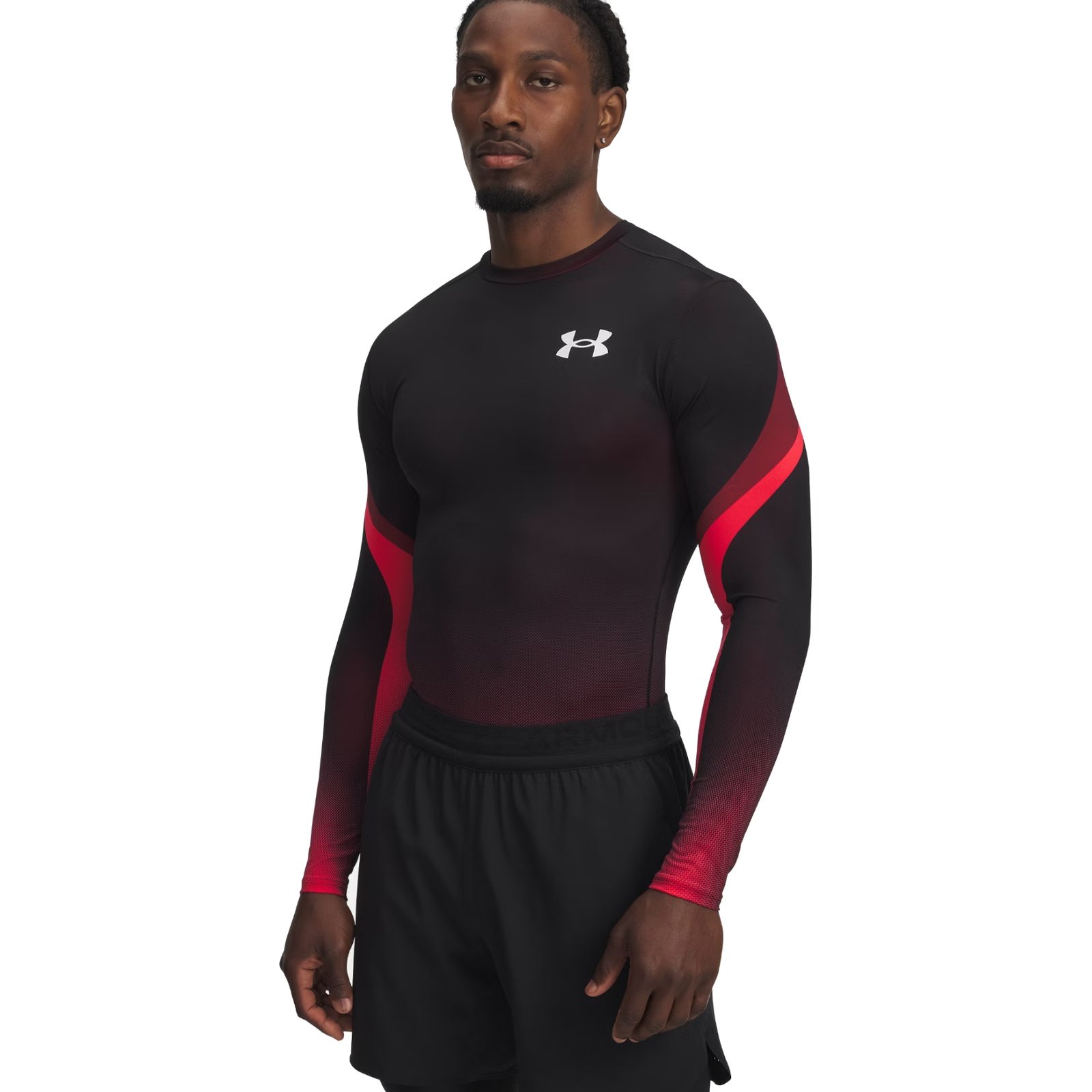
1. Core Technologies That Define Under Armour
✔ HeatGear®
Ultra-light, sweat-wicking fabric made for hot-weather training.
✔ ColdGear®
Dual-layer insulation that keeps warmth in while staying breathable.
✔ Compression Technology
A signature Under Armour strength — tighter, muscle-supportive, and performance-focused.
✔ UA RUSH™
Mineral-infused fabric meant to improve microcirculation during training.
✔ OEM Insight
When testing fabrics, I consistently see UA prioritizing performance output rather than softness or lifestyle comfort.
In other words:
Nike = style + performance
Adidas = comfort + lifestyle
Under Armour = pure performance
2. Fit Philosophy: Why UA Feels Different
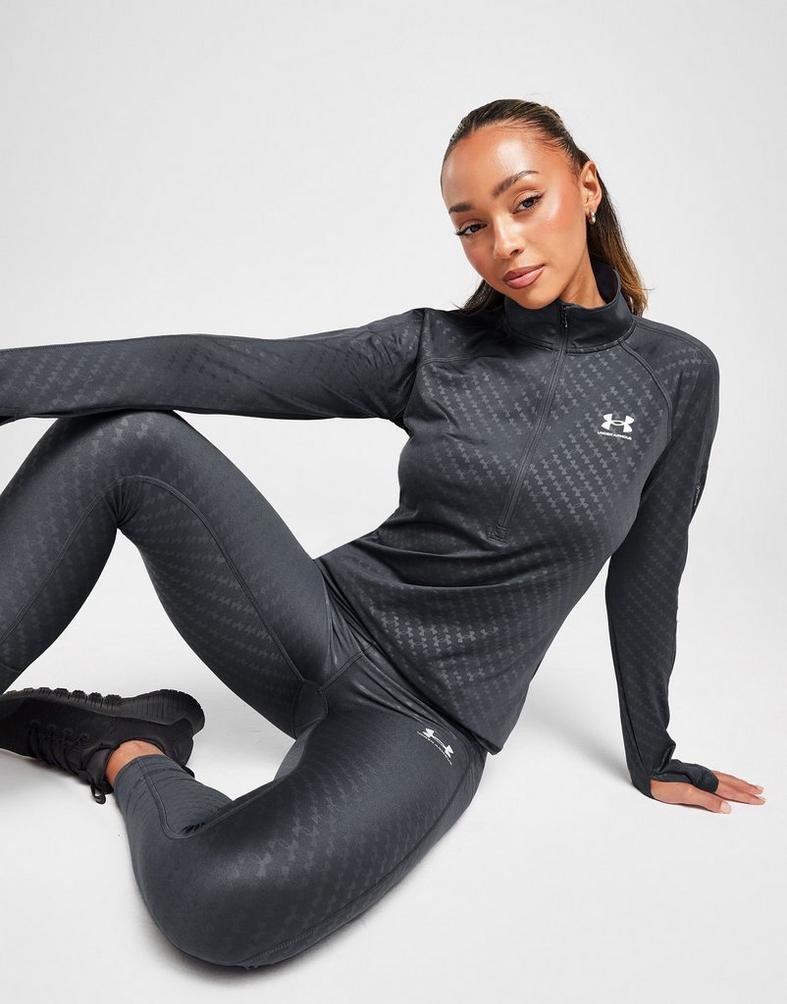
UA products often feel tighter, more athletic, and more compressive.
This is intentional — the brand designs for people who want muscle-stabilizing performance gear.
How Fit Differs From Competitors
| Brand | Fit Feel | Notes |
|---|---|---|
| Under Armour | Tighter / more compressive | Best for athletes & intense training |
| Nike | Slim but forgiving | Balanced between sport & lifestyle |
| Adidas | True to size / relaxed | More comfort-driven |
OEM Insight:
UA patterns tend to use narrower chest, waist, and sleeve grading — explaining why many people feel it “runs small.”
3. Under Armour vs Other Sports Brands
| Brand | Strength | Weakness |
|---|---|---|
| Under Armour | Elite compression, training tech, moisture control | Less lifestyle appeal |
| Nike | Global hype, best innovation marketing | Higher price points |
| Adidas | Comfort + casual wear | Less training-specific focus |
| Puma | Value, retro appeal | Smaller performance market share |
Key takeaway
Under Armour is the most training-focused brand out of the major players.
4. Who Under Armour Is Best For
Choose UA if you:
- prefer tight, athletic fits
- train in the gym frequently
- need moisture-wicking base layers
- want gear that prioritizes function over fashion
You may prefer another brand if:
- you want softer lifestyle fabrics
- you prefer relaxed fits
- you care more about streetwear styling than performance
Internal Link
If you're developing your own performance apparel line, here’s where to start:
👉 https://fukigymwear.com
FAQs
Q1: Why does Under Armour feel tight?
Because UA intentionally designs athletic compression for performance support.
Q2: Is Under Armour good quality?
Yes — especially for training gear where stitching, elasticity, and moisture control matter most.
Q3: Does Under Armour run small?
Compression items do. Standard fits are more true to size.
Q4: Is UA better for training than Nike or Adidas?
For pure training performance — often yes.
Related Links
- Official UA Site: https://www.underarmour.com/
- UA Wikipedia: https://en.wikipedia.org/wiki/Under_Armour
- Performance OEM Partner: https://fukigymwear.com
