
As someone who works with OEM factories that make performance apparel for global brands, I’ve always found Under Armour’s rapid rise fascinating. Many people ask:
“How did Under Armour grow so fast compared to older brands like Nike or Adidas?”
Here’s a clear, beginner-friendly breakdown.
Table of Contents
- Quick Answer
- 1. Innovation: The Moisture-Wicking Breakthrough
- 2. Strong Athlete-Driven Marketing
- 3. Clear Brand Positioning: Built for Performance
- 4. Smart Product Expansion
- 5. Under Armour vs Competitors
- 6. What New Brands Can Learn
- FAQs
- Related Links
Quick Answer
Under Armour grew fast because it offered something the market didn’t have at the time — moisture-wicking compression gear built for athletes. With aggressive athlete partnerships, strong performance positioning, and rapid category expansion, UA quickly became a major global brand.
External references:
- Under Armour Official: https://www.underarmour.com
- Company Profile: https://en.wikipedia.org/wiki/Under_Armour
1. Innovation: The Moisture-Wicking Breakthrough
From my OEM experience working with performance fabrics, UA’s early growth was driven by one key technology:
✔ HeatGear (and later ColdGear)
This fabric used advanced synthetic fibers that:
- wicked sweat faster
- dried quicker
- kept athletes cool
- fit like compression gear
At the time, competitors focused on cotton-based training apparel — UA offered a true performance upgrade.
OEM Insight:
The technology was genuinely ahead of the market in the early 2000s.
2. Strong Athlete-Driven Marketing
Under Armour built its identity on athlete-first credibility.
Key strategies:
- sponsorships with NFL, MLB, and college teams
- partnerships with stars like Michael Phelps, Steph Curry
- tough, motivational brand messaging (“Protect This House”)
This created a performance-first brand aura that resonated with competitive athletes.
3. Clear Brand Positioning: Built for Performance
UA positioned itself differently from Nike and Adidas:
| Brand | Positioning Style |
|---|---|
| Under Armour | Hardcore performance, compression, training |
| Nike | Inspirational, lifestyle + performance |
| Adidas | Fashion + comfort + sport |
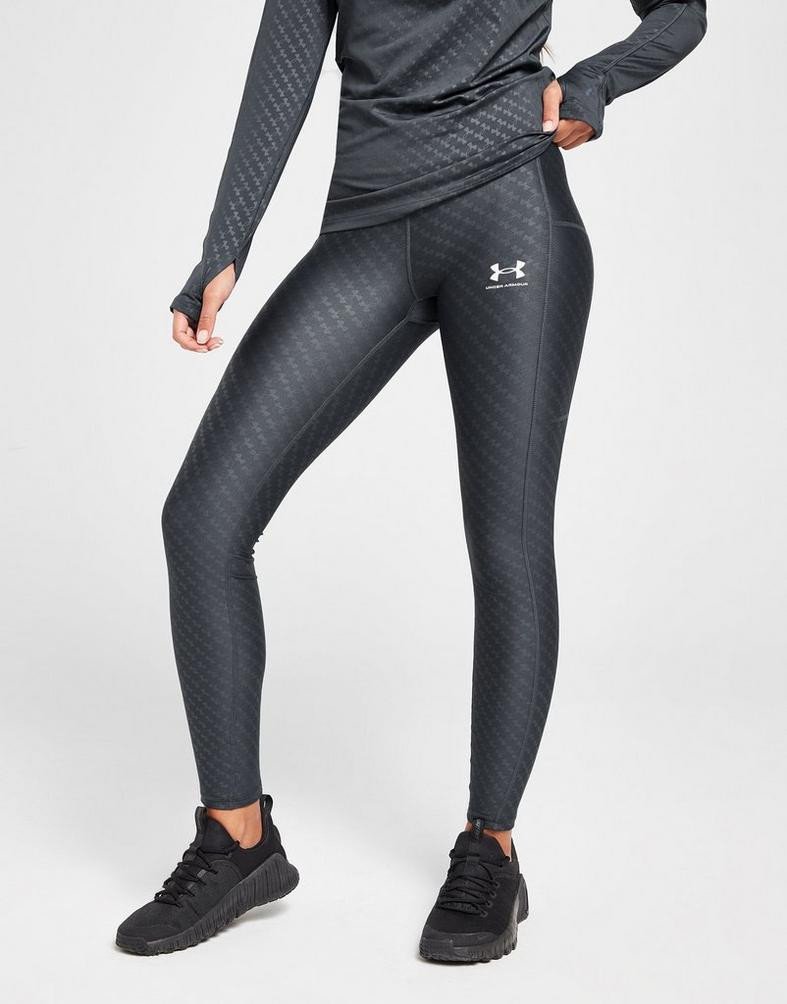
UA didn’t try to be everything — it focused on serious athletes, and the market loved the clarity.
4. Smart Product Expansion
After dominating compression tops, UA expanded quickly into:
- footwear
- training gear
- cold-weather apparel
- baselayers
- women’s performance wear
Each category carried the same promise: performance over fashion.
This created rapid revenue growth and strong brand recognition.
5. Under Armour vs Competitors
| Brand | Strength | Weakness |
|---|---|---|
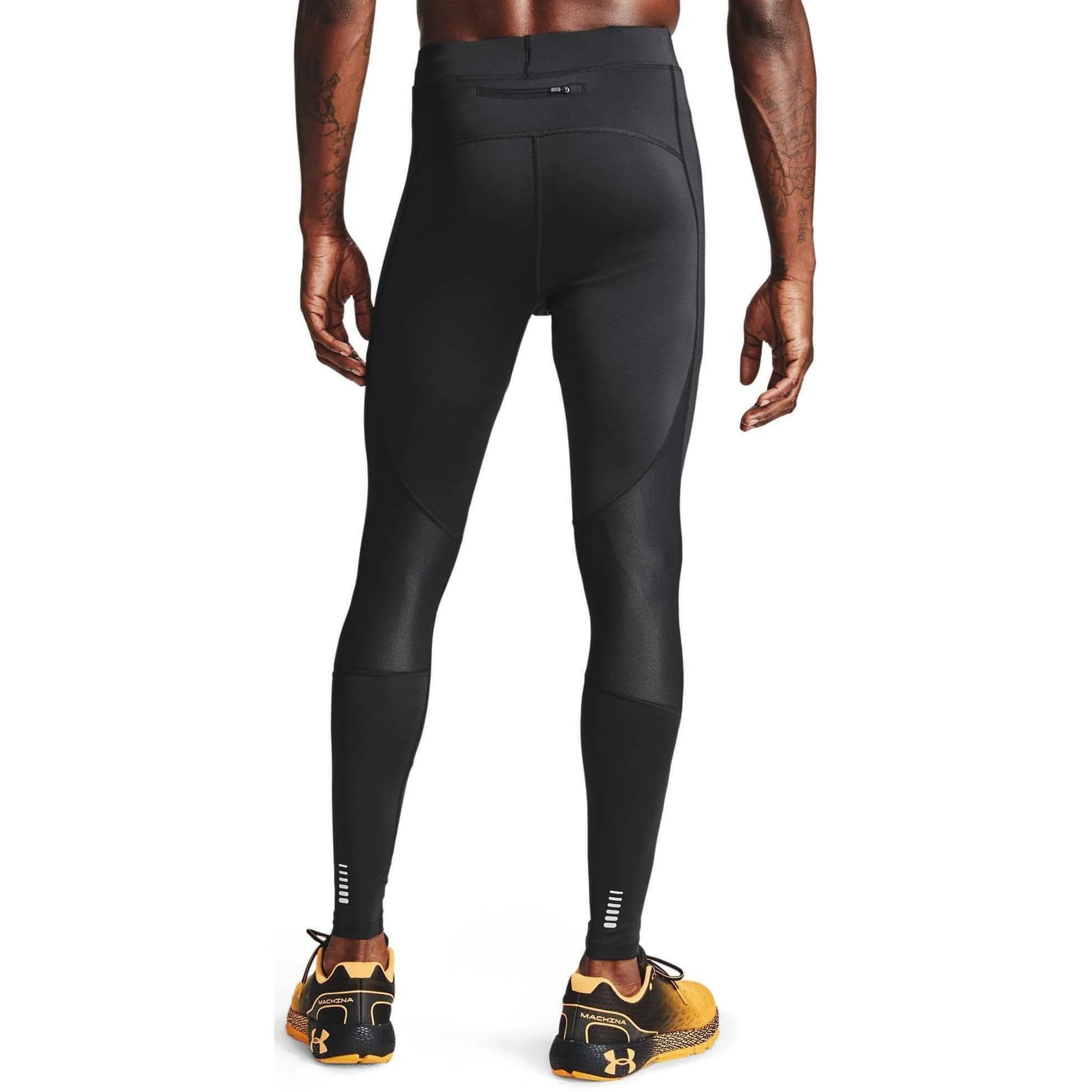
| Under Armour | Performance fabrics, compression tech | Fits small/tight, fewer lifestyle hits |
| Nike | Innovation + marketing | Higher prices |
| Adidas | Comfort + lifestyle appeal | Less performance-focused |
Key takeaway:
UA won early by staying laser-focused on athlete performance.
6. What New Brands Can Learn
Lesson 1: Lead with real innovation
UA’s product solved a problem no one else addressed.
Lesson 2: Build a clear identity
Performance first — simple, powerful positioning.
Lesson 3: Expand strategically
Grow categories after establishing product credibility.
Internal Link
If you want to build performance apparel with modern fabrics, start here:
👉 https://fukigymwear.com
FAQs
Q1: Did Under Armour grow fast because of its fabrics?
Yes — HeatGear changed the training apparel category.
Q2: Is Under Armour still growing quickly today?
Growth has slowed, but UA remains a strong performance brand.
Q3: What helped UA compete with Nike and Adidas?
A focused performance identity and athlete-backed marketing.
Q4: Who benefits most from UA products?
Athletes, gym-goers, and people who prefer technical performance gear.
Related Links
- Under Armour Official: https://www.underarmour.com
- HeatGear Technology: https://www.underarmour.com/en-us/c/technology/heatgear
- Performance OEM Supplier: https://fukigymwear.com
