
As someone who works directly with global sportswear OEM factories and has seen how major brands structure their production and pricing, this is one question I hear often:
“Why is Puma cheaper than Nike?”
The answer is clear once you understand their brand strategy, manufacturing choices, and product investment levels.
Here is a simple, beginner-friendly breakdown.
Table of Contents
- Quick Answer
- 1. Nike Spends More on Marketing and Athlete Sponsorships
- 2. Puma Focuses on ‘Affordable Premium’ Rather Than High-End Performance
- 3. Different R&D Investments (Nike Invests More in Technology)
- 4. Puma Uses More Cost-Efficient Manufacturing
- 5. Why Price Doesn’t Mean Low Quality
- Comparison Table: Puma vs Nike
- Which Brand Should You Choose?
- FAQs
- Related Links
Quick Answer
Puma is cheaper than Nike mainly because it positions itself as “affordable premium”, spends far less on athlete sponsorships, and uses more cost-efficient manufacturing.
Nike invests heavily in innovation, marketing, and performance tech — which raises retail prices.
External references:
- Puma Official: https://us.puma.com
- Nike Official: https://www.nike.com
1. Nike Spends More on Marketing and Athlete Sponsorships
From my OEM experience, Nike has one of the highest marketing budgets in the entire sportswear industry.
Nike invests heavily in:
- global athlete sponsorships (LeBron, Ronaldo, Kylian Mbappé, Serena Williams)
- Olympic sponsorships
- Super Bowl ads
- worldwide campaigns
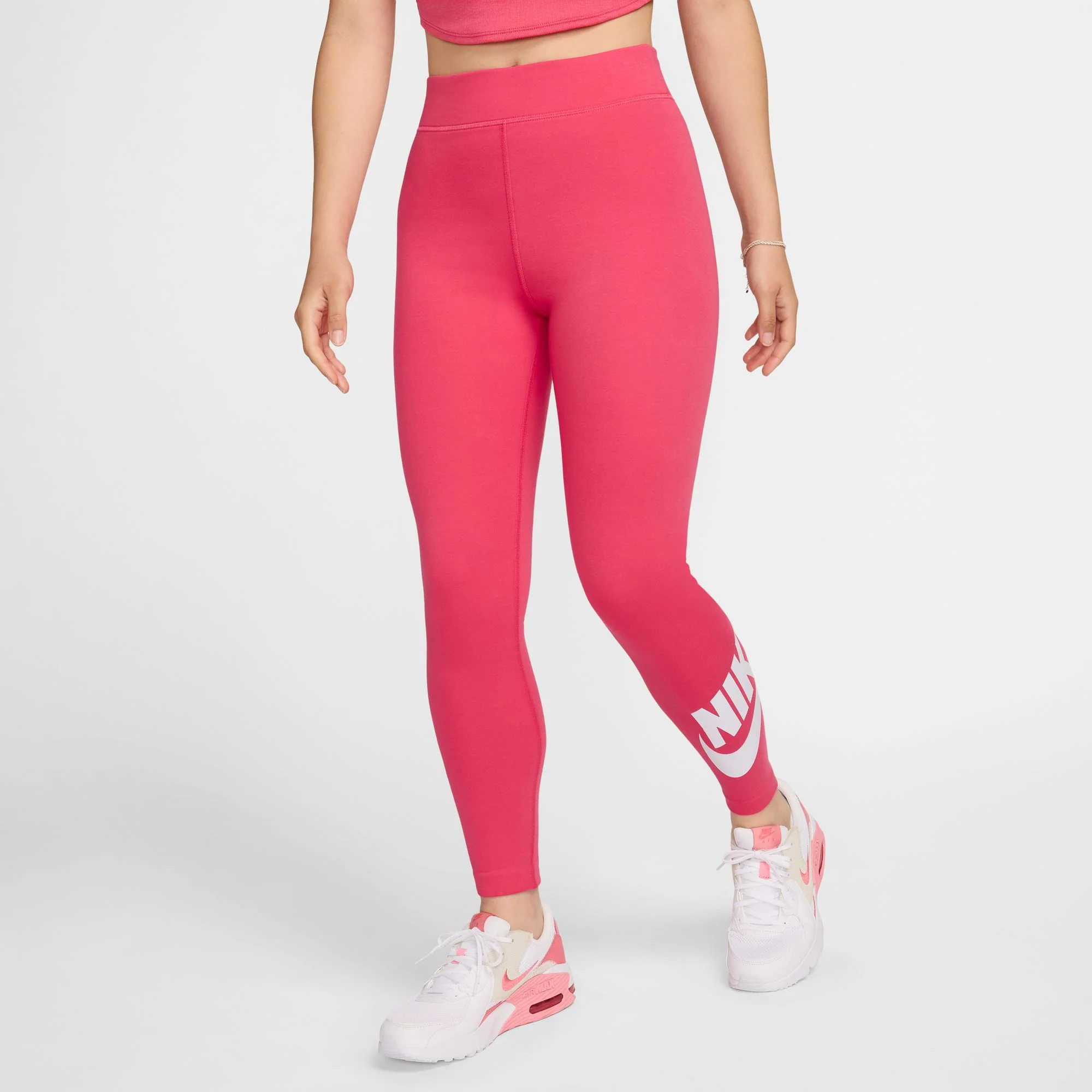
These costs are built into the retail price.
Puma, on the other hand:
- collaborates with fewer ultra-high-cost athletes
- focuses more on fashion/lifestyle collaborations
- avoids competing directly with Nike’s elite-level sponsorship spending
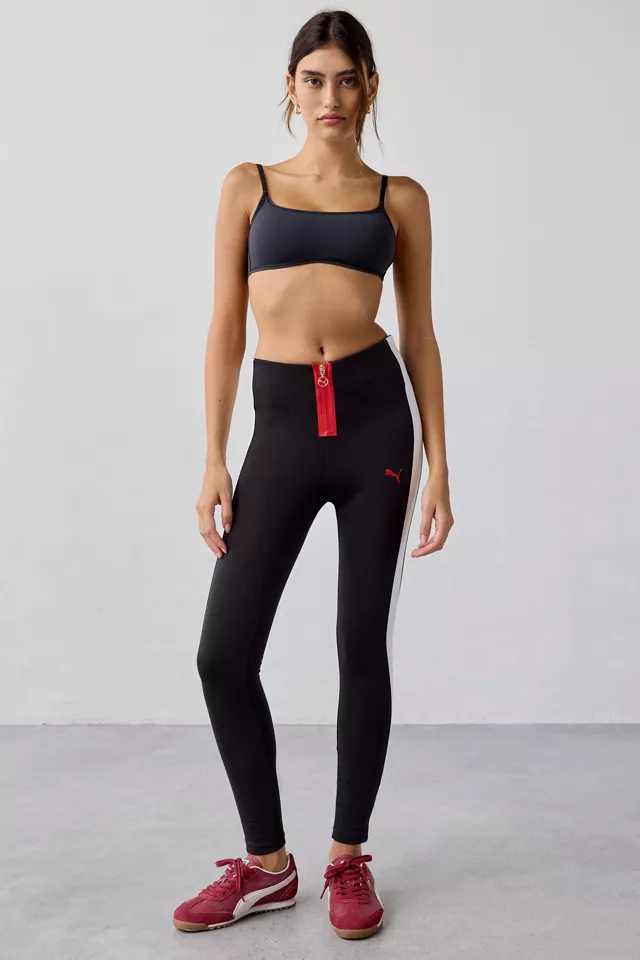
This significantly reduces Puma’s cost structure.
2. Puma Focuses on “Affordable Premium,” Not High-End Performance
Nike positions itself as:
- the global leader in performance
- the “tech innovation” brand
- the sports science brand
Puma positions itself as:
- stylish
- accessible
- lifestyle-friendly
- affordable premium
This deliberate strategy means Puma does not price like Nike because it is not trying to be Nike.
Puma’s strength:
It stays within price ranges consumers can justify.
Nike’s strength:
It sells the idea of “elite performance,” which allows higher pricing.
3. Different R&D Investments (Nike Invests More in Technology)
Nike invests far more in:
- cushioning systems (Air, Zoom, React, VaporFly carbon plates)
- performance running innovation
- material science
- biomechanical labs
These innovations cost millions to develop — and they drive retail prices up.
Puma invests in:
- stylish sneakers
- retro silhouettes
- general comfort and cushioning
- entry-level performance tech
Puma’s R&D investment is a fraction of Nike’s, resulting in lower manufacturing and retail costs.
4. Puma Uses More Cost-Efficient Manufacturing
From factories I’ve worked with, I’ve noticed clear differences:
Puma frequently produces in:
- Vietnam
- Indonesia
- Bangladesh
- Cambodia
These regions offer cost-effective large-scale production.
Nike also produces in Asia but:
- uses more advanced factories
- requires stricter testing
- maintains higher performance standards
- incorporates more proprietary technology
This higher level of engineering increases Nike’s cost-per-unit.
5. Why Price Doesn’t Mean Low Quality
Puma is cheaper, but that does not mean it is low quality.
Puma prioritizes:
- lifestyle
- comfort
- trend-driven design
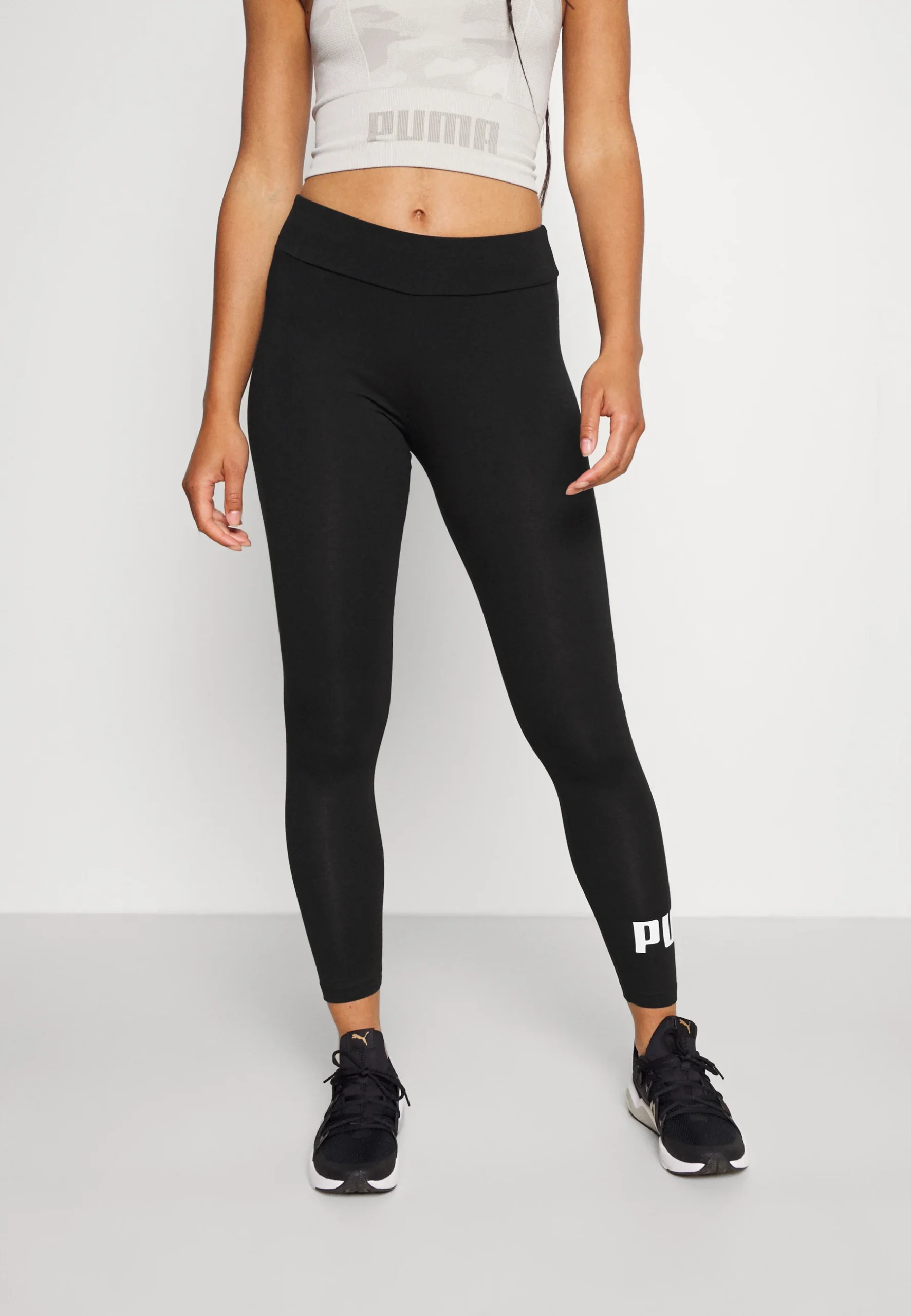
Nike prioritizes:
- elite performance
- high-tech running & basketball
- competition-level gear
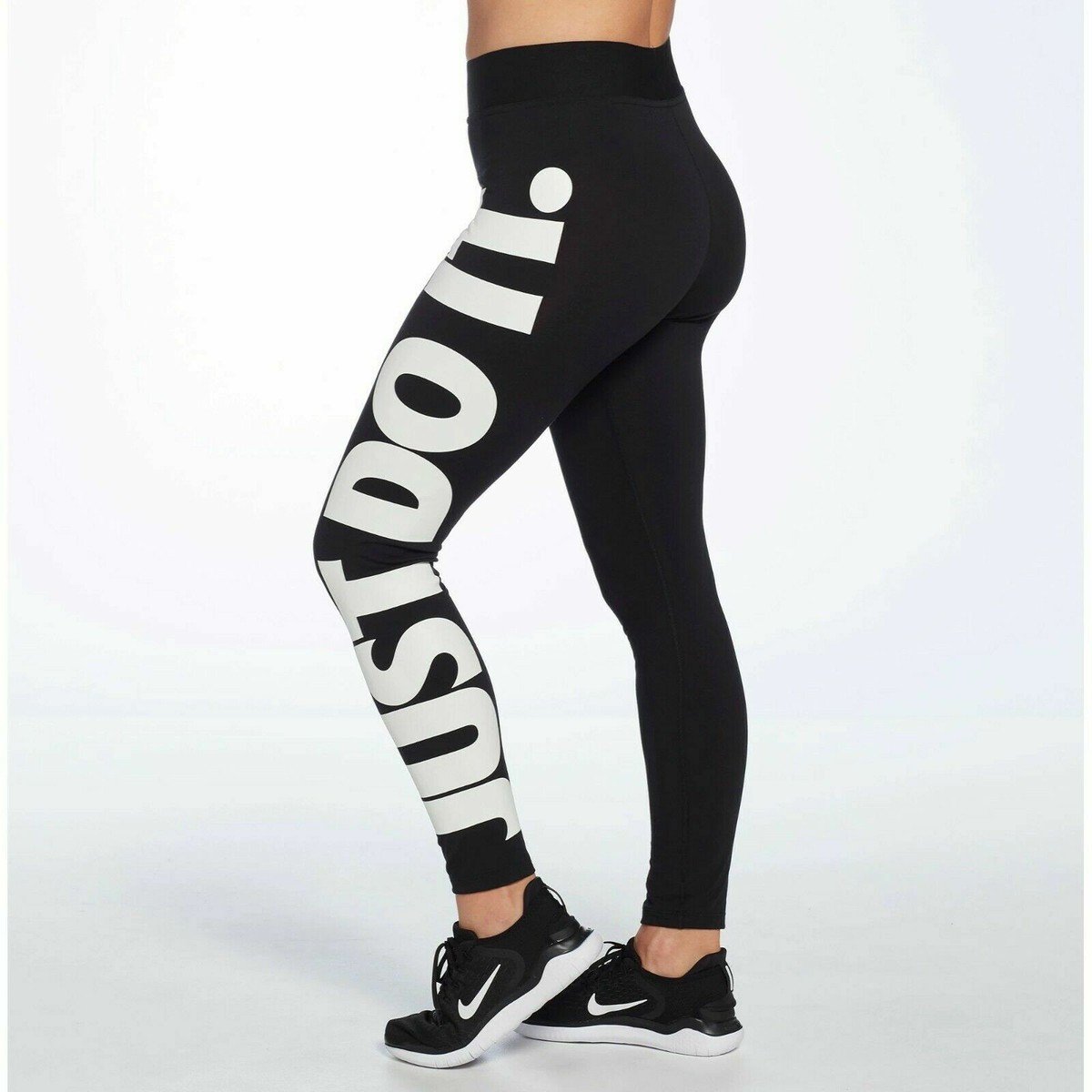
So the price difference reflects purpose, not poor quality.
Internal Link
If you want to develop your own sportswear line with a pricing strategy like Puma, start here:
👉 https://fukigymwear.com
Comparison Table: Puma vs Nike
| Category | Puma | Nike |
|---|---|---|
| Pricing | More affordable | Higher (due to tech & marketing) |
| Brand Position | Affordable premium | High-end performance |
| Tech Level | Moderate | Very high |
| Marketing Spend | Lower | Extremely high |
| Audience | Lifestyle + casual athletes | Performance-driven athletes |
| Style | Retro, trendy, accessible | Modern, athletic, innovation-first |
Which Brand Should You Choose?
Choose Puma if:
- you prefer affordable stylish sneakers
- you want comfort + lifestyle appeal
- you don’t need elite performance
- you love retro or trend-driven designs
Choose Nike if:
- you need advanced athletic performance
- you run long distances
- you play basketball/football professionally
- you prefer high-tech cushioning
Both brands have unique strengths.
FAQs
Q1: Is Puma lower quality than Nike?
No — Puma focuses on lifestyle; Nike focuses on high-tech performance.
Q2: Why are Puma sneakers cheaper?
Lower marketing costs + efficient manufacturing.
Q3: Does Nike last longer than Puma?
Performance models usually do, but lifestyle shoes are comparable.
Q4: Is Puma a good brand?
Yes — excellent value, comfortable, stylish.
Related Links
- Puma Official: https://us.puma.com
- Nike Official: https://www.nike.com
- Sportswear Manufacturing Partner: https://fukigymwear.com
