
Puma and Nike are two of the most globally recognized sportswear brands — but they serve athletes in very different ways. According to the Puma official site and Nike’s official website, the two companies differ in performance innovation, price strategy, fit consistency, and product specialization.
From my OEM manufacturing experience, Puma focuses on accessible performance, while Nike emphasizes high-tech athletic innovation.
This article explains the differences clearly, simply, and practically for anyone trying to choose between them.
Table of Contents
- Quick Answer
- 1. Puma vs. Nike: Brand Focus & Positioning
- 2. Performance & Technology Comparison
- 3. Apparel Fit, Comfort, and Design Philosophy
- 4. Price Comparison: Which Brand Offers Better Value?
- 5. What Type of Customer Each Brand Serves Better
- FAQs
- Partnering With FuKi Gymwear
Quick Answer
Puma offers accessible performance, comfort, and affordability, while Nike focuses on advanced athletic technology, elite-level innovation, and premium pricing.
Puma is great for everyday training, lifestyle comfort, and budget-friendly performance. Nike is ideal for serious athletes seeking top-tier cushioning, stability, and fabric innovation.
💬 From my OEM experience:
Nike’s engineering is more technology-heavy, while Puma excels at comfort-driven design and consistent value.
1. Puma vs. Nike: Brand Focus & Positioning
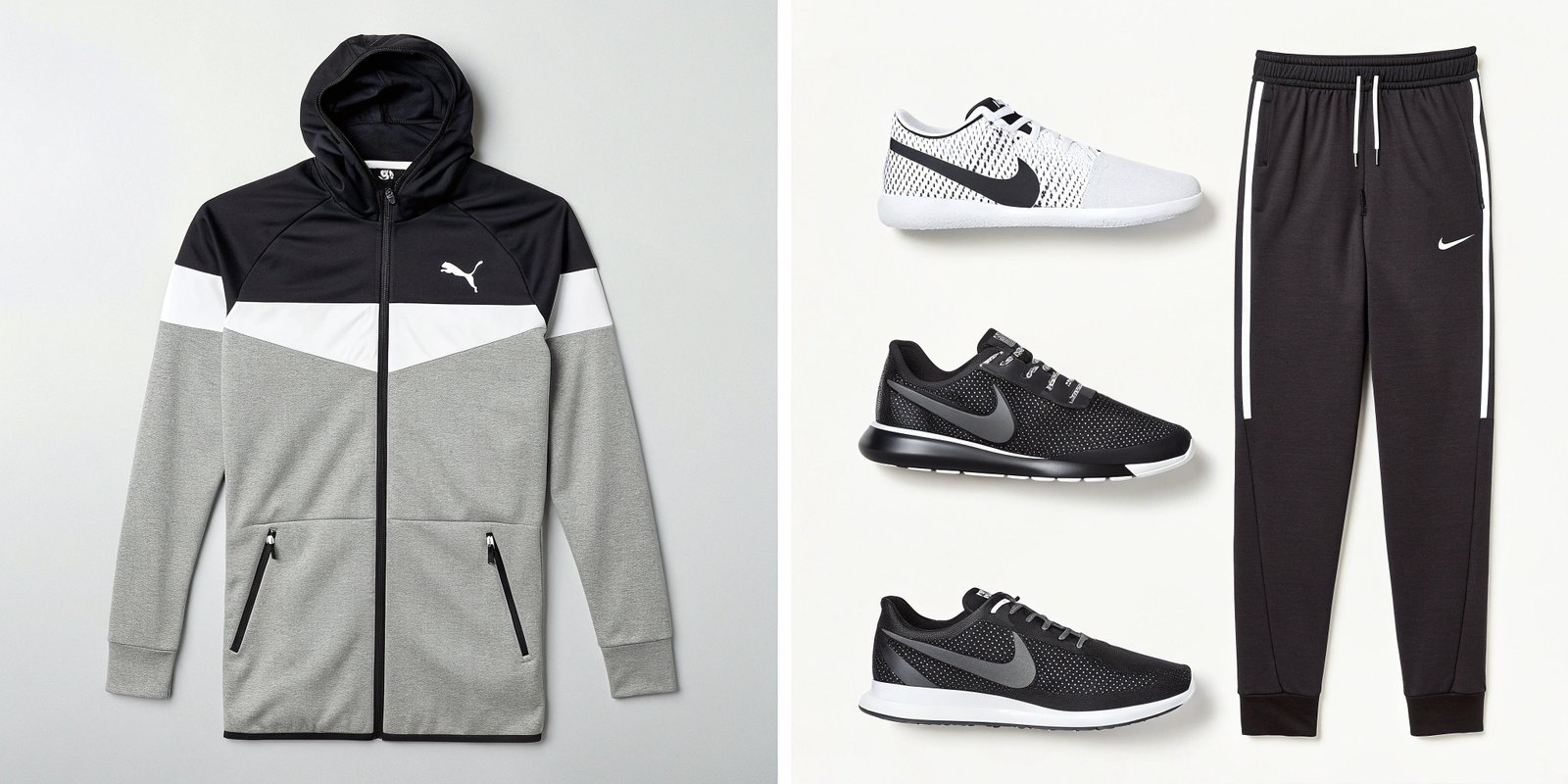
According to Puma’s Wikipedia page and Nike’s Wikipedia page, the companies have different brand identities.
Brand Positioning Comparison
| Brand | Core Identity | Strengths |
|---|---|---|
| Puma | Lifestyle + accessible performance | Comfort, value, versatility |
| Nike | Elite athletic innovation | Technology, performance, global reach |
What this means
- Puma appeals to casual gym users, students, and lifestyle-focused buyers.
- Nike appeals to competitive athletes and consumers who want premium performance.
OEM Insight
Nike’s patterns and materials are more complex, while Puma favors comfort-oriented construction and wide accessibility.
2. Performance & Technology Comparison
Nike invests heavily in proprietary technologies, while Puma uses reliable but more affordable solutions.
Key Technology Comparison
| Category | Puma | Nike |
|---|---|---|
| Running Cushioning | EVA-based, NitroFoam | Zoom Air, React, Air Max |
| Training Shoes | Balanced stability | Metcon, SuperRep (high-intensity design) |
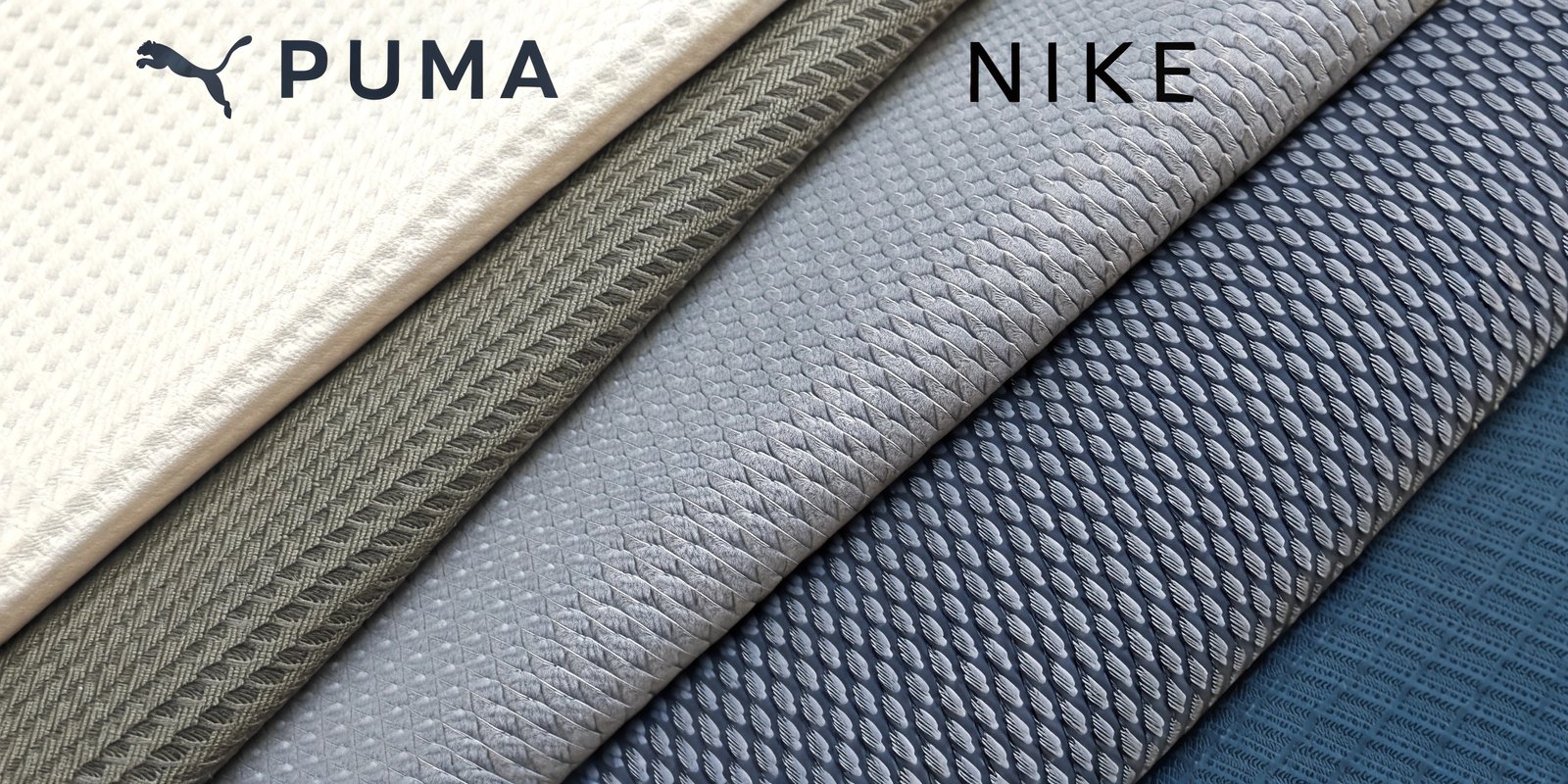
| Apparel Fabrics | DryCELL, CLOUDSPUN | Dri-FIT, AeroAdapt, Pro compression |
| Innovation Level | Moderate | High |
Product Links
- Puma Training Apparel (Women): https://us.puma.com/us/en/women/clothing/training
- Nike Women’s Training Apparel: https://www.nike.com/w/womens-training-clothing-6jv6x
OEM Insight
Nike’s innovation pipeline is unmatched, but Puma performs reliably for general training without the premium price tag.
3. Apparel Fit, Comfort, and Design Philosophy
One of the biggest differences is fit.
Fit Comparison
| Category | Puma | Nike |
|---|---|---|
| Overall Fit | True to size, comfortable | Athletic, fitted, sometimes tight |
| Leggings | Soft, flexible | High compression, performance-driven |
| Tops | Casual-athletic blend | Slim, sport-engineered |
| Shoes | Stable & comfortable | Performance-tuned, sometimes narrow |
Related Puma Apparel
- Leggings: https://us.puma.com/us/en/women/clothing/leggings
- Sports Bras: https://us.puma.com/us/en/women/clothing/sports-bras
Why this matters
- Puma = comfort-focused athletes or everyday wear
- Nike = intense training, running, and high-output performance
OEM Insight
Nike uses more compressive patterns; Puma uses more forgiving ease allowances.
4. Price Comparison: Which Brand Offers Better Value?
Puma is generally more affordable across most categories.
Price Overview
| Category | Puma (Avg.) | Nike (Avg.) |
|---|---|---|
| Training Leggings | $35–$60 | $55–$100 |
| Sports Bras | $25–$45 | $40–$70 |
| Running Shoes | $60–$120 | $90–$180 |
| Lifestyle Sneakers | $55–$90 | $70–$140 |
Summary
Puma provides better value, while Nike delivers higher innovation.
5. What Type of Customer Each Brand Serves Better
Puma is best for:
- everyday gym users
- students & budget-conscious shoppers
- lifestyle + training buyers
- users wanting comfort-first apparel
Nike is best for:
- athletes seeking high-performance gear
- serious runners or HIIT users
- buyers who value brand prestige & technology
- customers willing to pay for innovation
💬 Puma is practical; Nike is performance-driven.
FAQs
Q1: Is Puma or Nike better for the gym?
Nike for intense training; Puma for comfort-based workouts.
Q2: Are Puma shoes as durable as Nike shoes?
For casual training, yes. For elite running, Nike has more tech advantages.
Q3: Is Puma cheaper than Nike?
Yes — Puma is noticeably more affordable.
Q4: Which brand has better fit?
Puma fits true to size; Nike often fits athletic-tight.
Partnering With FuKi Gymwear
If you want to build activewear that balances comfort, performance, and affordability — like Puma or Nike — the right OEM partner is essential.
👉 FuKi Gymwear supports brands with:
- High-stretch leggings & trainingwear
- Compression fabrics inspired by Nike’s tech fit
- Comfortable lifestyle-performance blends
- Low MOQ for new brands
- Custom sampling + stability testing
💬 The strongest brands succeed by balancing comfort, performance, and smart pricing — and we help brands achieve that.
