
As sustainability becomes a major priority in activewear, many customers now ask:
“Is Puma actually investing in eco-friendly and recycled fabrics?”
According to sustainability statements on the Puma official website and reports referenced on Wikipedia, the brand has significantly increased its use of recycled polyester, Better Cotton, and low-impact materials across training and lifestyle apparel.
From my OEM manufacturing experience, Puma’s sustainability strategy is very structural — focusing on recycled yarns, long-lasting fabrics, better dyeing processes, and responsible sourcing.
This article breaks down what Puma is doing in sustainability in a simple, beginner-friendly way.
Table of Contents
- Quick Answer
- 1. Puma Uses Recycled Polyester Across Many Collections
- 2. Puma Supports Better Cotton and Responsible Sourcing
- 3. Low-Impact Dyeing and Reduced Water Usage
- 4. How Puma’s Eco-Fabrics Compare to Competitors
- 5. What New Activewear Brands Can Learn
- FAQs
- Partnering With FuKi Gymwear
Quick Answer
Yes — Puma is actively investing in sustainable fabrics. The brand now uses recycled polyester, responsibly sourced cotton, bio-based materials, and reduced-water dyeing technologies across many training and lifestyle collections.
💬 From my OEM experience:
Puma’s approach focuses on scalable, realistic sustainability, not PR-only claims — meaning real fiber changes, real supplier requirements, and measurable improvements.
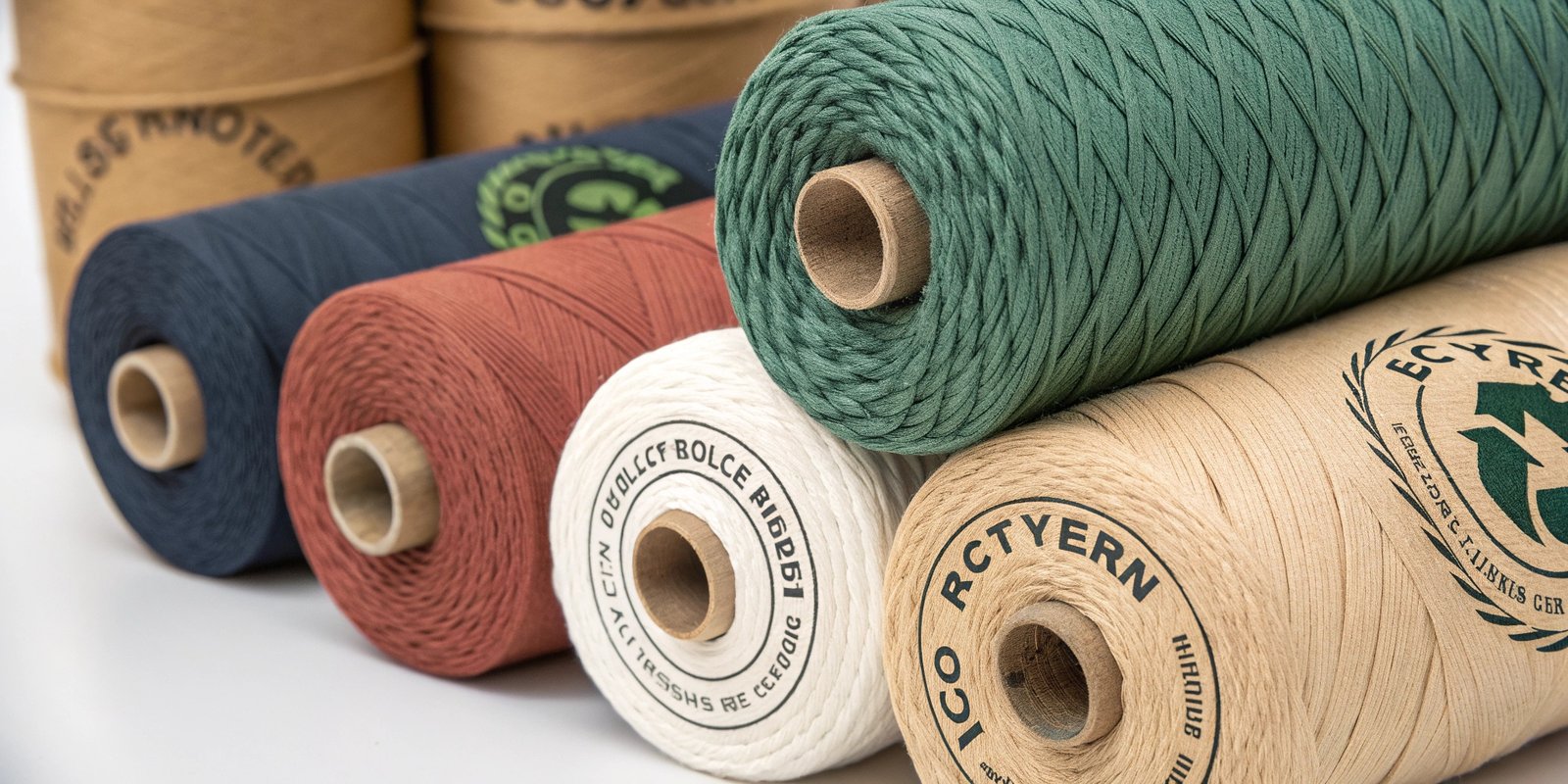
1. Puma Uses Recycled Polyester Across Many Collections
Puma has increased its use of recycled polyester (rPET) across:
- training leggings
- lightweight tees
- performance tops
- hoodies
- sports bras
Related Collection
Puma Training Apparel (Women):
https://us.puma.com/us/en/women/clothing/training
Why rPET matters:
- reduces plastic waste
- lowers energy use compared to virgin polyester
- offers similar durability & stretch
OEM Insight
Recycled polyester behaves beautifully in gym fabrics when knitted correctly — Puma uses mid–high gauge knitting for strength + softness.
2. Puma Supports Better Cotton and Responsible Sourcing
Puma is part of global programs ensuring cotton is grown with:
- less water
- fewer chemicals
- improved worker conditions
Product Categories Using Better Cotton:
- lifestyle tees
- relaxed hoodies
- everyday joggers
- casual tops
→ Explore Puma Lifestyle Apparel:
Women: https://us.puma.com/us/en/women/clothing/lifestyle
Men: https://us.puma.com/us/en/men/clothing/lifestyle
OEM Insight
Better Cotton is not organic cotton — but it is a major improvement for scalable, responsible sourcing.

3. Low-Impact Dyeing and Reduced Water Usage
Puma has invested heavily in reducing chemicals and water in the dyeing and finishing process.
Methods used include:
- dope-d dyeing (color added at fiber stage)
- water-saving dye processes
- less chemical finishing
- energy-efficient drying
Benefits:
- reduced wastewater
- brighter colorfastness
- lower energy use
- reduced garment impact
OEM Insight
Dyeing innovation is the real sustainability work — and Puma has pushed mills to adopt new systems.
4. How Puma’s Eco-Fabrics Compare to Competitors
Here’s a simple comparison:
| Brand | Recycled Polyester | Sustainable Cotton | Dyeing Innovation | Overall Sustainability Push |
|---|---|---|---|---|
| Puma | Strong | Strong | Good | Growing fast |
| Nike | Strong | Medium | Very strong | Mature |
| adidas | Very strong | Strong | Strong | Leading |
| Under Armour | Medium | Medium | Medium | Improving |
Summary
Puma is not yet the top leader — but they are moving fast and prioritizing scalable sustainable fabrics.
5. What New Activewear Brands Can Learn
Here are practical takeaways:
✔ Lesson 1: Start with recycled polyester
It’s affordable, durable, and ideal for gymwear.
✔ Lesson 2: Combine performance with sustainability
Consumers increasingly want both, not one or the other.
✔ Lesson 3: Work with certified mills
Fabric authenticity must be traceable.
✔ Lesson 4: Improve dyeing methods
This reduces cost, not just environmental impact.
✔ Lesson 5: Communicate sustainability clearly
Puma succeeds because they show data — not vague claims.
FAQs
Q1: Is Puma switching to fully sustainable materials?
Not fully, but recycled polyester is becoming a major component.
Q2: Are Puma’s eco-fabrics still durable?
Yes — rPET fabrics are comparable to virgin polyester when engineered well.
Q3: What is Puma’s most sustainable category?
Training and lifestyle apparel that uses recycled polyester or Better Cotton.
Q4: Do Puma’s sustainable products cost more?
Not always — Puma keeps prices accessible while upgrading materials.
Partnering With FuKi Gymwear
If you want to build sustainable activewear like Puma — using recycled materials, better cotton, or eco-friendly dyeing — the right OEM partner is essential.
👉 FuKi Gymwear supports brands with:
- rPET recycled polyester fabrics
- Better Cotton & organic cotton sourcing
- Low-impact dyeing solutions
- Performance blends with sustainability focus
- Low MOQ production for growing brands
- Full support from fabric development to bulk
💬 Sustainability becomes powerful when supported by real engineering — and we help brands achieve that.
