
Puma has remained a trusted name among athletes for decades — even as the performance market became dominated by giants like Nike and adidas.
According to the Puma official website and historical records on Wikipedia, athletes continue choosing Puma for a mix of performance innovation, trusted fit, comfort, and strong sport-specific partnerships.
From my experience working with OEM activewear factories, Puma succeeds because it focuses on real athletic needs, not just marketing slogans.
This article breaks down why athletes still choose Puma — in simple, beginner-friendly language.
Table of Contents
- Quick Answer
- 1. Puma Offers Lightweight, Functional Performance Gear
- 2. Puma Has Strong Athlete Partnerships in Key Sports
- 3. Comfort and Fit Are Prioritized Over Hype
- 4. Puma Supports Both Elite Athletes and Everyday Training
- 5. What New Activewear Brands Can Learn
- FAQs
- Partnering With FuKi Gymwear
Quick Answer
Athletes still choose Puma because its gear is lightweight, durable, comfortable, and performance-ready, backed by strong partnerships in running, football, motorsport, and training. Puma products are engineered for speed, mobility, and daily athletic use, not just aesthetics.
💬 From my OEM experience:
Athletes repeatedly choose brands that maintain fit consistency + reliable performance, and Puma excels at both.
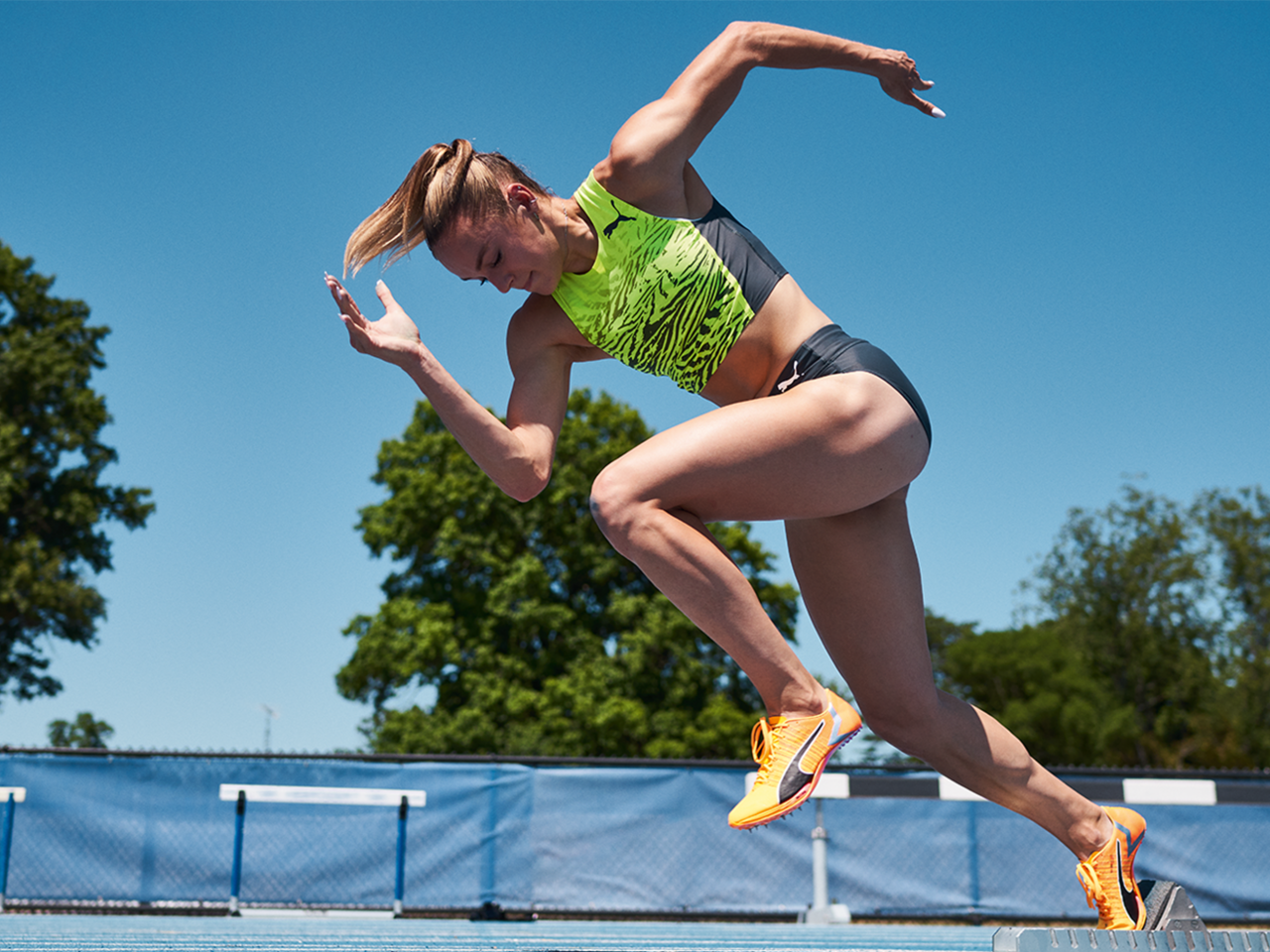
1. Puma Offers Lightweight, Functional Performance Gear
Athletes value gear that helps them move without restriction — and Puma focuses heavily on lightweight performance design.
Examples of performance-focused categories:
- Running apparel
→ Related: Puma Running Shoes - Compression training wear
→ Often includes high-stretch performance tops and shorts - Lightweight lifestyle-performance hybrids
- Breathable football kits & jerseys
What athletes appreciate:
- mesh ventilation
- moisture-wicking materials
- flexible movement panels
- stable compression
- fast-dry finishes
OEM Insight
Lightweight activewear requires:
- correct yarn weight
- precise knitting tension
- moisture-management finishing
- consistent colorfastness
These are areas Puma invests in heavily.
2. Puma Has Strong Athlete Partnerships in Key Sports
Athlete trust often comes from real-world endorsement — not ads.
Puma has long-standing partnerships in:
⚽ Football (Soccer)
- top European teams
- global athletes
- high-visibility match kits
🏃 Running
- performance running shoes
- functional running apparel
→ Related: Puma Women’s Training Apparel
🎽 Track & Field
- heritage linked to iconic athletes
🏎 Motorsport
- Ferrari
- Mercedes-AMG collaborations
Why this matters
Athletes trust Puma because:
- the products are tested in elite environments
- feedback loops shape future designs
- the brand invests in long-term sport innovation
💬 Real athletes = real testing = real reliability.

3. Comfort and Fit Are Prioritized Over Hype
Puma focuses on comfort first — which is why athletes return to it consistently.
Fit qualities Puma is known for:
- flexible knit construction
- compression without discomfort
- breathable fabric structure
- forgiving stretch for mobility
- consistent sizing across collections
Some of the most popular fit-dependent categories include:
- Leggings:
→ Puma Women’s Leggings - Sports Bras:
→ Puma Sports Bras - Training Tops:
→ Puma Women’s Training Tops
OEM Insight
Fit consistency is one of the hardest things for new brands — Puma’s decades of pattern development give it a major advantage.
4. Puma Supports Both Elite Athletes and Everyday Training
One unique advantage Puma has is its ability to serve multiple athlete levels:
For professionals:
- aerodynamic fabrics
- performance footwear
- precision construction
- durability under high-intensity use
For everyday athletes:
- accessible pricing
- comfortable materials
- strong durability
- versatile training apparel
→ Puma Women’s Training Apparel
Why this matters
This dual focus allows Puma to dominate across:
- fitness beginners
- recreational athletes
- professional competitors
💬 Broad athlete appeal = strong long-term growth.
5. What New Activewear Brands Can Learn
Here are the most practical lessons modern brands can apply:
✔ Lesson 1: Make comfort a priority
Athletes stick with brands that feel good every day — not only on hard training days.
✔ Lesson 2: Build performance + style into the same product
This expands your customer base beyond purely professional athletes.
✔ Lesson 3: Partner with creators or local athletes
You don’t need celebrities — real athletes build stronger trust.
✔ Lesson 4: Offer accessible price tiers
Puma succeeds partially because it avoids extreme pricing.
✔ Lesson 5: Test your apparel in real training
Athletes only trust apparel that survives real workouts.
FAQs
Q1: Is Puma still considered a performance brand?
Yes — especially in running, football, and motorsport.
Q2: Are Puma shoes still used by professional athletes?
Absolutely. Many elite athletes train and compete in Puma footwear.
Q3: Is Puma more about fashion or performance?
It balances both, which is why it appeals to athletes and lifestyle consumers.
Q4: Why do athletes choose Puma over Nike or adidas?
Comfort, value, and fit consistency — plus strong sport partnerships.
Partnering With FuKi Gymwear
If you want to create athlete-approved activewear with reliable performance and great comfort — the right OEM partner is essential.
👉 FuKi Gymwear supports brands with:
- High-stretch leggings & trainingwear
- Performance fabrics for athletes
- Sports bra & seamless production
- Low MOQs for new founders
- Fast sampling & quality testing
💬 Athletes choose reliable gear — and we help brands build products they can trust.
