
Under Armour was once defined entirely by performance—compression tops, base layers, and athlete-driven gear. But over the last decade, the brand has expanded into lifestyle, everyday comfort, and casual athletic apparel, aiming to reach a broader audience beyond competitive sports.
As someone working closely with OEM activewear factories, I’m often asked:
“Why did Under Armour move into lifestyle—and what does this shift mean for new brands?”
This article explains the transition in simple, beginner-friendly language.
Table of Contents
- Quick Answer
- The Performance-Only Market Became Too Narrow
- Athleisure Demand Grew Faster Than Pro-Sport Apparel
- Under Armour Needed New Fabrics Beyond Compression
- The Brand Shifted Strategy to Remain Competitive
- What New Activewear Brands Can Learn
- FAQs
- Partnering With FuKi Gymwear
Quick Answer
Under Armour shifted from sport to lifestyle because the performance-only market began to plateau, athleisure became mainstream, and consumers wanted comfort-based everyday wear—not just training gear.
The change wasn’t about abandoning athletes—it was about expanding relevance.
💬 From my OEM experience:
Brands grow fastest when they add lifestyle segments without losing technical credibility.
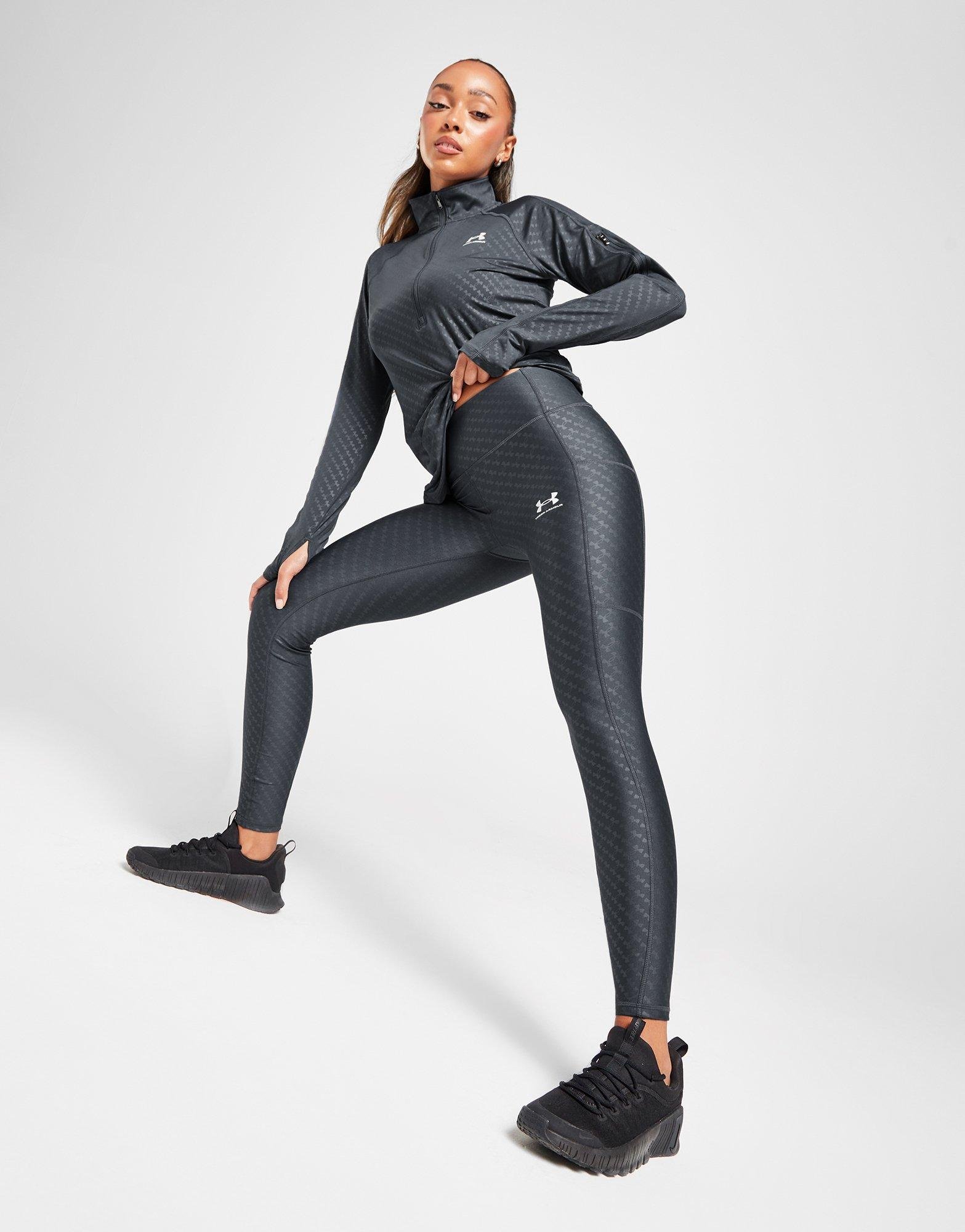
1. The Performance-Only Market Became Too Narrow
Under Armour originally targeted:
- football athletes
- strength training
- high-intensity performance
But this audience represents a limited segment.
Why the category plateaued
- fewer new customers entering pro-style sports
- increased competition from Nike & Adidas
- market saturation in compression apparel
- consumer shift toward versatile clothing
OEM Insight
Performance alone is not enough to scale—brands must expand usage occasions to grow.
2. Athleisure Demand Grew Faster Than Pro-Sport Apparel
Athleisure became the biggest apparel shift of the decade.
What consumers wanted:
- comfort
- soft fabrics
- everyday wearability
- relaxed silhouettes
- casual styling
Market comparison
| Category | Growth Trend |
|---|---|
| Pro-performance apparel | Slower, niche-focused |
| Athleisure & lifestyle | Fast, mainstream |
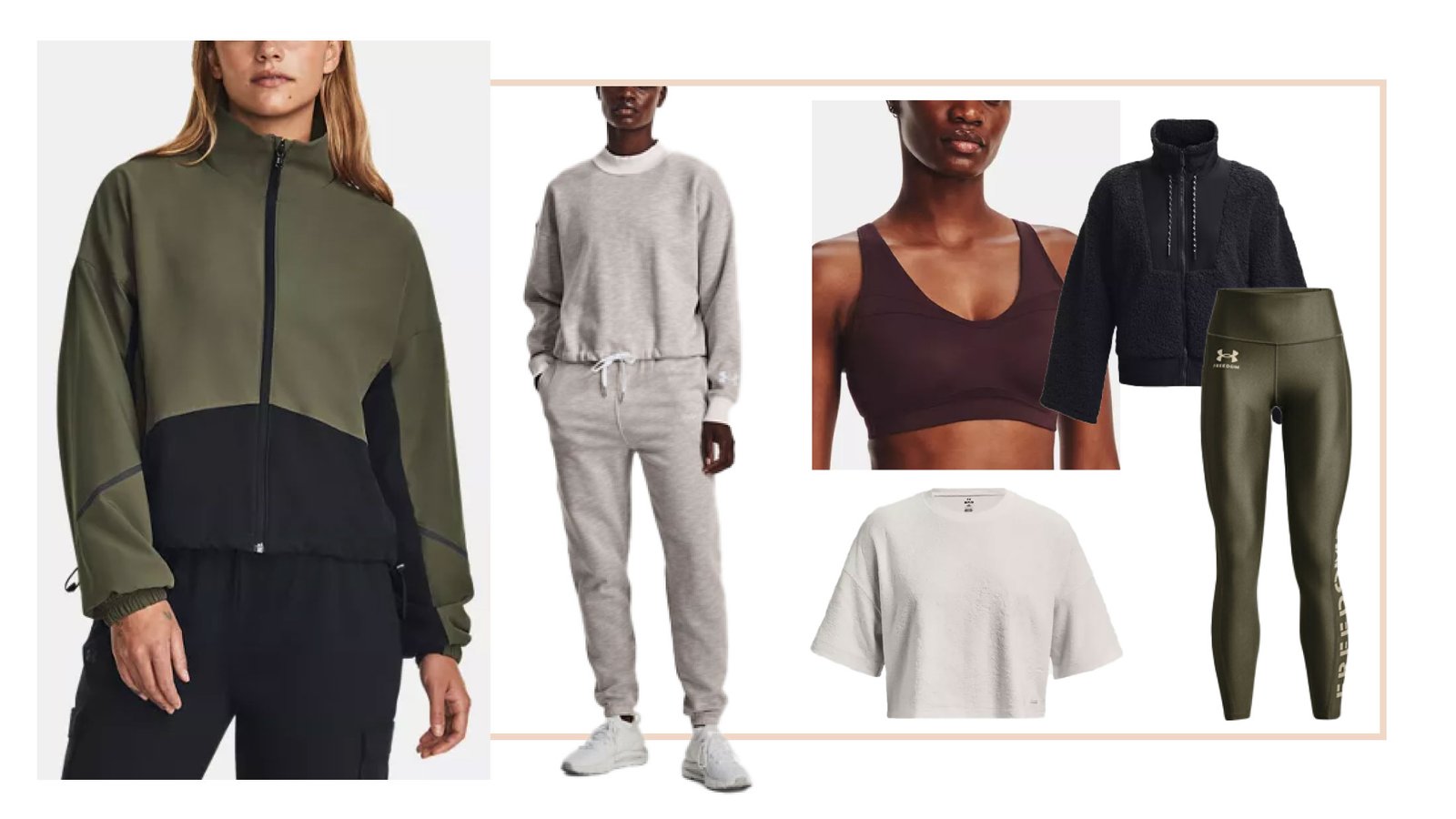
💬 Under Armour shifted because demand moved—customers led the change.
3. Under Armour Needed New Fabrics Beyond Compression
Compression was the brand’s identity—but lifestyle apparel required new fabric engineering.
New fabric directions
- brushed fleece
- cotton-blend comfort knits
- soft terry and jersey
- lightweight everyday stretch
- relaxed-fit woven joggers
Why this matters
Lifestyle products prioritize:
- comfort over tight support
- breathability
- softness
- natural drape
OEM Perspective
Factories specializing only in compression cannot support lifestyle expansion without material diversification.
4. The Brand Shifted Strategy to Remain Competitive
The shift wasn’t a loss—it was a strategic recalibration.
Strategic adjustments
- refining product assortment
- targeting everyday consumers
- balancing sport with lifestyle
- focusing on profitability over scale
- strengthening brand identity
Why it makes sense now
Today’s apparel market rewards:
- versatility
- comfort-driven design
- balanced product categories
- long-term relevance
💬 Stability and clarity are sometimes smarter than aggressive expansion.
5. What New Activewear Brands Can Learn
✔ Lesson 1: Start with clarity—then expand
Master one category before adding lifestyle.
✔ Lesson 2: Follow demand, not competitors
Consumers—not trends—determine timing.
✔ Lesson 3: Build new fabrics for new purposes
Lifestyle requires:
- softer blends
- comfort knits
- relaxed patterns
Not just performance replication.
✔ Lesson 4: Keep your core identity intact
Expansion should add, not replace.
✔ Lesson 5: Grow through adjacent categories
Example path:
Yoga → Training
Training → Lifestyle
Lifestyle → Everyday performance
This is how long-term brands scale.
FAQs
Q1: Did Under Armour stop being a performance brand?
No — it expanded into lifestyle while keeping performance as its foundation.
Q2: Was the shift caused by declining sales?
Partially, but mostly due to evolving consumer behavior.
Q3: Can small brands add lifestyle products early?
Only after building a strong core category.
Q4: Is lifestyle more profitable than performance?
Often yes—because the audience is larger and purchase frequency is higher.
Partnering With FuKi Gymwear
If you want to expand from performance into lifestyle—without losing technical credibility—choosing the right manufacturing partner is essential.
👉 FuKi Gymwear supports brands with:
- performance + lifestyle fabric development
- soft brushed fleece and comfort knits
- low MOQ for new category expansion
- fast sampling for market testing
- support for both training and everyday apparel
💬 The strongest brands grow by adding new usage occasions, not by replacing what already works.
