
Under Armour became known for performance gear — but its biggest long-term impact has come from compression and recovery-focused apparel, not just standard training wear.
As someone working closely with performance-wear OEM factories, I’m often asked:
“Why does Under Armour still invest so heavily in compression — and what makes it different from regular activewear?”
This article explains the answer in clear, beginner-friendly language.
Table of Contents
- Quick Answer
- 1. Compression Supports Muscle Stability During High-Intensity Training
- 2. Recovery Wear Helps Reduce Fatigue and Post-Workout Strain
- 3. Compression Requires Higher Engineering Than Standard Activewear
- 4. Why Under Armour Focuses on Science Over Aesthetics
- 5. What Performance Brands and OEMs Should Learn
- FAQs
- Partnering With FuKi Gymwear
Quick Answer
Under Armour emphasizes compression and recovery wear because it improves muscle stability, reduces fatigue, supports post-training recovery, and reinforces its identity as a performance-first brand, not a lifestyle label.
💬 From my OEM experience:
Compression isn’t about tight clothing — it’s about controlled pressure, consistency, and engineered fit.
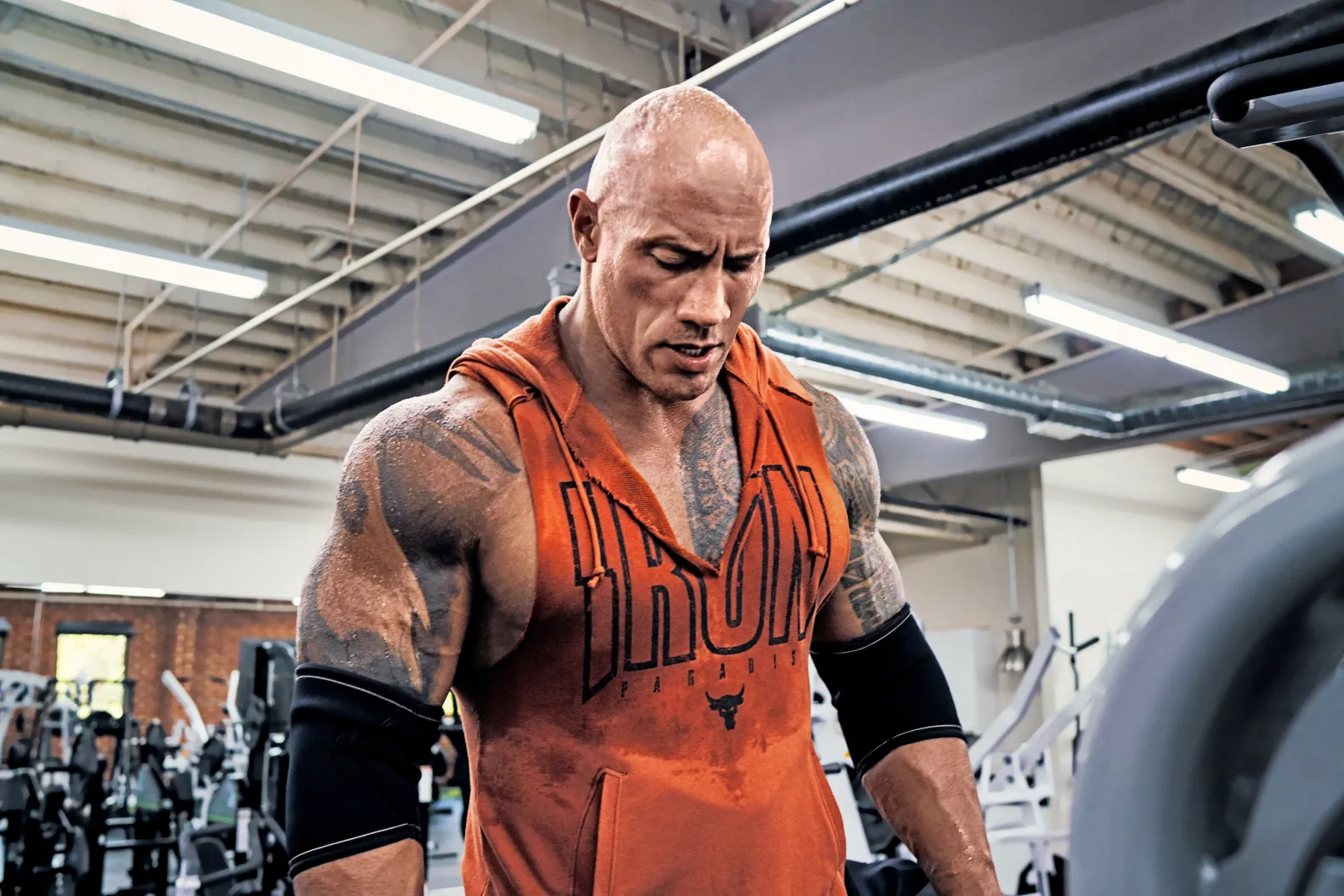
1. Compression Supports Muscle Stability During High-Intensity Training
Compression wear reduces unnecessary muscle movement during exercise.
Key benefits include:
- improved stability during explosive movement
- reduced vibration and strain
- better blood circulation
- enhanced body awareness and control
Why Under Armour built around this
The brand originally focused on:
- football
- team sports
- strength and conditioning
These athletes need supportive base layers, not just stretchy fabric.
OEM Insight
Compression performance depends on:
- yarn elasticity
- knitting density
- pattern precision
Not all factories can produce this consistently.
2. Recovery Wear Helps Reduce Fatigue and Post-Workout Strain
Compression isn’t only for training — it also supports post-session recovery.
Why recovery matters:
- reduces swelling
- supports blood flow
- eases muscle tightness
- speeds up recovery cycles
Difference between training vs recovery compression
| Training Compression | Recovery Compression |
|---|---|
| Focuses on muscle stability | Focuses on circulation support |
| Worn during activity | Worn after activity |
| Higher stretch tolerance | More controlled pressure |
| Supports performance | Supports repair |
💬 Recovery wear is now a growth segment for performance brands.
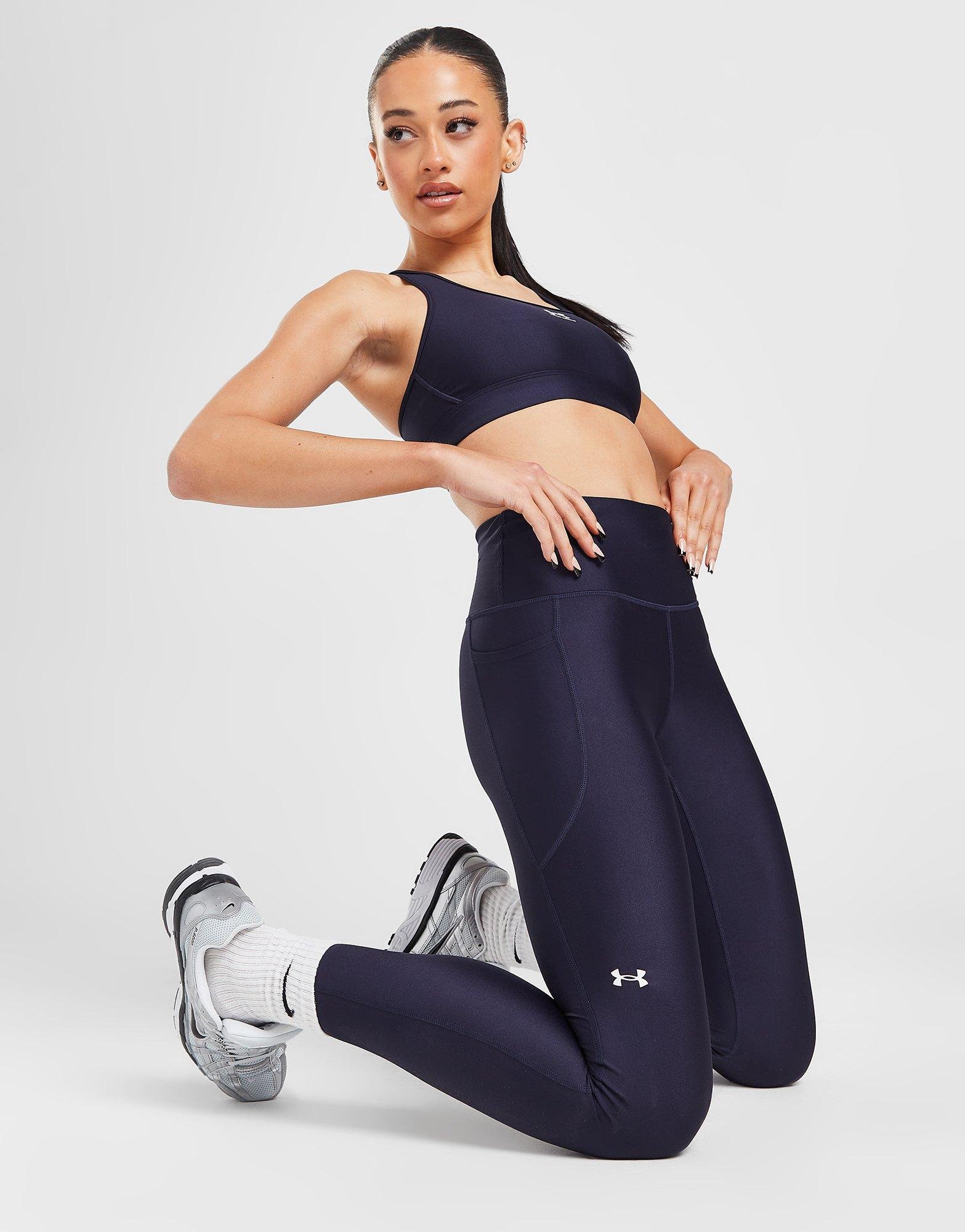
3. Compression Requires Higher Engineering Than Standard Activewear
Compression garments are not just “tight leggings.”
Engineering requirements:
- high-gauge knitting
- controlled pressure mapping
- strategic panel placement
- recovery-focused elastic properties
- consistent seam reinforcement
Why this matters
Without correct engineering, compression can:
- restrict movement
- cause discomfort
- lose shape quickly
OEM Perspective
Factories offering true compression capability stand out instantly.
4. Why Under Armour Focuses on Science Over Aesthetics
Unlike lifestyle-first brands, Under Armour maintains a performance identity.
Core brand priorities:
- function before fashion
- athlete validation
- measurable performance claims
- durability over trend cycles
Strategic outcome
Compression reinforces its positioning as:
- serious
- technical
- athlete-driven
- science-backed
💬 When a brand owns a technical category, it stays relevant even when trends shift.
5. What Performance Brands and OEMs Should Learn
Here are practical takeaways for brands and manufacturers:
✔ Lesson 1: Choose one performance category to master
Compression is UA’s anchor — every brand needs its own.
✔ Lesson 2: Test performance instead of relying on stretch
Essential tests include:
- recovery rate
- pressure consistency
- pilling resistance
- seam tensile strength
Numbers matter more than marketing claims.
✔ Lesson 3: Design based on athlete needs, not trends
Ask:
- “What problem does this solve?”
Before asking: - “What color will sell fastest?”
✔ Lesson 4: Educate customers about benefits
Consumers value what they understand — especially in performance wear.
✔ Lesson 5: Recovery is a new growth opportunity
Smaller brands can enter the market before it becomes crowded.
FAQs
Q1: Is compression only for professional athletes?
No — everyday gym-goers also benefit from support and recovery.
Q2: Does tighter compression mean better performance?
Not at all. Effective compression is about controlled pressure, not tightness.
Q3: Are recovery garments different from training compression?
Yes — recovery uses different pressure mapping and wear timing.
Q4: Can small brands launch compression products?
Absolutely — with the right OEM and testing support.
Partnering With FuKi Gymwear
If you want to develop true compression or recovery wear — not just tight activewear — working with a specialized OEM is essential.
👉 FuKi Gymwear supports brands with:
- High-gauge compression knitting
- Controlled pressure mapping capability
- Recovery-focused nylon–spandex blends
- Full stretch and durability testing
- Low MOQ for technical product launches
💬 Performance advantage comes from engineering — and we help brands build it from the fabric up.
