
Under Armour is a global performance brand, but unlike fast-fashion labels with centralized production, it works through a wide network of specialized manufacturing partners across multiple regions.
As someone working closely with OEM activewear factories, I’m often asked:
“Where does Under Armour actually manufacture — and how can OEM suppliers position themselves to compete?”
This article explains the answer in simple, beginner-friendly language.
Table of Contents
- Quick Answer
- 1. Under Armour Uses a Global, Distributed Manufacturing Network
- 2. Different Regions Support Different Product Capabilities
- 3. Under Armour Chooses Suppliers by Specialization—not Size
- 4. How OEMs Can Compete in Today’s Performance Market
- 5. What Factories Should Improve Before Reaching Out
- FAQs
- Partnering With FuKi Gymwear
Quick Answer
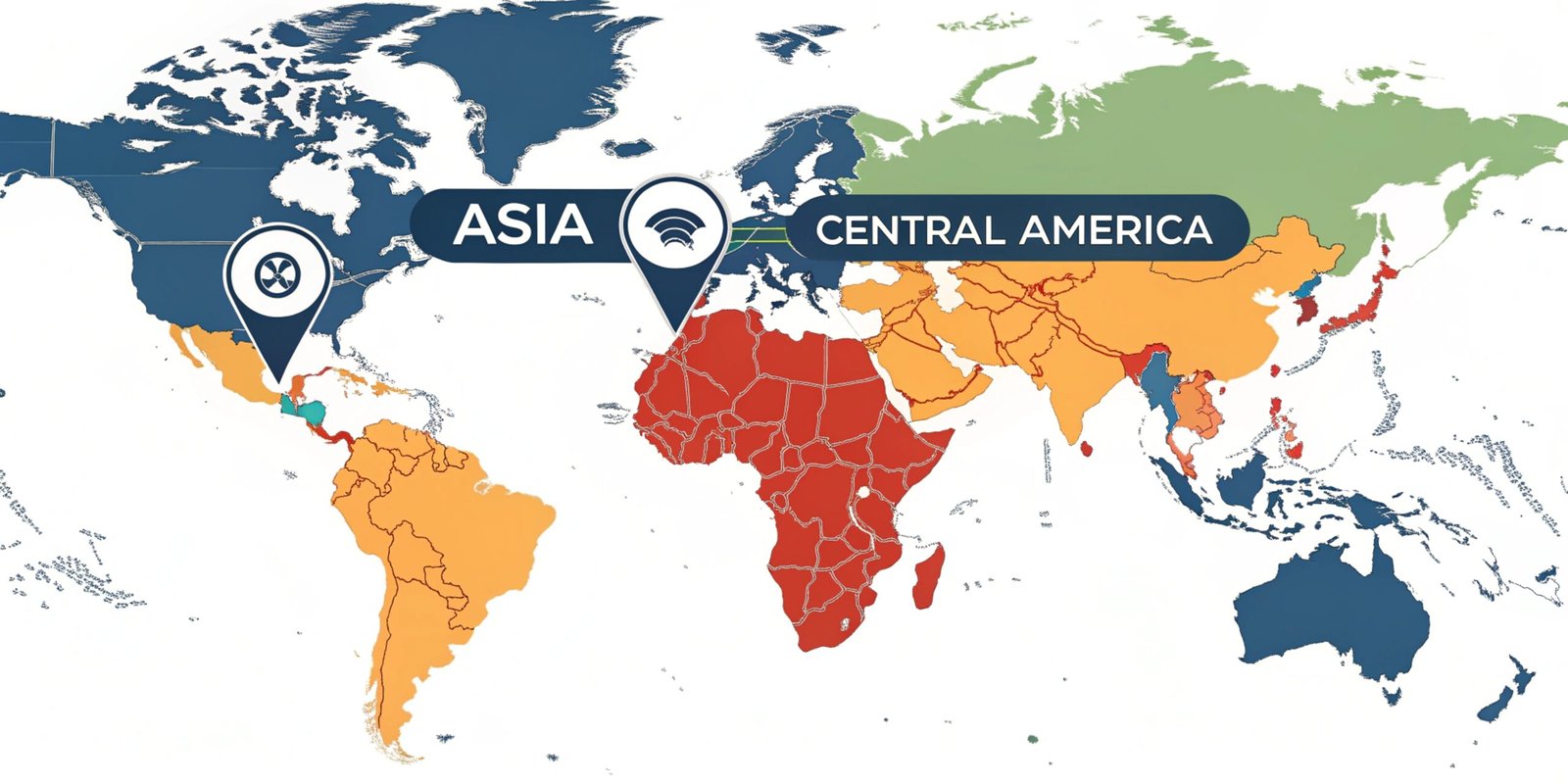
Under Armour manufactures across Asia, Central America, and emerging regional hubs, selecting suppliers based on technical capability, compliance, and performance consistency — not just low pricing.
💬 From my OEM experience:
Factories don’t compete with Under Armour’s volume; they compete by offering specialization, reliability, and development support.
1. Under Armour Uses a Global, Distributed Manufacturing Network
Under Armour does not rely on one country.
Their production footprint includes:
- Vietnam
- China
- Indonesia
- Jordan
- Nicaragua
- Philippines
- Malaysia
Why this matters
Distributed sourcing provides:
- supply-chain stability
- capacity flexibility
- reduced risk during disruptions
- faster regional fulfillment options
OEM Insight
The goal isn’t to replace these regions — it’s to offer capability that stands out.
2. Different Regions Support Different Product Capabilities
Under Armour places production based on specialty strength, not geography.
Capability overview:
| Region | Typical Strength |
|---|---|
| Vietnam | high-quality knit performance apparel |
| China | advanced fabric development & innovation |
| Indonesia | durable activewear and large-scale capacity |
| Central America | faster lead times for US distribution |
| Jordan | performance teamwear for large orders |
Why this matters
Factories should focus on what they do best, not trying to match every region.
💬 Competing globally = specialize locally.
3. Under Armour Chooses Suppliers by Specialization—not Size
Big brands aren’t looking for the biggest factories — they want the most capable ones.
What Under Armour prioritizes:
- seamless and compression expertise
- moisture-management fabric capability
- consistent stretch recovery
- advanced testing processes
- strong chemical compliance
- transparent documentation
What they don’t prioritize:
- lowest price
- generalist factories
- “we can produce anything” messaging
OEM Perspective
Factories win by depth, not range.
4. How OEMs Can Compete in Today’s Performance Market
Here are realistic ways factories can stand out:
✔ Lesson 1: Specialize in performance categories
Examples include:
- compression sets
- seamless activewear
- cooling nylon blends
- training-ready tops
Specialization = positioning.
✔ Lesson 2: Strengthen testing capability
Key tests brands expect:
- stretch & recovery
- pilling resistance
- colorfastness
- tensile and seam strength
- opacity (squat-proof)
Testing builds trust, not just quality.
✔ Lesson 3: Support small runs for new launches
Modern brands grow through:
- limited drops
- fast sampling
- iterative improvements
Flexibility beats volume.
✔ Lesson 4: Communicate like a partner, not a vendor
Proactive messaging wins:
- “We recommend this yarn for durability.”
- “We can test recovery before bulk.”
- “This finish improves cooling performance.”
Brands want solutions, not sewing lines.
5. What Factories Should Improve Before Reaching Out
Before approaching elite performance brands, OEMs should prepare:
✔ Documentation Package
Include:
- machine list
- yarn capabilities
- MOQ breakdown
- testing reports
- lead-time structure
Professional presentation = instant credibility.
✔ Category Portfolio
Show:
- 3–6 focused product examples
- consistent construction
- repeatable fabrics
- real performance testing
Not a catalog of everything.
✔ Compliance & Reliability
Brands expect:
- chemical safety standards
- transparent sourcing
- certifications (Bluesign / OEKO-TEX)
- stable output and QC
💬 Compliance is no longer optional — it’s a filter.
FAQs
Q1: Does Under Armour own its factories?
No — it works with external manufacturing partners globally.
Q2: Can smaller OEMs compete?
Yes — specialization matters more than scale.
Q3: Do brands still care about pricing?
Pricing matters, but capability and consistency matter more.
Q4: What is the biggest opportunity for OEMs today?
Becoming a development-focused partner, not a production-only vendor.
Partnering With FuKi Gymwear
If you want to compete for performance-driven brands — specialization and reliability are essential.
👉 FuKi Gymwear supports brands with:
- Seamless and compression development
- High-stretch performance nylon blends
- Full testing support before production
- Low MOQ for new category launches
- Fast sampling and iteration cycles
💬 OEMs succeed when they solve problems, not when they simply offer capacity — and we help brands grow through that approach.
