
Under Armour was once considered the most disruptive performance brand in the sportswear industry — especially during its early growth years.
But today, many founders and activewear startups ask the same question:
“Is Under Armour still leading in performance — and what does that mean for new brands entering the market?”
As someone working closely with OEM performance-wear factories, I’ve seen how Under Armour’s position has shifted — not disappeared — and how its strategy still shapes the category.
This article explains the answer in clear, beginner-friendly language.
Table of Contents
- Quick Answer
- 1. Under Armour Still Leads in Specific Performance Categories
- 2. Competition Has Increased From Brands Like Nike, Lululemon & On
- 3. Fabric and Tech Innovation Remains Under Armour’s Strength
- 4. The Brand Is Shifting Strategy Instead of Losing Relevance
- 5. What Activewear Brands Should Learn From This
- FAQs
- Partnering With FuKi Gymwear
Quick Answer
Under Armour is no longer the undisputed performance leader, but it still leads in training apparel, compression gear, and moisture-management technology.
The market has become more competitive — not because Under Armour became weak, but because more brands improved their performance standards.
💬 From my OEM experience:
Performance leadership today is no longer about one brand — it’s about innovation, testing, and category focus.
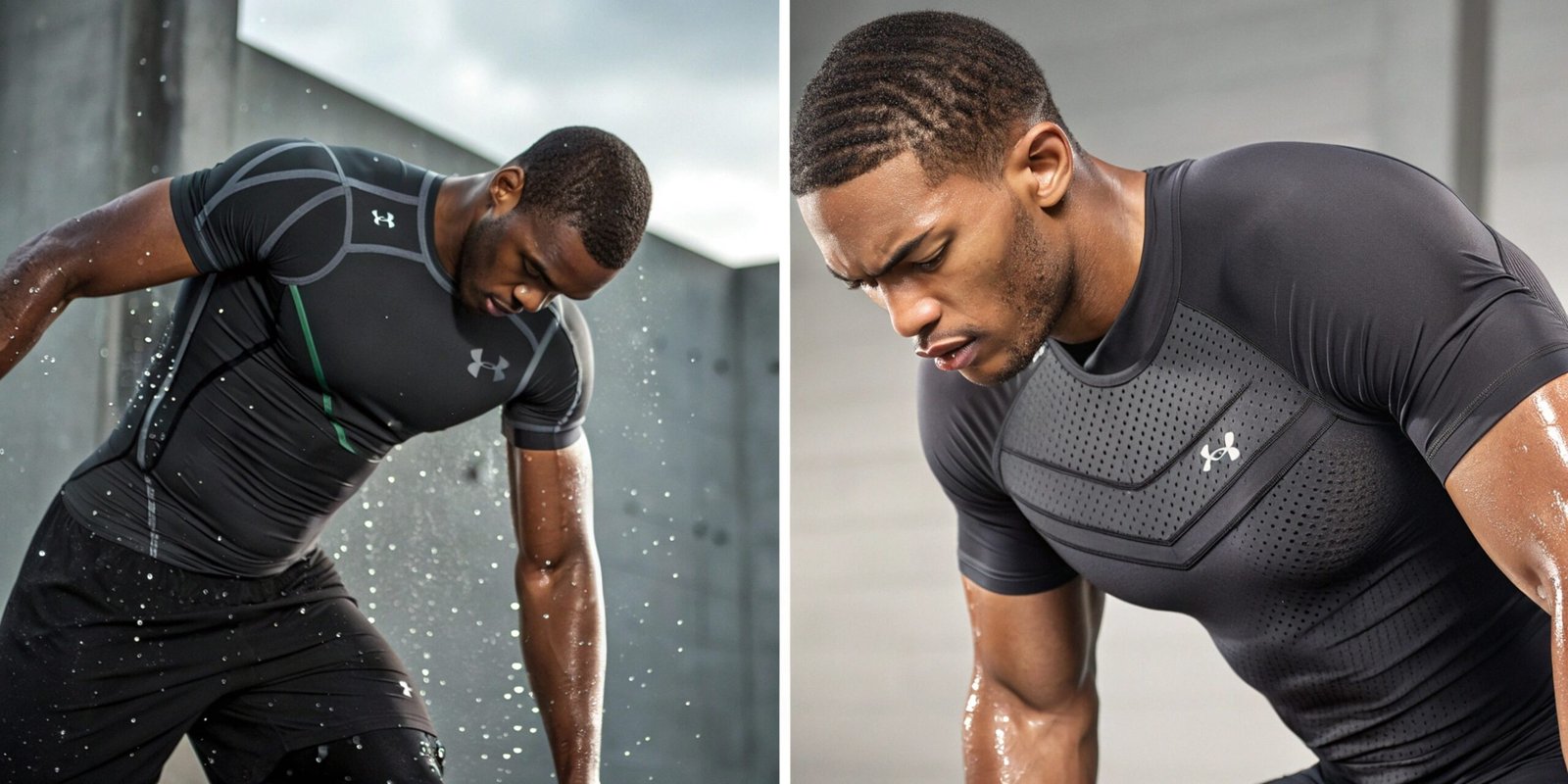
1. Under Armour Still Leads in Specific Performance Categories
While the overall market has diversified, Under Armour remains strong in:
Core strengths:
- compression tops and leggings
- heat and sweat-management fabrics
- training and team sports apparel
- underlayers and base-layer performance
- men’s high-intensity gear
Why this still matters
These categories require:
- technical knitting
- durable stretch recovery
- anti-odor chemistry
- high tensile strength
Not every brand can execute this consistently.
OEM Insight
Under Armour wins where performance is non-negotiable, not trend-based.
2. Competition Has Increased From Brands Like Nike, Lululemon & On
Under Armour is still relevant — just not alone at the top.
Today’s competitive landscape:
| Brand | Strength Area |
|---|---|
| Nike | Running + global dominance |
| Lululemon | Premium training + fit precision |
| Under Armour | Compression + sweat performance |
| On Running | Technical footwear + lightweight apparel |
| Adidas | Team sports + athleisure crossover |
What changed
Consumers now expect:
- performance + lifestyle design
- lighter compression feel
- premium aesthetics
- sustainability considerations
💬 Leadership today is shared, not singular.
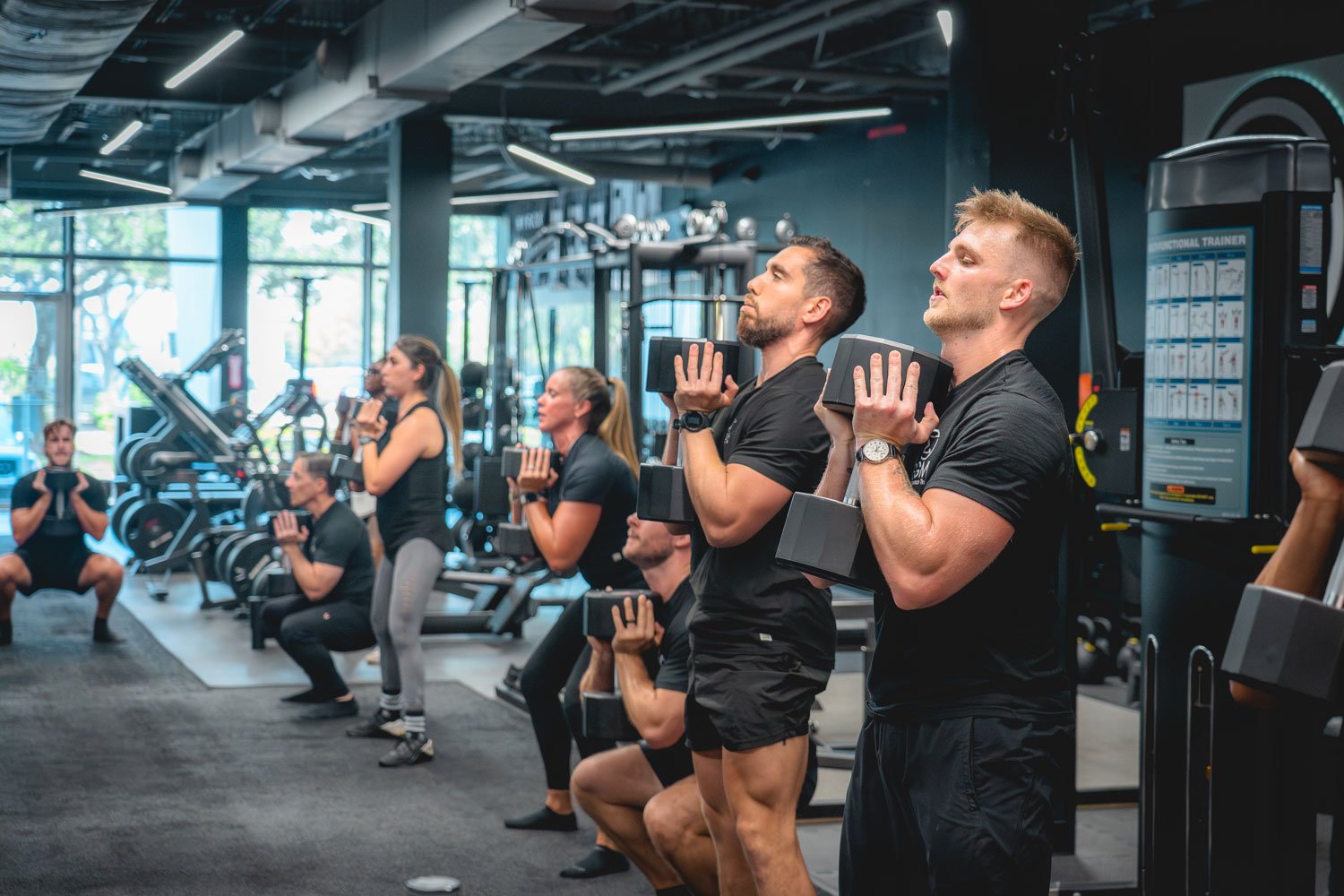
3. Fabric and Tech Innovation Remains Under Armour’s Strength
Under Armour still invests heavily in performance engineering.
Key technology examples:
- moisture-wicking HeatGear
- insulated ColdGear
- anti-odor finishing systems
- abrasion-resistant training knits
- high-gauge compression structures
Why this matters
Unlike fashion-driven brands, Under Armour prioritizes:
- function first
- durability
- sweat performance
- long-term consistency
OEM Perspective
Performance innovation requires testing, not trend-following.
4. The Brand Is Shifting Strategy Instead of Losing Relevance
Under Armour is adapting — not declining.
Recent strategic focuses:
- narrowing product assortment
- strengthening training identity
- reducing broad lifestyle expansion
- improving profitability over scale
- investing in core athlete markets
Why this approach makes sense
Market leadership today is about:
- clarity
- category ownership
- product discipline
- realistic growth pacing
💬 Sometimes stability is the smarter strategy than aggressive expansion.
5. What Activewear Brands Should Learn
Here are practical takeaways for founders and OEM partners:
✔ Lesson 1: Own one category before expanding
Under Armour dominates compression because it mastered it first.
✔ Lesson 2: Performance still requires real testing
Moisture-wicking claims mean nothing without:
- stretch recovery tests
- pilling resistance
- tensile strength validation
✔ Lesson 3: Competing today requires differentiation
Ask:
- “What do we do better than anyone else?”
Not: - “How do we copy major brands?”
✔ Lesson 4: Don’t chase every trend
Long-term brands focus on consistency, not constant reinvention.
✔ Lesson 5: Leadership today is shared
There is space for new brands — especially niche and performance-focused ones.
FAQs
Q1: Is Under Armour still a top performance brand?
Yes — especially in compression and training apparel.
Q2: Has Under Armour been replaced by competitors?
No. The market became more competitive, but UA remains a key leader.
Q3: Does performance still matter to consumers?
More than ever — especially for HIIT, running, and strength training.
Q4: Can small brands compete in performance wear today?
Absolutely — with specialization and the right OEM support.
Partnering With FuKi Gymwear
If you want to build performance activewear that competes with established brands — clarity and capability matter more than scale.
👉 FuKi Gymwear supports brands with:
- High-performance nylon–spandex development
- Compression and training-ready fabrics
- Moisture-wicking and durability testing
- Low MOQ for new performance lines
- Fast sampling and iteration support
💬 Performance leadership comes from engineering and consistency — and we help brands build both.
