
Under Armour is known for high-performance sportswear — but in recent years, it has also been integrating sustainability practices without compromising function.
Unlike lifestyle brands that simply switch to organic materials, Under Armour focuses on performance-first sustainability, where durability and technology remain the priority.
As someone working closely with activewear OEM factories, I’m often asked:
“How does a performance brand like Under Armour become more sustainable — and what can other brands learn from it?”
This article explains the approach in simple, beginner-friendly language.
Table of Contents
- Quick Answer
- 1. Recycled and Lower-Impact Materials in Key Product Lines
- 2. Durability as a Sustainability Strategy
- 3. Responsible Supply-Chain and Chemical Compliance
- 4. Reduced Water, Energy, and Waste in Production Processes
- 5. What Activewear Brands Can Learn
- FAQs
- Partnering With FuKi Gymwear
Quick Answer
Under Armour incorporates sustainability by using recycled materials, improving product durability, enforcing strict chemical compliance, and reducing water and energy impact in production — while maintaining performance standards.
💬 From my OEM experience:
Performance brands don’t adopt sustainability by sacrificing function — they adopt it by engineering smarter products and tighter processes.
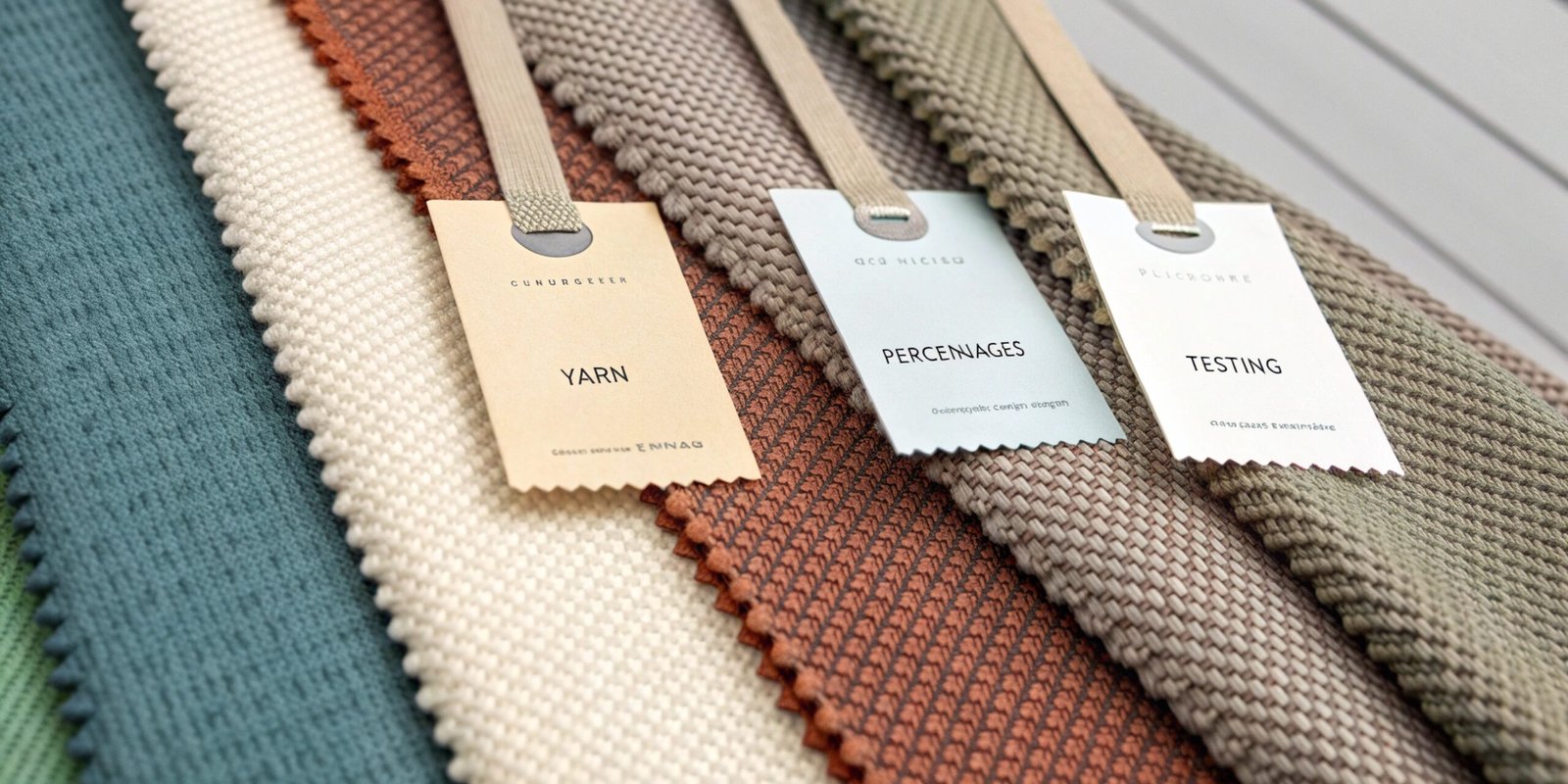
1. Recycled and Lower-Impact Materials in Key Product Lines
Instead of switching all fabrics at once, Under Armour focuses on high-volume categories first.
Examples of material shifts:
- recycled polyester yarns
- dope-dyed color solutions
- lower-impact nylon alternatives
- Bluesign-approved suppliers
Why this matters
Performance fabrics must maintain:
- moisture-wicking
- stretch and recovery
- durability
- breathability
OEM Insight
Switching to recycled fibers requires controlled knitting tension and finishing — not all factories can execute it consistently.
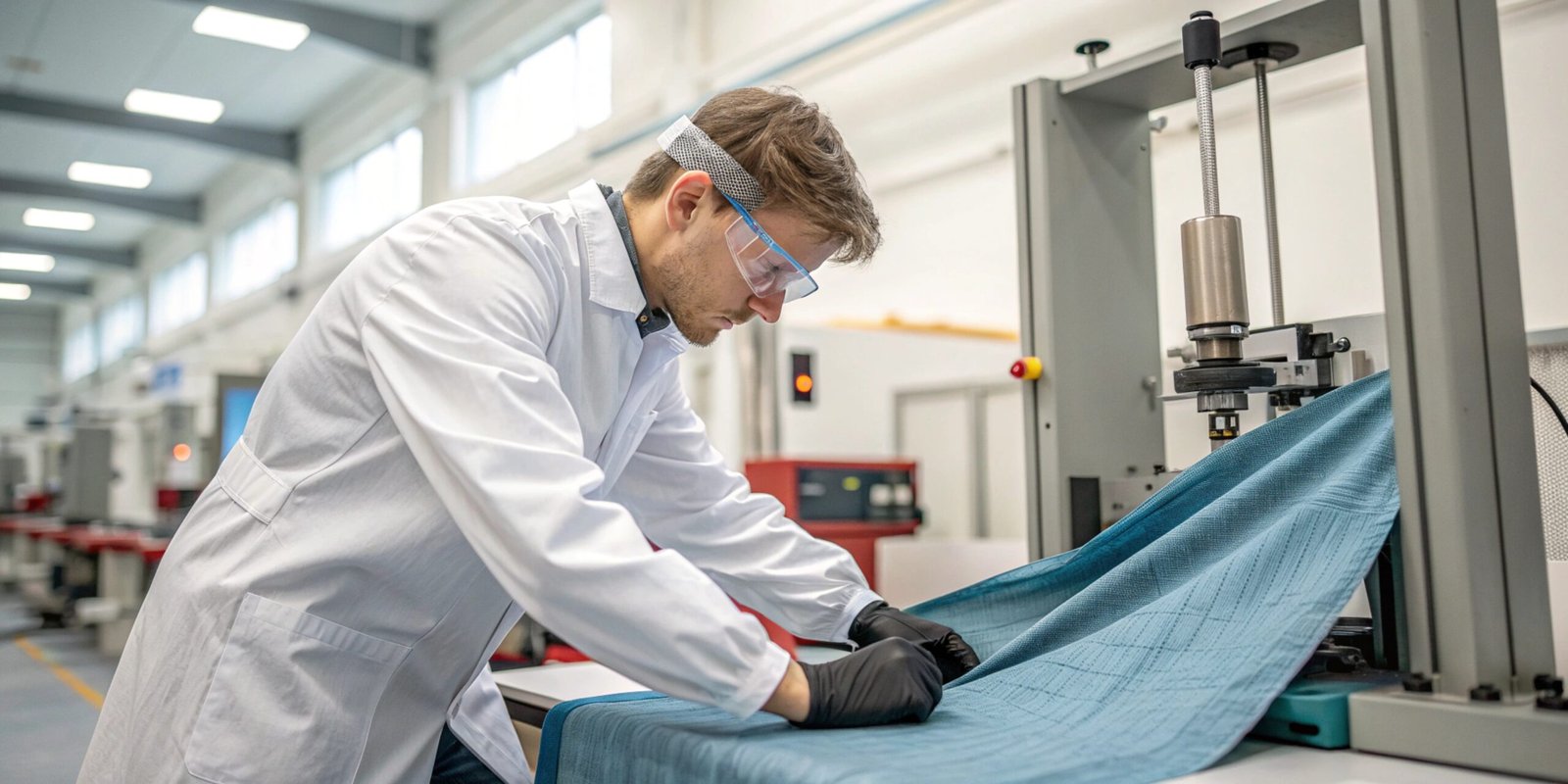
2. Durability as a Sustainability Strategy
Unlike fashion brands that focus on replacements, Under Armour prioritizes longer product life.
Why durability = sustainability
Long-lasting products reduce:
- landfill waste
- repurchase frequency
- resource consumption
- production impact over time
Sustainability comparison:
| Fast Replacement Model | Performance Durability Model |
|---|---|
| More frequent buying | Longer product lifespan |
| Higher waste output | Less environmental impact |
| Low testing standards | Strict durability testing |
💬 A product that lasts longer is more sustainable — even if it’s synthetic.
3. Responsible Supply-Chain and Chemical Compliance
Under Armour partners with suppliers who follow strict global standards.
Key compliance areas:
- restricted substance lists (RSL)
- Bluesign and OEKO-TEX certification
- wastewater safety protocols
- ethical labor requirements
Why this matters
Chemical safety affects:
- skin sensitivity
- long-term environmental impact
- regulatory approval in global markets
OEM Perspective
Sustainable performance isn’t just fabric —
it’s process, safety, and traceability.
4. Reduced Water, Energy, and Waste in Production Processes
Improving manufacturing efficiency is a major sustainability factor.
Under Armour focuses on:
- water-saving dyeing methods
- energy-efficient drying cycles
- reduced scrap in cutting layouts
- recyclable packaging initiatives
Why this matters
Factories can reduce impact without changing materials.
OEM Insight
Process optimization is often cheaper and faster to implement than fabric changes —
yet many factories overlook it.
5. What Activewear Brands Can Learn
Here are the most practical takeaways:
✔ Lesson 1: Start with your highest-volume styles
Small changes in big categories create the biggest impact.
✔ Lesson 2: Prioritize durability before fabric trends
A longer-lasting product is inherently more sustainable.
✔ Lesson 3: Work only with compliant suppliers
Ask for:
- certificates
- testing reports
- chemical compliance data
Documentation builds trust.
✔ Lesson 4: Optimize production processes
Even small steps help:
- reduce water usage
- lower energy consumption
- minimize waste
Sustainability is not only material choice.
✔ Lesson 5: Be transparent — not performative
Share progress such as:
- recycled percentages
- reduced water metrics
- material roadmap
Consumers prefer honesty over perfection.
FAQs
Q1: Does Under Armour use fully sustainable materials?
Not entirely — but it is increasing recycled content in key product lines.
Q2: Is sustainability harder for performance brands?
Yes, because materials must maintain function — but engineering makes it possible.
Q3: Do recycled fabrics affect durability?
Not when developed correctly with controlled knitting and finishing.
Q4: Can small brands adopt these methods?
Absolutely — starting with limited styles and compliant suppliers.
Partnering With FuKi Gymwear
If you want to build sustainable performance wear without losing functionality — the way Under Armour approaches it — choosing the right OEM partner is essential.
👉 FuKi Gymwear supports brands with:
- Recycled nylon and polyester development
- Low-impact dyeing options
- Performance durability testing
- Low MOQ for sustainable collections
- Fast sampling for pilot launches
💬 Sustainability works best when performance comes first — and we help brands achieve both.
