
Many manufacturers want to work with fast-growing activewear brands — but partnering with companies like Gymshark requires more than offering low prices or large capacity.
Brands at this level look for specialized capability, flexibility, development support, and performance consistency rather than basic production.
As someone working closely with OEM activewear factories, I often hear:
“What do brands like Gymshark actually look for — and how can a manufacturer qualify?”
This article explains the requirements in a simple, beginner-friendly way.
Table of Contents
- Quick Answer
- 1. Specialization Matters More Than Factory Size
- 2. Development Support Is More Important Than Cheap Pricing
- 3. Flexibility and Small Run Capability Are Critical
- 4. Performance Testing and Consistency Build Trust
- 5. What Manufacturers Should Do Before Reaching Out
- FAQs
- Partnering With FuKi Gymwear
Quick Answer
Manufacturers can partner with brands like Gymshark by offering specialized product capabilities, strong development support, flexible production options, and consistent performance testing — not just mass production capacity.
💬 From my OEM experience:
Big brands don’t look for “the biggest factory.”
They look for the smartest and most specialized partner.
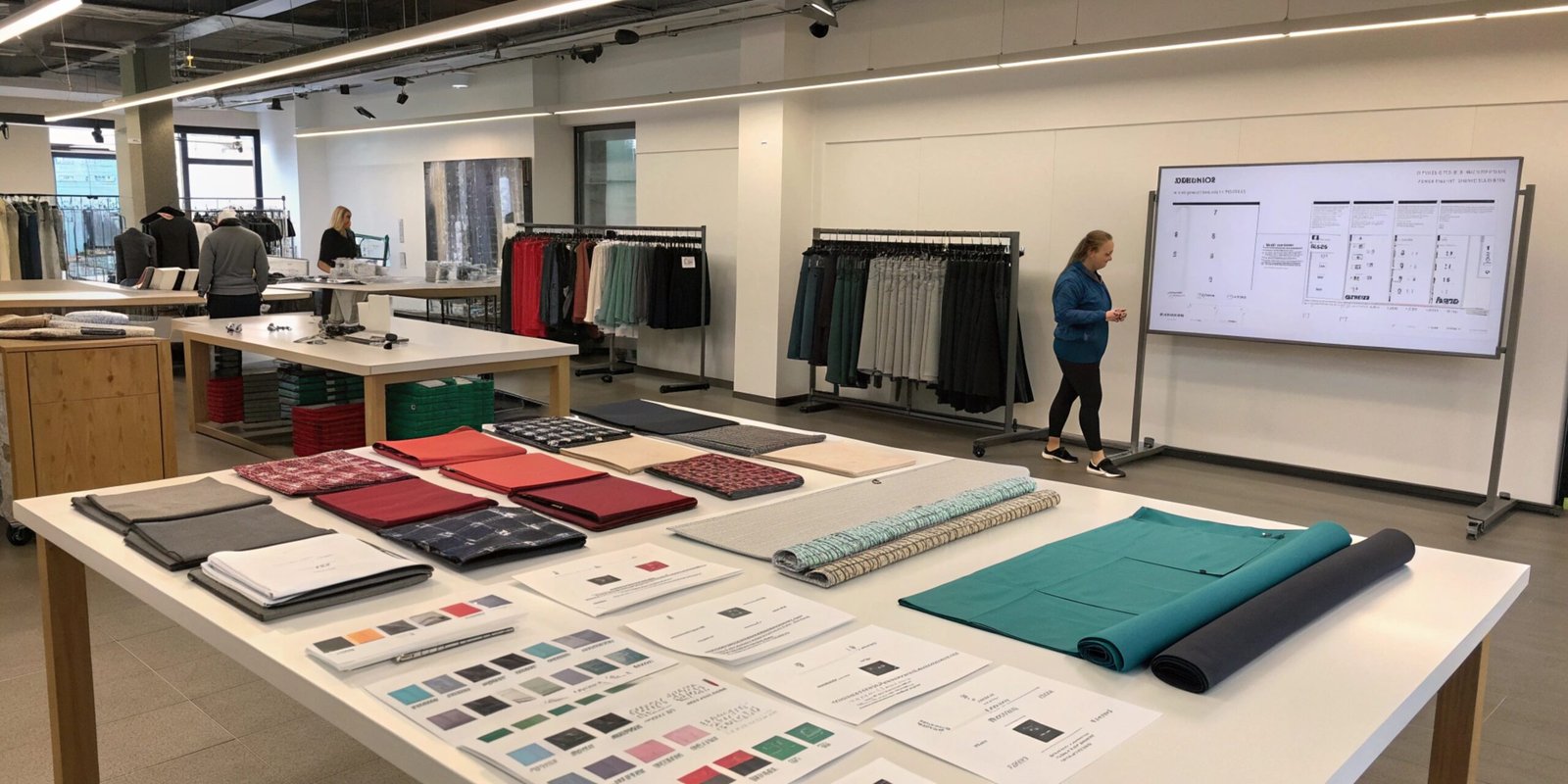
1. Specialization Matters More Than Factory Size
Brands like Gymshark select factories based on technical capability, not scale.
What specialization looks like:
- seamless knitting expertise
- nylon–spandex compression fabrics
- contour design execution
- high-gauge circular machines
- advanced pattern and grading for performance fit
Why this matters
Gym-focused brands care about:
- sculpting
- stretch and recovery
- squat-proof performance
- waistband stability
These require expertise, not just machinery.
OEM Insight
A factory offering “anything and everything” rarely wins.
Factories that master one category get noticed.
2. Development Support Is More Important Than Cheap Pricing
Fast-growing brands need product development partners, not just sewing lines.
What development support includes:
- fabric sourcing recommendations
- sampling iterations
- fit corrections based on movement
- colorfastness and stretch guidance
- technical feedback before production
Why brands value this
It helps them:
- launch faster
- avoid design failures
- reduce returns
- improve customer loyalty
Compared to old-style manufacturing:
| Traditional Factory Mindset | Modern Brand Expectations |
|---|---|
| “Send PO and we produce” | “Help us develop the right product” |
| Limited sample feedback | Collaborative iteration |
| Cost-first communication | Performance-first communication |
| No testing responsibility | Shared testing and validation |
Brands like Gymshark want partners, not vendors.
3. Flexibility and Small Run Capability Are Critical
Gymshark built its success through small drops and rapid testing, not giant seasonal orders.
What manufacturers must offer:
- low MOQs for new styles
- quick sample turnaround
- ability to scale when demand spikes
- responsive communication
- willingness to adapt designs
Why flexibility matters
It allows brands to:
- test colors and fits
- avoid overproduction
- collect real user feedback
- reduce financial risk
💬 New brands don’t start with 20,000 pcs — they start with trial runs that grow by performance.
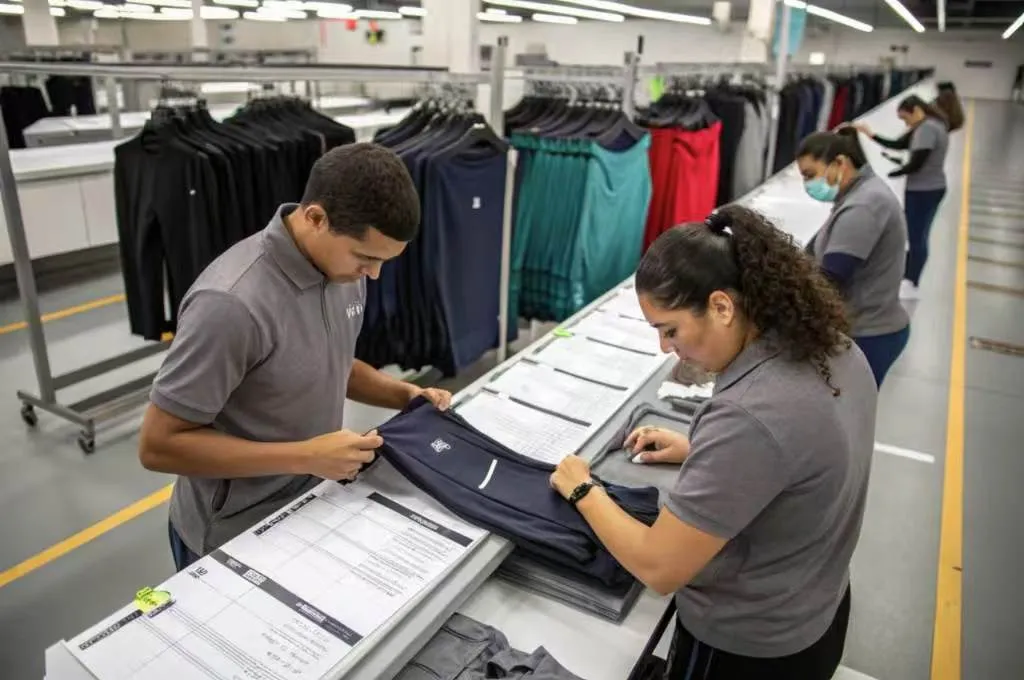
4. Performance Testing and Consistency Build Trust
Brands like Gymshark rely heavily on repeatable performance, especially for high-stretch fabrics.
Key tests include:
- stretch and recovery
- pilling resistance
- squat-proof opacity
- colorfastness (sweat + wash)
- seam strength
- waistband elasticity durability
Why this matters
Performance failures damage:
- influencer content
- customer confidence
- brand reputation
OEM Perspective
Factories that test before scaling avoid:
- returns
- order cancellations
- long-term supplier loss
Consistency is more valuable than speed.
5. What Manufacturers Should Do Before Reaching Out
Before approaching big brands, factories should prepare:
✔ Lesson 1: Build a strong category portfolio
Examples:
- seamless sets
- compression leggings
- performance tops
- joggers and hoodies
Show expertise, not variety.
✔ Lesson 2: Prepare technical documentation
Include:
- machine lists
- yarn capabilities
- fabric testing data
- sample size specs
- production lead times
Professional presentation increases trust.
✔ Lesson 3: Start by targeting emerging brands
Working with:
- fast-growing startups
- micro-influencer-led brands
- niche performance labels
…positions factories for future Gymshark-level partnerships.
✔ Lesson 4: Offer collaboration, not just production
Communicate like this:
- “Here’s how we can improve fit”
- “We recommend this yarn for durability”
- “We can test squat-proof before bulk”
Proactive factories win faster.
✔ Lesson 5: Focus on long-term relationships
Brands don’t switch suppliers often —
they stay with partners who support growth.
FAQs
Q1: Do brands like Gymshark require huge production capacity?
Not initially — they prioritize specialization and flexibility.
Q2: Is offering low pricing enough to attract big brands?
No. Development support and performance reliability matter far more.
Q3: Can smaller factories still qualify?
Absolutely — if they excel in one category and communicate professionally.
Q4: How do manufacturers get noticed?
By presenting capability, not asking for orders.
Partnering With FuKi Gymwear
If you want to partner with emerging and fast-scaling activewear brands — the way Gymshark works with its suppliers — specialization and development support are essential.
👉 FuKi Gymwear supports brands with:
- Seamless and compression product capability
- High-stretch nylon–spandex development
- Squat-proof and durability testing
- Low MOQ for new category launches
- Fast sampling and iterative production cycles
💬 Manufacturers succeed when they think like partners, not vendors — and we help brands grow through that mindset.
