
Gymshark didn’t become a global fitness brand by accident. Behind the viral influencer strategies and aesthetic seamless sets, Gymshark’s production model is one of the most important reasons the brand scaled so quickly.
As someone who works directly with OEM activewear factories, I constantly analyze how fast-growing brands build their manufacturing systems. This article explains the production lessons we can learn from Gymshark — using simple language, clear structure, and real manufacturing insight.
Table of Contents
- Quick Answer
- Use Specialized Factories for Specialized Categories
- Build a Lean, Fast, and Flexible Supply Chain
- Prioritize Fabrics and Fit Over Everything Else
- Small SKU Drops Beat Large Collections
- Co-Produce With Influencers and Collect User Data
- FAQs
- Partnering With FuKi Gymwear
Quick Answer
Gymshark’s production success comes from specialized factory partnerships, lean and flexible sourcing, fabric-first development, small controlled product drops, and real user testing through creators.
💬 From my OEM perspective:
The secret is not having huge production power — it’s having smart production strategy.
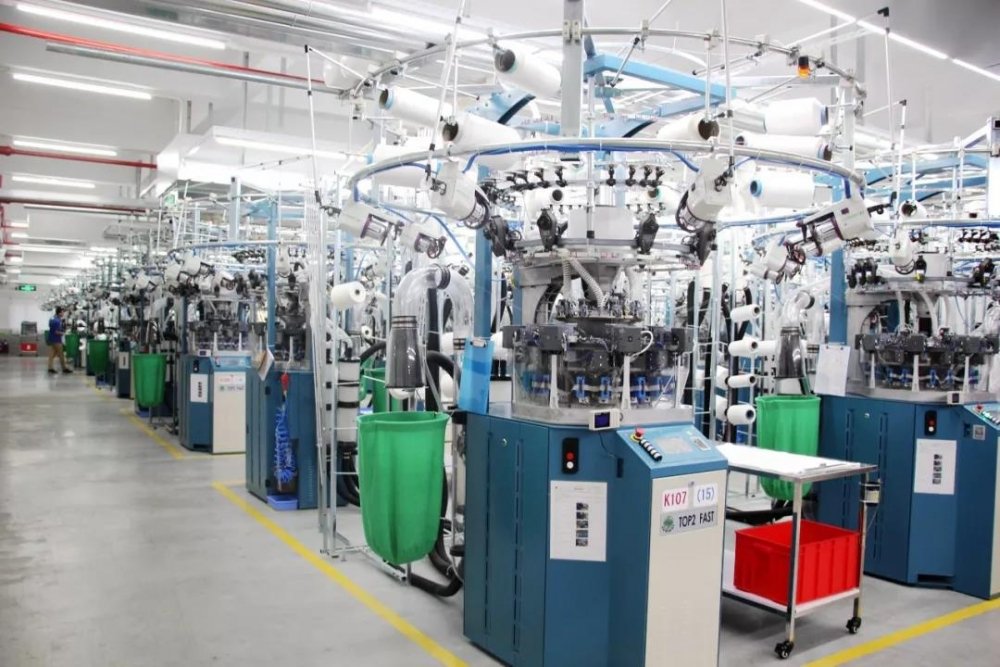
1. Use Specialized Factories for Specialized Categories
Gymshark doesn’t rely on one large supplier. Instead, it collaborates with multiple specialized factories, each focusing on a different product category.
Example of category specialization
| Factory Region | Best For | Why |
|---|---|---|
| China | Seamless leggings, nylon blends | Advanced knitting machines |
| Turkey | Premium seamless apparel | EU proximity, strong yarn supply |
| Bangladesh | Hoodies, joggers | Cotton fleece expertise |
| Vietnam | Woven shorts | Technical stitching and bonding |
Why this matters
No factory excels at every product category.
By choosing the right partner for the right product, Gymshark achieves:
- better consistency
- higher product performance
- more reliable production timelines
OEM Insight
Many new brands ask one supplier to produce too many categories.
Gymshark avoids this by building a multi-factory ecosystem.
2. Build a Lean, Fast, and Flexible Supply Chain
Gymshark keeps its supply chain lean and responsive.
This means:
- avoiding overproduction
- limiting unnecessary SKU expansion
- reducing slow retail lead times
- minimizing heavy warehouse inventory
Why lean production works
- lower inventory risk
- faster reaction to trends
- easier cash-flow management
- tighter quality control
From my OEM experience, the fastest-growing brands keep production models:
- simple
- responsive
- data-driven
Gymshark made speed its competitive advantage.

3. Prioritize Fabrics and Fit Over Everything Else
Gymshark built its reputation on seamless fit, contouring, and squat-proof performance.
Key production decisions include:
- using high-stretch nylon/spandex blends
- investing in complex seamless knitting patterns
- designing contour lines that shape the body
- enforcing strict squat-proof testing
- optimizing waistband elasticity
Why influencers loved it
Their clothing:
- stays tight
- maintains shape
- doesn’t roll down
- highlights muscle definition
OEM Insight
In early brand growth stages, fabric and fit matter more than branding.
Gymshark mastered performance-first design long before marketing went viral.
4. Small SKU Drops Beat Large Collections
Traditional brands release large seasonal collections.
Gymshark uses small, strategic product drops instead.
Benefits of drop-style production
- easier inventory management
- lower MOQ requirements
- faster product innovation
- stronger social media hype
- reduced manufacturing waste
Why this strategy works
Creators test products immediately.
If a product performs well → scale production.
If it fails → discontinue quickly.
💬 Many brands fail because they produce too many SKUs.
Gymshark proved that less is often more.
5. Co-Produce With Influencers and Collect User Data
Gymshark uses influencers not just for marketing — but also for product development feedback.
How creators improve production
- early wear testing
- movement analysis during workouts
- sizing feedback from different body types
- insights on colors and camera appearance
The result
- fewer production errors
- better fit scaling
- stronger product launches
- higher sell-through rates
OEM Perspective
Influencer feedback helps factories refine:
- stitching tension
- stretch recovery
- gusset placement
- waistband strength
Creators are part of the production ecosystem, not just advertising.
FAQs
Q1: Does Gymshark own its factories?
No. Gymshark works with OEM partners globally.
Q2: How does Gymshark maintain quality across suppliers?
Through specialized factories, strict testing standards, and consistent fabric bases.
Q3: Can new brands use this production model?
Yes. Starting with 1–2 focused product categories is often the best approach.
Q4: What is Gymshark’s biggest production advantage?
A flexible multi-factory system that supports fast iteration and influencer collaboration.
Partnering With FuKi Gymwear
If your brand wants to replicate Gymshark’s smart production model, choosing the right OEM partner is essential.
👉 FuKi Gymwear supports brands with:
- premium seamless and performance fabrics
- fabric sourcing and development
- squat-proof, stretch, and durability testing
- low MOQ for new collections
- fast sampling and lean production cycles
💬 Production is where brand success begins — and we help you build it the right way.
