
Adidas is known not only for its strong brand identity but also for its highly collaborative OEM partnerships across Asia and Europe. As someone who works directly with activewear manufacturing teams, I’ve seen how Adidas sets a global standard for efficiency, sustainability, and product consistency.
This article explains what other manufacturers can learn from Adidas’s OEM model, using simple insights and real production experience.
Table of Contents
- Quick Answer
- Why Adidas’s OEM System Works So Well
- Key Practices Adidas Uses With Its OEM Partners
- What Manufacturers Should Copy From Adidas’s Process
- How Adidas Balances Cost, Speed, and Quality
- Lessons for New and Growing Activewear Brands
- FAQs
- Partnering With FuKi Gymwear
Quick Answer
✅ Manufacturers can learn from how Adidas builds long-term OEM partnerships based on fabric innovation, workflow efficiency, sustainable sourcing, and transparent communication.
💬 From my OEM experience, the Adidas model shows that stable processes matter more than flashy marketing.
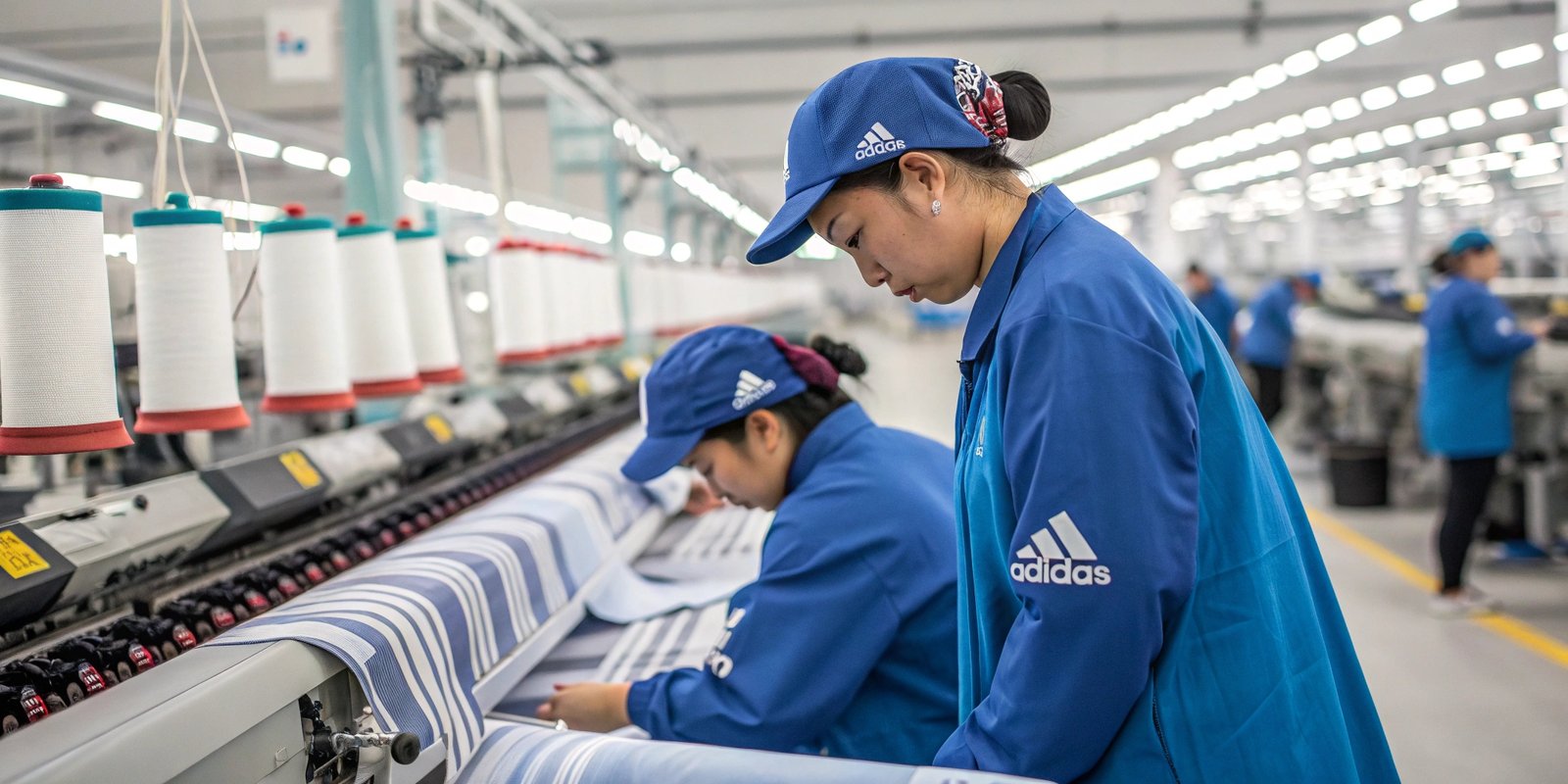
1. Why Adidas’s OEM System Works So Well
Adidas does not rely on random factory choices. Instead, it invests in repeatable and scalable manufacturing systems.
Key elements of the system include:
- long-term factory partnerships
- shared technology platforms
- strict testing standards
- global multi-country sourcing
Why these systems matter
| Reason | Why It Matters |
|---|---|
| Long-term partnerships | Consistent product quality year after year |
| Shared development platforms | Faster product development cycles |
| Strict testing standards | Reduced product failures |
| Multi-country sourcing | Lower supply chain risk |
💬 Adidas treats its OEM partners as part of its production ecosystem, not just suppliers.
2. Key Practices Adidas Uses With Its OEM Partners
Adidas combines technical systems with operational discipline to maintain consistency.
✔ 1. Fabric Libraries and Pre-Approved Materials
Factories work with approved fabric lists that meet Adidas performance benchmarks.
✔ 2. Consistent Fit Blocks
Standardized fit blocks ensure sizing consistency across global collections.
✔ 3. Digital Prototyping
Digital sampling speeds up product development and reduces sampling costs.
✔ 4. Clear KPI Tracking
Adidas tracks production performance through metrics such as:
- lead time
- defect rate
- sustainability scores
- cost efficiency
✔ 5. Joint R&D Collaboration
Factories often co-develop:
- new knit constructions
- finishing techniques
- performance fabrics
💬 This level of collaboration between brand and factory is rare but extremely effective.
3. What Manufacturers Should Copy From Adidas’s Process
OEM factories can adopt several lessons from the Adidas manufacturing model.
| Lesson | Explanation |
|---|---|
| Standardize sampling workflows | Improves speed and consistency |
| Invest in performance fabrics | Enables higher-margin products |
| Focus on sustainability | Consumers increasingly expect it |
| Maintain transparent communication | Reduces delays and misalignment |
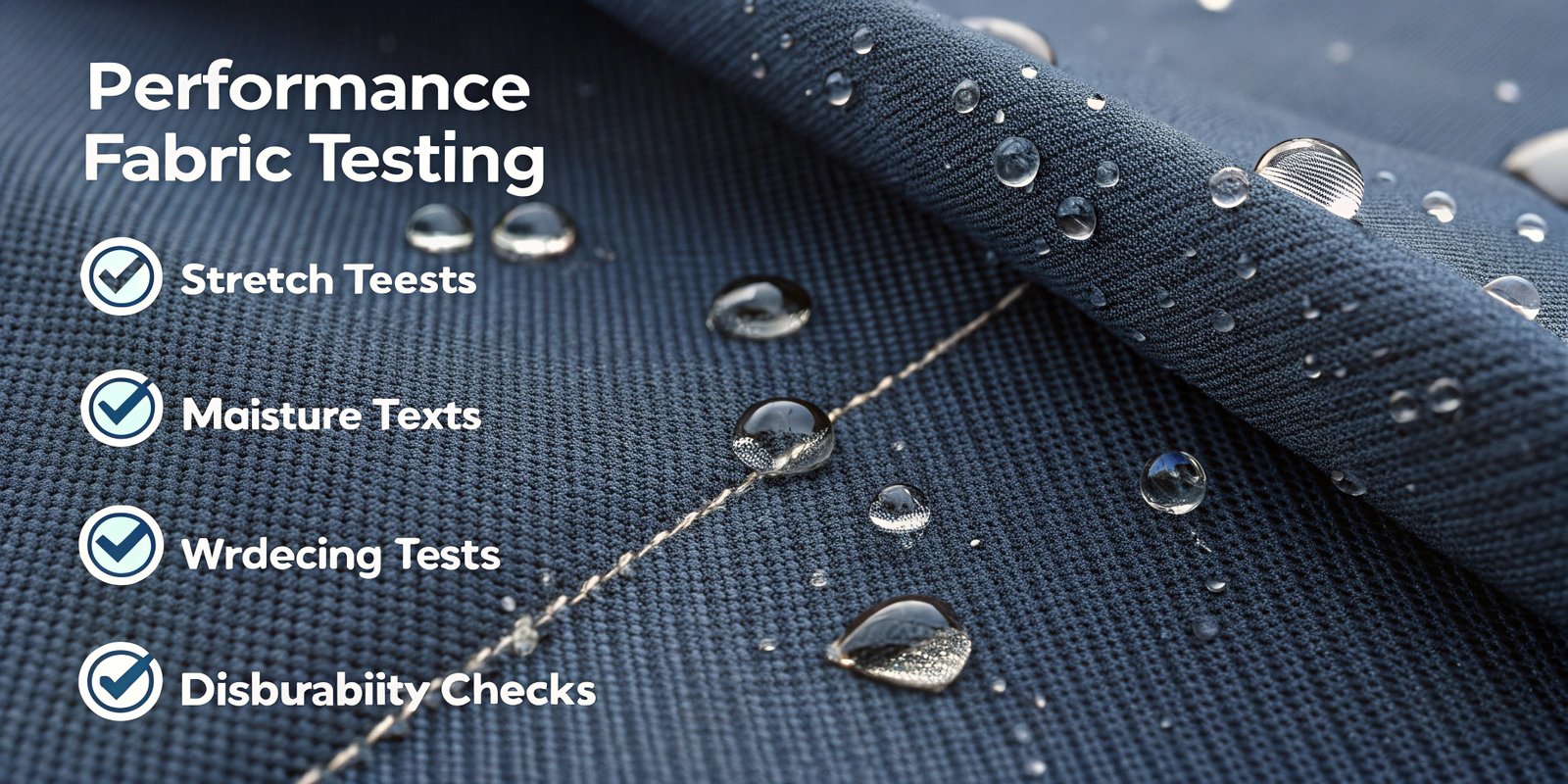
| Provide data-backed testing | Builds buyer trust |
💬 Factories that adopt structured systems tend to win more long-term clients.
4. How Adidas Balances Cost, Speed, and Quality
Adidas carefully balances the three most important production factors.
Cost
- multi-country sourcing (Vietnam, China, Cambodia, Turkey)
- volume-based supplier negotiations
- recycled materials that reduce waste
Speed
- digital sample development
- standardized fit blocks
- seasonal planning 12–18 months ahead
Quality
- strict AQL inspection standards
- performance testing (stretch, wicking, abrasion)
- quality checkpoints from knitting → sewing → packing
💬 The real secret: Adidas does not chase the lowest price—it builds the most stable system.
5. Lessons for New and Growing Activewear Brands
Even smaller brands can adopt parts of the Adidas manufacturing approach.
Key recommendations:
- 🧵 Build strong relationships with a few key factories
- 🔄 Use repeatable fit blocks and patterns
- 🧪 Choose fabrics that are both soft and functional
- 🌱 Add sustainable options to your fabric list
- 🧭 Communicate clearly and consistently during sampling
- 🚀 Plan launches with enough lead time
💬 Even without Adidas’s scale, structured processes can still be replicated.
FAQs
Q1: Why does Adidas work with so many OEM partners?
To diversify production regions, reduce risk, and scale globally.
Q2: What fabrics do Adidas OEM partners commonly use?
Recycled polyester, engineered knits similar to Primeknit, and moisture-wicking performance blends.
Q3: Can smaller factories replicate Adidas’s OEM model?
Yes—by standardizing processes and investing in testing equipment.
Q4: What mistakes do manufacturers make when working with large brands?
Slow sampling, inconsistent quality control, and poor communication.
Partnering With FuKi Gymwear
If you want to build products with the same consistency seen in Adidas’s OEM partnerships,
👉 FuKi Gymwear is ready to support your brand.
We provide:
- fast sampling with low MOQ
- performance fabrics (seamless, brushed, mesh, compression)
- recycled and sustainable yarn options
- data-backed quality testing
- OEM/ODM support for brands expanding in the U.S. and EU markets
💬 Strong systems build strong brands—and FuKi Gymwear is built for that.
