
Adidas is one of the world’s largest sportswear manufacturers, and its production network spreads across multiple countries. As someone who works closely with OEM and performance apparel factories, I often see how Adidas operates differently from smaller brands — especially in sourcing, quality control, and regional specialization.
This article explains where Adidas produces its training and gym apparel, why those regions matter, and what new brands can learn from its global manufacturing model.
Table of Contents
- Quick Answer
- 1. Adidas’ Global Production Regions
- 2. Why Adidas Uses Multiple Countries for Gym Apparel
- 3. Manufacturing Strengths by Region
- 4. What New Brands Can Learn From Adidas’ Sourcing Strategy
- FAQs
- Partnering With FuKi Gymwear
Quick Answer
✅ Adidas produces its training and gym apparel mainly in Vietnam, China, Indonesia, Cambodia, and Turkey, each selected for strengths such as technical sewing, material availability, skilled labor, and cost efficiency.
💬 From my OEM experience, Adidas succeeds because it spreads production across regions rather than relying on a single country.
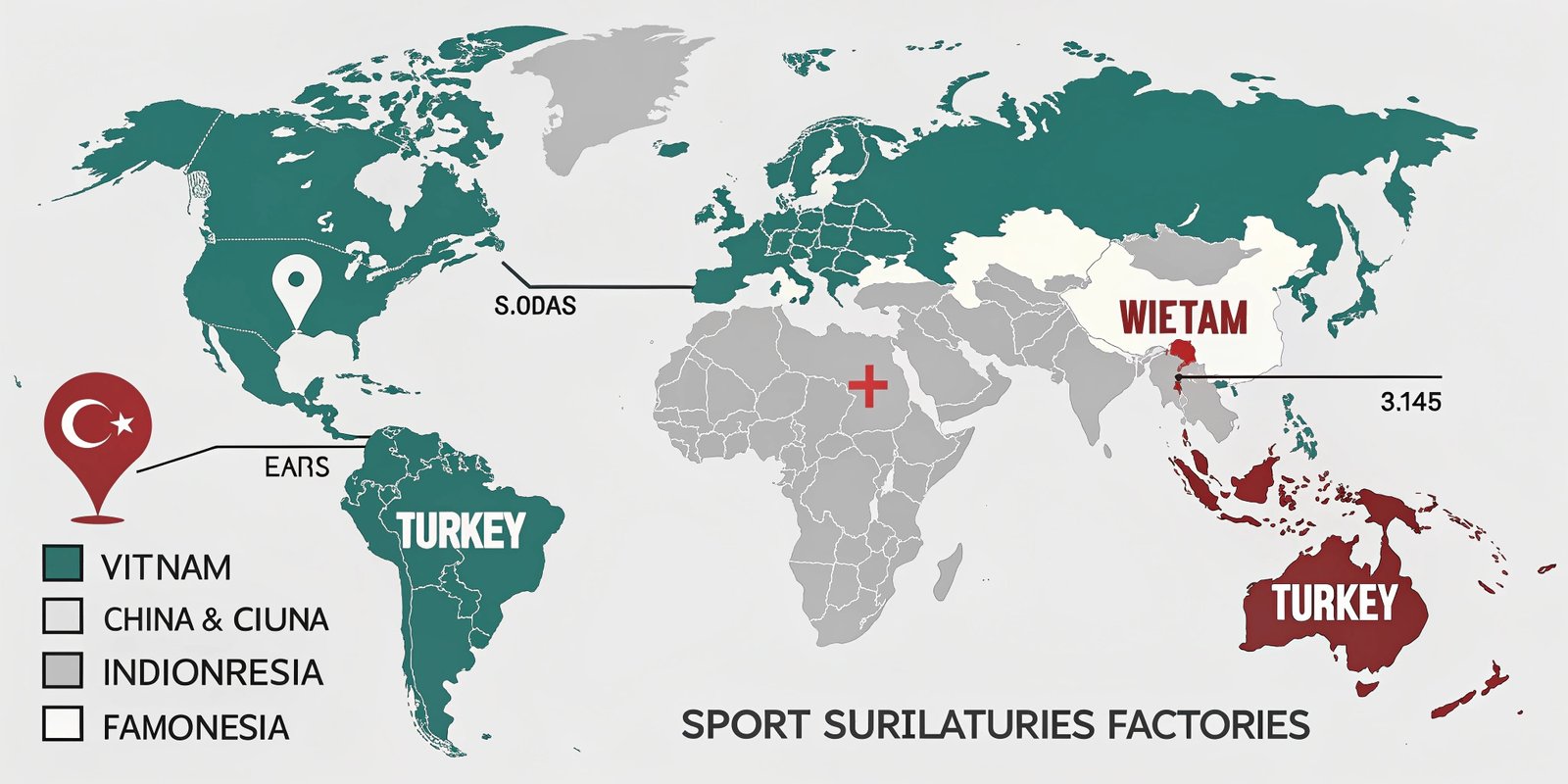
1. Adidas’ Global Production Regions
Adidas uses a multi-country manufacturing model to produce its training and gym apparel.
| Country / Region | What Adidas Makes | Why This Region |
|---|---|---|
| Vietnam | Gym wear, running apparel, seamless items | Skilled workforce and stable production |
| China | Technical fabrics and engineered knits | Advanced machinery and material supply |
| Indonesia | Training tops, shorts, basics | Strong cut-and-sew capacity |
| Cambodia | High-volume apparel | Cost-effective labor |
| Turkey | Lifestyle and fast-turn products | Nearshoring for European markets |
| Sri Lanka | Sports bras and compression wear | Precision sewing expertise |
💬 Adidas selects manufacturing regions based on specialization and efficiency, not simply cost.
2. Why Adidas Uses Multiple Countries for Gym Apparel
Adidas diversifies production for several strategic reasons.
✔ 1. Manufacturing Efficiency
Different countries specialize in different stages of activewear production, including:
- fabric knitting
- lamination and bonding
- seamless knitting
- compression garment construction
✔ 2. Risk Reduction
Using multiple regions helps Adidas reduce supply chain disruptions caused by:
- political instability
- shipping delays
- regional production interruptions
✔ 3. Faster Market Response
Nearshoring production (for example in Turkey) helps Adidas quickly restock European markets.
💬 In manufacturing, this approach is called distributed sourcing — a strategy many emerging brands can learn from.
3. Manufacturing Strengths by Region
Each production region contributes different capabilities to Adidas’ supply chain.
| Region | Special Strength | Ideal Categories |
|---|---|---|
| Vietnam | Consistent quality and skilled workers | Premium training wear |
| China | Technology-driven textile innovation | Technical fabrics and seamless apparel |
| Indonesia | Cost-efficient large-scale production | Teamwear and gym basics |
| Turkey | Fast response and quality | Lifestyle and European athleisure |
| Sri Lanka | Precision sewing expertise | Sports bras and compression garments |
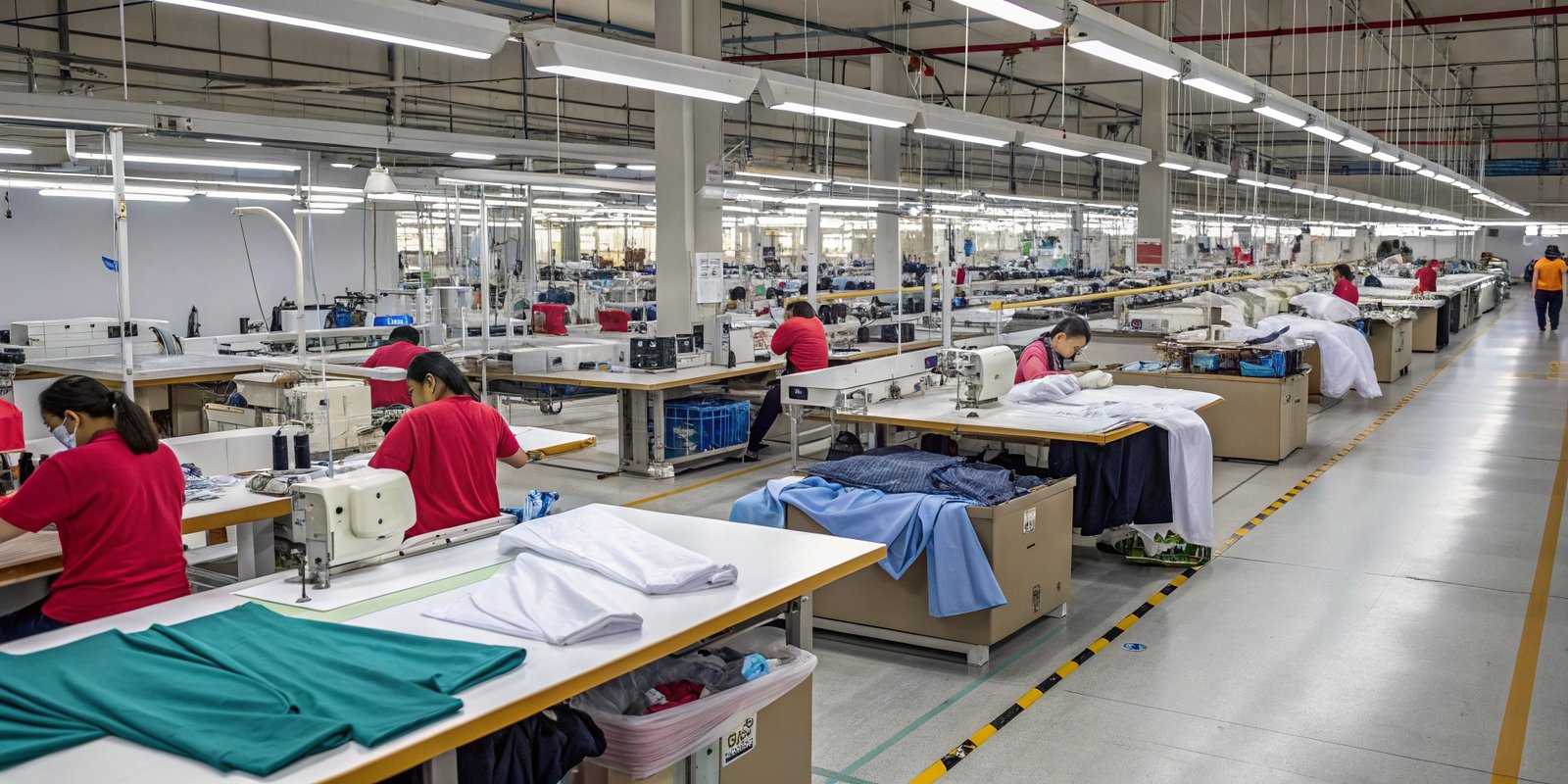
💬 Adidas uses a “best-country-for-each-category” strategy, which is far more efficient than relying on a single production location.
4. What New Brands Can Learn From Adidas’ Sourcing Strategy
If you are building a fitness apparel brand, there are several key lessons from Adidas’ manufacturing approach.
🌍 Avoid relying on a single factory or country
🧵 Match each product category with the region best suited to produce it
🚚 Use nearshore suppliers for faster restocking
🧪 Choose partners with strong testing and quality control capabilities
🔁 Build long-term partnerships rather than one-off orders
♻️ Consider sustainable materials to meet modern consumer expectations
💬 Adidas succeeds globally because its supply chain is both flexible and specialized.
FAQs
Q1: Where does Adidas produce most of its gym apparel?
Primarily in Vietnam, China, Indonesia, Cambodia, and Turkey.
Q2: Why doesn’t Adidas manufacture everything in one country?
Diversified sourcing reduces supply chain risk and allows Adidas to use each region’s strengths.
Q3: Is Adidas production sustainable?
Yes. Many factories producing for Adidas use recycled polyester and environmentally responsible dyeing processes.
Q4: Are Adidas factories different from normal OEM manufacturers?
Yes. Adidas suppliers must meet strict standards for compliance, quality control, and third-party audits.
Partnering With FuKi Gymwear
If Adidas’ global sourcing strategy inspires your approach, FuKi Gymwear can help your brand build a similar supply chain foundation.
👉 FuKi Gymwear can support your brand with:
- high-quality gym and training apparel manufacturing
- performance fabrics including compression knits and seamless materials
- fast sampling with stable lead times
- sustainable material options
- OEM and ODM product development support
💬 A strong supply chain creates strong results — and we help brands build both.
