
Nike’s supply chain is one of the most efficient, diversified, and resilient systems in global apparel. As someone who works directly with OEM/ODM manufacturing, I’ve studied Nike’s approach closely — and many brands can learn from its strategy to scale faster, reduce risk, and improve product quality.
This article breaks down the supply chain lessons OEMs can learn from Nike, explained in simple, practical language.
Table of Contents
- Quick Answer
- Nike’s Global Manufacturing Footprint
- How Nike Balances Cost, Quality, and Speed
- Key Supply Chain Principles OEMs Should Copy
- How OEMs Can Stay Competitive
- FAQs
- Partnering With FuKi Gymwear
Quick Answer
✅ OEMs can learn from Nike’s diversified sourcing, quality systems, digital planning, and long-term supplier partnerships.
Nike succeeds because it spreads risk, standardizes processes, uses technology to forecast demand, and works closely with factories — not just as suppliers, but as partners.
💬 From my OEM experience:
Factories that follow Nike-style systems scale faster and attract global clients.
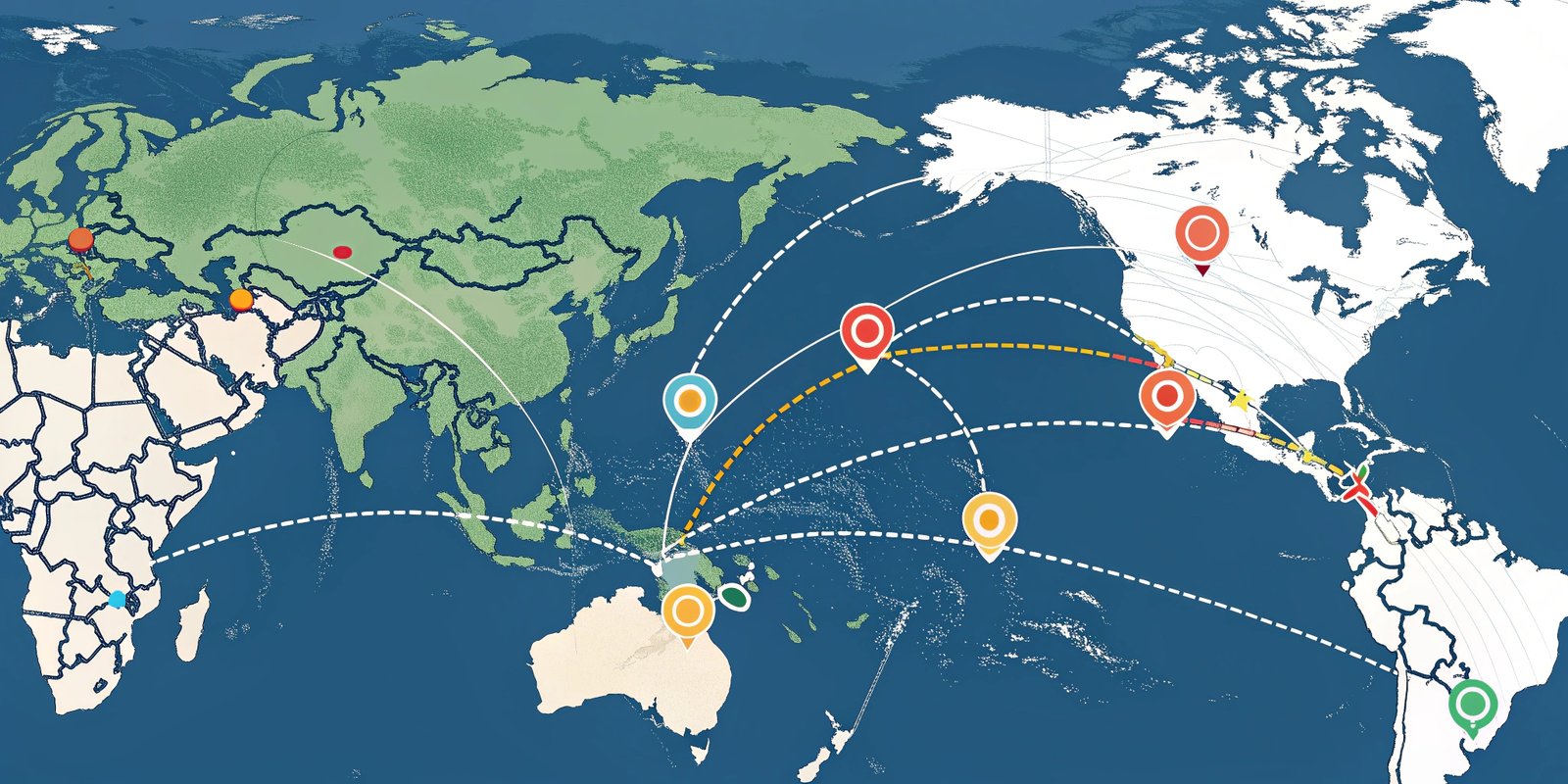
1. Nike’s Global Manufacturing Footprint
Nike sources products from 30+ countries, but its main production hubs are concentrated in several regions.
Core production regions
| Country / Region | Nike’s Purpose | Strength |
|---|---|---|
| Vietnam | Main footwear + apparel production | Skilled labor, stable quality |
| China | Technical fabrics + advanced machinery | High-efficiency factories |
| Indonesia | Footwear + cut-and-sew | Cost-effective & experienced |
| Cambodia | Apparel basics | Large workforce |
| Sri Lanka | Performance & intimate wear | Technical precision |
💬 Nike spreads production across multiple regions to reduce dependency and supply chain risk — a strategy every OEM should consider.
2. How Nike Balances Cost, Quality, and Speed
Nike doesn’t simply choose the cheapest factory.
Instead, it optimizes three critical variables:
- cost
- speed
- quality
Nike’s supply chain balance
| Factor | Nike’s Method | What OEMs Should Copy |
|---|---|---|
| Cost | Multi-region sourcing | Avoid relying on one country |
| Speed | Nearshoring + optimized logistics | Faster response improves brand loyalty |
| Quality | Strict QC + standardized training | Adopt clear SOP systems |
| Innovation | Supplier R&D partnerships | Co-develop fabrics with clients |
💬 OEM factories grow faster when they build systems, not just chase one-off orders.
3. Key Supply Chain Principles OEMs Should Copy
Nike’s manufacturing partners follow several core principles that help maintain consistency across regions.
✔ 1. Diversified Sourcing
Never rely on only one material supplier or production region.
✔ 2. Standardized QC Systems
Nike’s suppliers follow identical Standard Operating Procedures (SOPs) to maintain product consistency.
✔ 3. Long-Term Supplier Partnerships
Nike builds long-term relationships with factories through multi-year contracts and collaborative development.
✔ 4. Digital Forecasting and Planning
Technology such as ERP systems, RFID tracking, and demand modeling allows Nike to forecast production needs accurately.
✔ 5. Quick Reaction Production (QRP)
Nike often produces small test batches first, then scales production once demand is confirmed.
💬 These principles help transform factories into globally competitive OEM partners.
4. How OEMs Can Stay Competitive
To compete with Nike-level suppliers, OEM manufacturers should focus on:
⚡ Fast sampling (3–7 days)
🧪 Fabric testing and performance validation
📦 Reliable lead times and logistics planning
🌍 Sustainable materials and production practices
🤝 Transparent communication with clients
🧵 Flexible MOQs for growing brands
🧠 Proactive problem-solving
💬 Brands remain loyal to factories that solve problems quickly and consistently.
FAQs
Q1: What makes Nike’s supply chain so efficient?
Its combination of diversified sourcing, digital technology, and strong factory partnerships.
Q2: Does Nike only choose low-cost regions?
No. Nike prioritizes regions that provide skill, stability, and production speed, not just low labor costs.
Q3: Can small OEM factories copy Nike’s supply chain model?
Yes. Start with standardized QC systems, fast sampling, and consistent supplier relationships.
Q4: Why does Nike manufacture in so many countries?
To reduce production risk and prevent supply bottlenecks.
Partnering With FuKi Gymwear
If you want to build a supply chain with Nike-level reliability,
👉 FuKi Gymwear can support your brand with:
- fast sampling and low MOQs
- performance fabrics for training and athleisure
- reliable large-scale production
- transparent communication and real-time updates
- sustainable material sourcing options
💬 Strong supply chains create strong brands — and FuKi Gymwear helps you build both.
