
Nike isn’t just a sports brand — it’s a global marketing machine that understands emotion, storytelling, and athlete identity better than almost anyone else. As someone who works with fitness apparel OEM factories, I’ve seen how Nike’s strategy influences how brands launch, scale, and communicate with consumers.
This article breaks down the core marketing tactics that make Nike dominate fitness culture in a simple, structured, SEO-friendly format.
Table of Contents
- Quick Answer
- 1. Nike Builds Emotion-Driven Brand Storytelling
- 2. Athlete Partnerships With Real Cultural Pull
- 3. Content That Feels Fast, Motivational, and Modern
- 4. Product + Marketing Integration
- 5. What Fitness Startups Can Learn From Nike
- FAQs
- Partnering With FuKi Gymwear
Quick Answer
Nike wins with fitness consumers because it blends emotional storytelling, athlete influence, strong social content, and product performance. Its marketing is human, motivational, and built around identity — not just apparel.
From my OEM experience, Nike succeeds because its marketing and product teams move together, reinforcing a single message:
“You can be an athlete.”
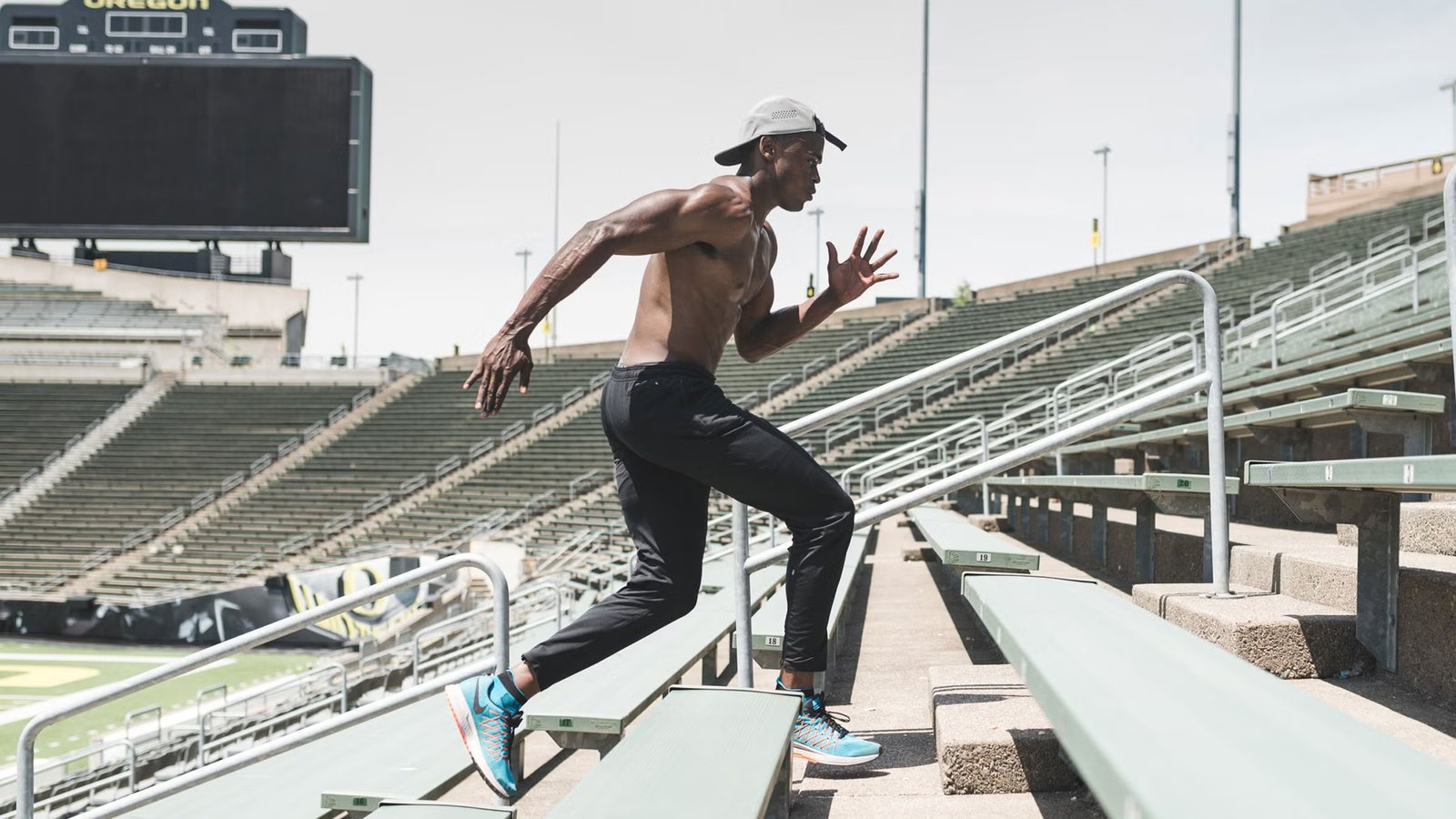
1. Nike Builds Emotion-Driven Brand Storytelling
Nike doesn’t just sell leggings or shoes — it sells belief.
| Strategy | Meaning | Why It Works |
|---|---|---|
| “Just Do It” mindset | Emotion over product | Everyone can identify with it |
| Inclusivity & empowerment | Broad emotional reach | Appeals across many audiences |
| Cultural relevance | Connects to real-world issues | Builds deeper loyalty |
| Hero narratives | Real athletes, real stories | Creates emotional pull |
Nike makes people feel inspired before they even look at a product.
2. Athlete Partnerships With Real Cultural Pull
Nike chooses athletes who shape culture, not just athletes who win.
Why this works
- Long-term identity partnerships, not one-off sponsorships
- Global visibility across sports and entertainment
- Strong community resonance
- Products designed to support the athlete story
From LeBron James to Serena Williams to newer creators, Nike uses athletes as brand storytellers, not just endorsers.
Nike athletes do more than promote products — they embody the values Nike wants consumers to believe in.
3. Content That Feels Fast, Motivational, and Modern
Nike’s content is built for modern attention spans.
Common content formats
- High-energy training clips
- Raw documentary-style visuals
- Short motivational text
- Athlete-focused reels and TikToks
| Content Format | Why It Works |
|---|---|
| Fast action clips | Inspires fitness audiences |
| Documentary visuals | Feels authentic |
| Short captions | Optimized for mobile |
| Social-first videos | Connects with younger users |
Fitness consumers want honest, powerful content — and Nike delivers exactly that.
4. Product + Marketing Integration
Nike’s marketing works because its products support the same message.
| Area | Marketing Message | Product Execution |
|---|---|---|
| Running | “Run your fastest” | Lightweight, responsive shoes |
| Training | “Push beyond limits” | Stretch, durable gym sets |
| Sustainability | “Move to Zero” | Recycled fibers and eco lines |
| Lifestyle | “Sport meets everyday” | Tech fleece and athleisure |
This alignment makes the brand message feel believable.
Nike’s marketing is strong because the product experience backs it up.
5. What Fitness Startups Can Learn From Nike
Key lessons
- Build an emotional identity before running ads
- Use relatable athletes or micro-influencers
- Keep content fast, motivational, and real
- Align product quality with your message
- Work with an OEM that supports innovation
Consumers buy feelings first — but they stay for performance and consistency.
Nike’s real advantage is not just budget. It is the consistency between:
- Message
- Product
- Brand experience
FAQs
Q1: Why do fitness consumers trust Nike more than other brands?
Because Nike’s storytelling feels authentic, empowering, and consistent.
Q2: Is Nike’s marketing expensive?
Yes, but the real power comes from emotional clarity, not just budget.
Q3: Do smaller fitness brands need athletes to succeed?
Not necessarily. Micro-influencers often perform better for niche brands.
Q4: How can new brands compete with Nike?
By being more focused, more personal, and more flexible.
Partnering With FuKi Gymwear
If Nike’s marketing inspires your branding goals, FuKi Gymwear can help you create products that deliver the performance your message promises.
Why brands choose us
- Fast sampling + low MOQ
- Performance fabrics for gym, training, and running
- Sustainable and recycled material options
- Support for influencer collections and limited drops
Marketing sells the story — but great products keep customers coming back.
