
When people think of Nike, they think of innovation. But in recent years, the brand has gone far beyond simple moisture-wicking or compression gear — it’s entering the world of smart fabrics.
As someone who’s worked closely with performance wear OEM factories, I’ve seen how Nike’s use of data-driven textiles is reshaping what “activewear technology” means.
Let’s explore how Nike integrates smart materials, how it compares to other brands, and what new fitness startups can learn from this next-gen approach.
Table of Contents
- Quick Answer
- 1. What Are Smart Fabrics in Activewear?
- 2. How Nike Integrates Smart Textiles Into Its Designs
- 3. Key Examples of Nike’s Smart Fabric Innovations
- 4. Comparison: Nike vs Other Smart Activewear Brands
- 5. What Small Brands Can Learn From Nike’s Innovation Model
- FAQs
- Partnering with FuKi Gymwear for Smart Performance Apparel
Quick Answer
✅ Nike integrates smart fabrics by combining sensor technology, thermoregulation, and responsive materials into its performance lines.
From self-cooling fibers to pressure-mapping textiles, Nike is turning workout wear into a data-driven experience.
💬 From my experience in OEM manufacturing, these innovations are not futuristic concepts — they’re being tested in real factories today, often blending poly-spandex bases with embedded conductive yarns.
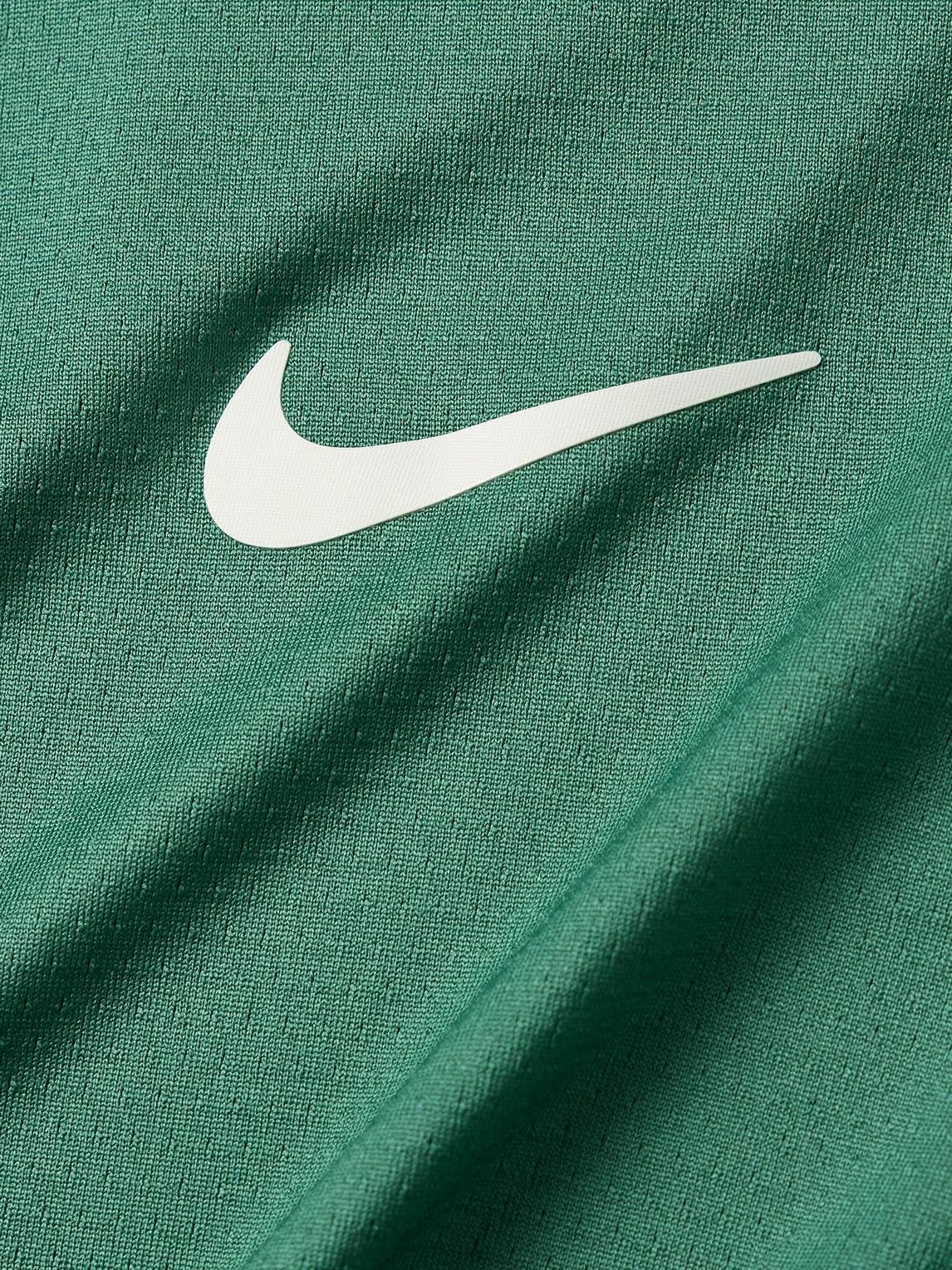
1. What Are Smart Fabrics in Activewear?
“Smart fabrics” are materials that respond to the body or environment — like temperature, sweat, or movement.
In sportswear, they bridge fashion, function, and technology.
| Fabric Type | Function | Example Use |
|---|---|---|
| Moisture-responsive | Adapts breathability as you sweat | Training tops |
| Thermo-reactive | Regulates heat using phase-change polymers | Jackets & base layers |
| Conductive fabrics | Embedded sensors for movement tracking | Compression wear |
| Bio-monitoring textiles | Detect heart rate or muscle activity | Smart undershirts |
💬 In OEM production, smart fabrics often start as polyester or nylon blends, then gain smart capability through nanotech coating or conductive weaving.
2. How Nike Integrates Smart Textiles Into Its Designs
Nike’s approach isn’t about gadgets sewn into clothing — it’s about invisible intelligence built into the fiber itself.
- ⚙️ Collaboration with research labs – Nike partners with MIT and textile engineers for new material testing.
- 🌡️ Thermal mapping – Data from athletes helps identify sweat and heat zones for fabric zoning.
- 💧 Embedded micro-sensors – Used in prototypes to track movement and exertion levels.
- 🧵 Smart layering – Different zones use various knit densities for breathability and muscle support.
💬 In factories that I’ve toured, some of these developments rely on computerized circular knitting, the same machinery available to high-end OEMs like FuKi Gymwear.
3. Key Examples of Nike’s Smart Fabric Innovations
| Product / Project | Technology Used | Function | Launch Insight |
|---|---|---|---|
| Nike Adapt BB | Self-lacing system with pressure sensors | Adjusts fit automatically | Basketball innovation |
| Nike AeroAdapt | Moisture-reactive vents | Opens airflow as you sweat | Running apparel |
| Nike AeroReact | Temperature-sensitive yarns | Balances body temperature | Training tops |
| Nike Tech Pack | 3D-engineered knit fabrics | Dynamic comfort | Lifestyle-performance crossover |
| Future Concepts Lab | AI + fabric testing | Smart data fabrics | Under research |
💬 Nike’s model mixes data analytics and material design — every innovation begins with athlete feedback and performance testing.
4. Comparison: Nike vs Other Smart Activewear Brands
| Brand | Smart Fabric Focus | Tech Partnership | Market Use |
|---|---|---|---|
| Nike | Adaptive, self-regulating fabrics | MIT, AiQ Smart Clothing | Running, training |
| Adidas | E-textiles for performance tracking | Google Jacquard | Footwear & apparel |
| Under Armour | Recovery-focused fabrics | Celliant® technology | Sleep & recovery gear |
| Lululemon | Mind-body tracking concepts | Mirror & biometrics | Yoga & lifestyle |
| FuKi Gymwear OEM | Custom smart-blend fabrics | Sensor-ready textile options | Private-label brands |
💬 Insight: Nike leads in usability — its goal isn’t “tech for tech’s sake,” but seamless integration that enhances comfort and performance.
5. What Small Brands Can Learn From Nike’s Innovation Model
✅ Start simple: Begin with smart moisture or temperature-reactive fabrics before adding sensors.
✅ Use modular design: Make pieces adaptable for various workouts.
✅ Collaborate with your OEM: Technical success depends on precision knitting and testing.
✅ Focus on comfort: Tech should enhance, not distract from, the experience.
💬 I’ve worked with brands that over-engineered “smart” clothing — the best results come when tech feels invisible.
FAQs
Q1: What makes Nike’s fabrics “smart”?
They use responsive materials that adapt to body heat, sweat, or movement for comfort and performance.
Q2: Does Nike use AI in fabric design?
Yes — Nike integrates AI and data analysis to refine fit, material placement, and temperature mapping.
Q3: Are these fabrics available for small brands?
Not directly — but OEM suppliers like FuKi Gymwear can offer similar smart-fabric solutions.
Q4: Do smart fabrics require charging?
Most Nike designs don’t — they use passive systems like thermal or moisture-reactive yarns instead of electronics.
Partnering with FuKi Gymwear for Smart Performance Apparel
If Nike’s smart fabric strategy inspires you to create next-generation workout wear,
👉 FuKi Gymwear can help you bring it to life.
Why brands choose us:
- ⚙️ Smart textile integration — conductive yarns, reactive coatings, and seamless knit construction.
- 🧵 Low-MOQ OEM & ODM production for performance brands.
- 🌿 Eco & tech-ready materials (RPET, nylon spandex, bamboo).
- 🚀 Design-to-production support — from concept sampling to global delivery.
💬 Smart fabrics are the future of fitness apparel — but innovation starts with the right manufacturing partner.
