
If you’ve ever bought Nike leggings or training shorts, you’ve probably noticed that the label often says “Made in Vietnam,” “Made in China,” or “Made in Indonesia.”
As someone who’s worked with activewear OEM factories, I’ve always been curious — where does Nike really make its performance gear, and why in so many countries?
Let’s break it down in simple terms: Nike’s manufacturing is a global network built on efficiency, expertise, and scale. Here’s how it works — and what brands can learn from it.
Table of Contents
- Quick Answer
- 1. Nike’s Global Manufacturing Map
- 2. Why Nike Produces in Multiple Countries
- 3. Ethical and Sustainability Practices
- 4. Comparison: Nike vs Other Performance Brands
- 5. What Small Brands Can Learn From Nike’s Model
- FAQs
- Partnering with FuKi Gymwear for Global Manufacturing
Quick Answer
✅ Nike manufactures its performance gear across Asia, South America, and parts of Europe, mainly in Vietnam, China, Indonesia, and Thailand, with growing production in India and Mexico.
These countries specialize in sportswear textiles, seamless knitting, and large-scale OEM production — offering Nike flexibility and speed to meet global demand.
💬 From my experience working with OEM suppliers, this model isn’t about cheap labor — it’s about expertise and logistics optimization.
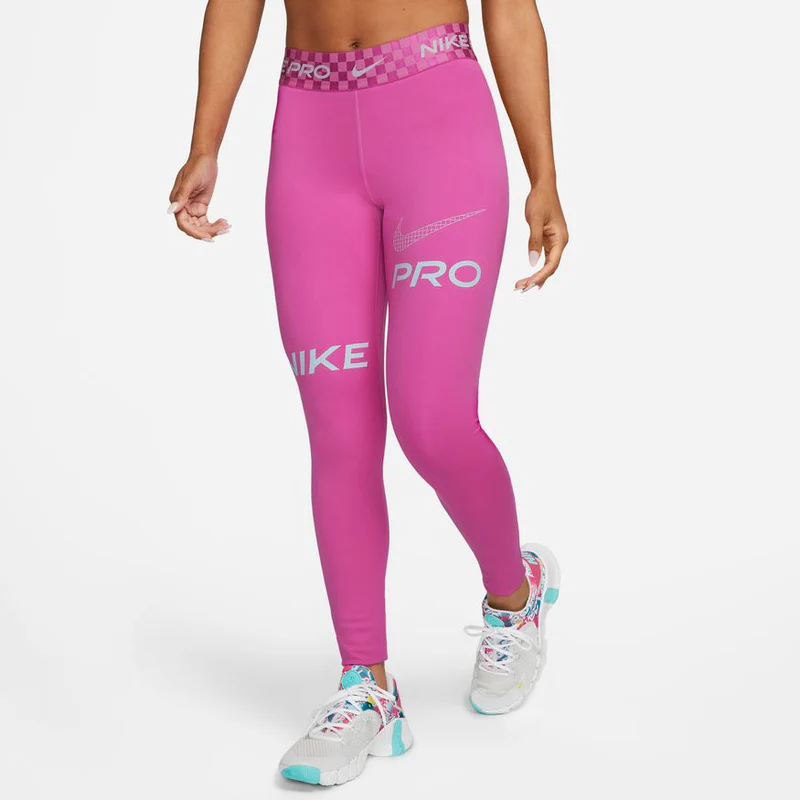
1. Nike’s Global Manufacturing Map
Nike doesn’t own most of its factories — it works with contract manufacturers in more than 30 countries.
Here’s a simplified breakdown of where their main categories are made:
| Region | Main Products | Key Countries | Notes |
|---|---|---|---|
| Southeast Asia | Footwear, leggings, performance wear | Vietnam, Indonesia, Thailand | Accounts for over 40% of Nike’s total production |
| East Asia | Tech fabrics, accessories | China | Transitioning from mass to specialized production |
| South Asia | Knitwear, compression gear | India, Sri Lanka | Growing due to sustainability initiatives |
| South America | Regional sportswear | Brazil, Mexico | Shorter shipping routes for American markets |
| Europe (limited) | Lifestyle apparel | Turkey, Italy | Used for premium/luxury collaborations |
💬 In Vietnam factories I’ve visited, Nike’s suppliers use advanced circular knitting machines for seamless leggings — similar to what FuKi Gymwear offers brands under OEM contracts.
2. Why Nike Produces in Multiple Countries
Nike’s supply chain strategy is about balance — quality, capacity, and cost.
- 🌏 Diversification: Reduces dependency on one country and spreads risk.
- ⚙️ Specialization: Each region focuses on specific product types (e.g., footwear in Vietnam, apparel in China).
- 🚀 Speed-to-market: Regional hubs allow faster delivery to different markets.
- ♻️ Sustainability goals: Moving toward recycled fabrics and cleaner dyeing technologies globally.
💬 Lesson for small brands: You don’t need 20 factories — you just need the right partner with versatile sourcing. That’s how Nike scales without losing quality.
3. Ethical and Sustainability Practices
Nike faced criticism in the 1990s for labor practices — but since then, it’s become one of the most transparent global brands.
| Focus Area | Nike’s Actions | Outcome |
|---|---|---|
| Labor Standards | Publishes factory lists and audits | Public accountability |
| Sustainability | “Move to Zero” carbon + waste program | Reduces emissions |
| Material Innovation | Recycled polyester, Flyleather, eco dyes | Lower footprint |
| Community Investment | Local employee programs | Supports regional economies |
💬 I’ve seen similar ethical initiatives in certified OEM facilities — like those at FuKi Gymwear, which operate under BSCI and WRAP certifications, ensuring fair production.
4. Comparison: Nike vs Other Performance Brands
| Brand | Manufacturing Base | Strength | Sustainability Focus |
|---|---|---|---|
| Nike | Vietnam, Indonesia, China | Global scale, innovation | “Move to Zero” program |
| Adidas | China, Vietnam, Cambodia | High-volume production | Recycled ocean plastics |
| Under Armour | Vietnam, Jordan, Malaysia | Compression wear expertise | Ethical transparency |
| Lululemon | China, Vietnam, Sri Lanka | Premium yoga apparel | Supplier traceability |
| FuKi Gymwear OEM | China, Vietnam | Low-MOQ, technical fabrics | Eco-friendly OEM options |
💬 Insight: Nike leads with global coordination — while newer brands win by offering flexibility and niche expertise.
5. What Small Brands Can Learn From Nike’s Model
✅ Benchmark their system — but adapt it.
- Start with one or two reliable OEMs in Asia.
- Use performance-tested fabrics instead of chasing low cost.
- Implement sustainability from day one — it builds long-term trust.
- Focus on clear communication with factories; Nike’s strength is its structure, not just scale.
💬 I’ve helped startups use the same principles — flexible sourcing, tech-driven materials, and consistent quality checks — to build trustworthy brands.
FAQs
Q1: Where are most Nike clothes made?
Mostly in Vietnam, China, and Indonesia — regions specializing in activewear production.
Q2: Does Nike own its factories?
No. Nike partners with independent, certified suppliers under strict quality and ethical standards.
Q3: Are Nike factories sustainable?
Yes, many use renewable energy and water-efficient dyeing processes under the Move to Zero initiative.
Q4: Can small brands use similar factories?
Yes — OEMs like FuKi Gymwear work with smaller brands using similar equipment and materials as global names.
Partnering with FuKi Gymwear for Global Manufacturing
If you’re inspired by Nike’s manufacturing success but want a more personalized, sustainable approach,
👉 FuKi Gymwear can help you establish global production channels with trusted suppliers.
Why choose us:
- 🌍 Factories in China and Vietnam for activewear, sportswear, and yoga lines.
- 🧵 Low-MOQ OEM & ODM solutions for emerging brands.
- ♻️ Eco-certified materials — RPET, recycled nylon, bamboo blends.
- 🪡 Transparent process — from fabric sourcing to packaging.
💬 Nike built a global supply network over decades — you can start yours today with FuKi Gymwear OEM services.
