
Walk into any gym or scroll through social media, and one logo still rules the scene — Nike.
But with so many new performance and athleisure brands out there, why does Nike continue to dominate?
As someone who’s worked with sportswear OEM manufacturers, I’ve spent years studying how Nike blends innovation, emotion, and marketing to stay ahead. Here’s the breakdown of why the swoosh still wins — and what emerging brands can learn from it.
Table of Contents
- Quick Answer
- 1. The Real Reasons Nike Still Leads Activewear
- 2. Nike’s Product & Fabric Innovation
- 3. The Branding Power Behind Nike
- 4. Comparing Nike With Other Activewear Brands
- 5. Who Should Choose Nike (and Who Shouldn’t)
- FAQs
- Partnering with FuKi Gymwear for Performance Collections
Quick Answer
✅ Nike dominates the activewear industry because it perfectly combines performance innovation, emotional branding, and a lifestyle identity that transcends sport.
Its proprietary fabrics like Dri-FIT and Flyknit, its athlete partnerships, and its global community model keep it relevant across generations.
If you’re planning to build your own performance-focused line, FuKi Gymwear helps brands recreate Nike’s success through custom fabrics, tech innovation, and OEM solutions.
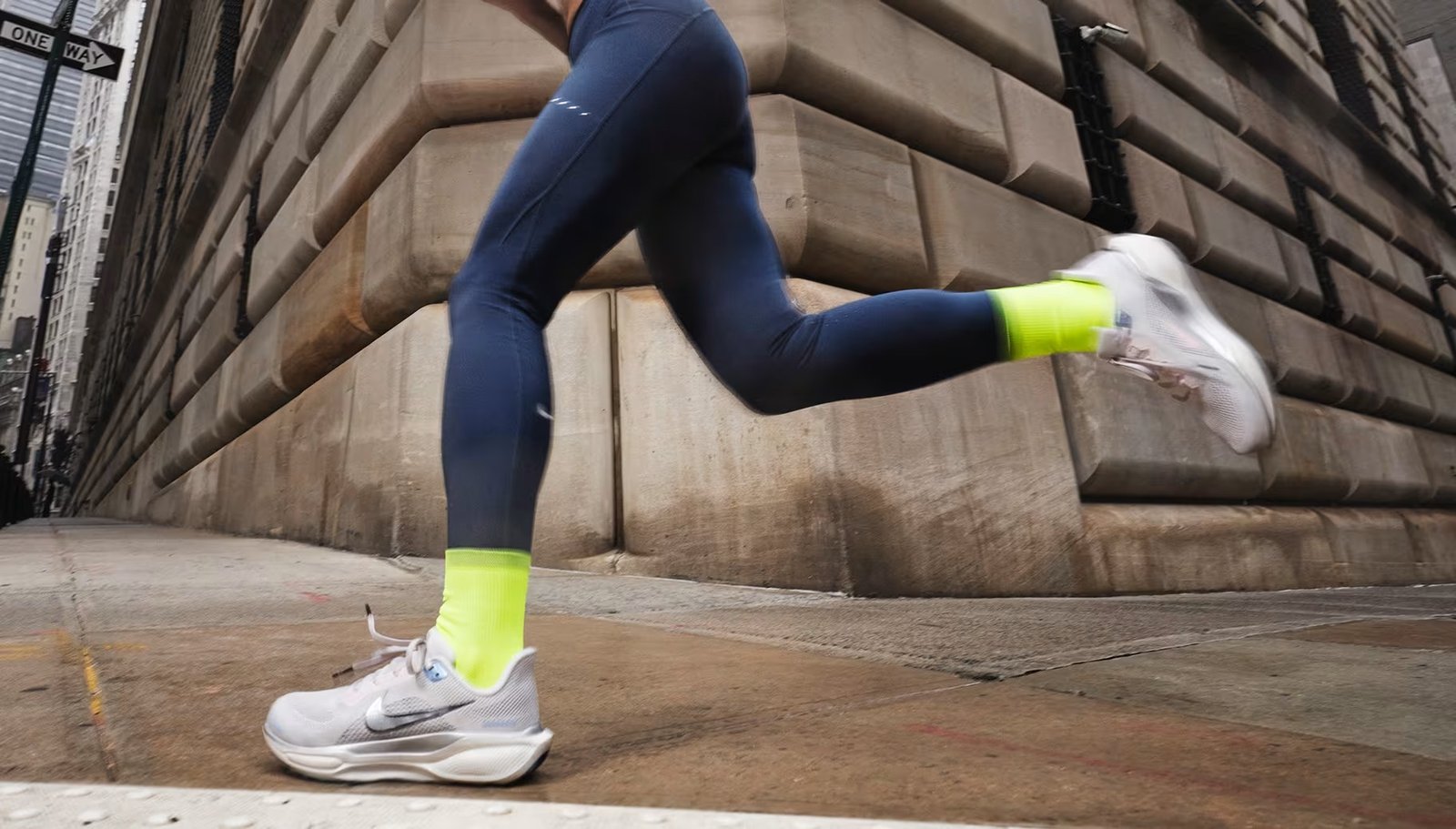
1. The Real Reasons Nike Still Leads Activewear
Nike’s power isn’t about luck — it’s about systems that work across time, technology, and emotion.
- ⚙️ Consistent product innovation — Nike invests heavily in R&D, launching new materials every year.
- 🌍 Emotional storytelling — From “Just Do It” to athlete narratives, Nike connects to ambition and identity.
- 🧠 Global ecosystem — Apps, memberships, and brand communities deepen loyalty.
- ♻️ Sustainability push — Recycled materials, reduced carbon footprint, and transparency in supply chain.
💬 From a production viewpoint, Nike’s success lies in testing — every new fabric or fit is validated through real athlete trials before global rollout.
2. Nike’s Product & Fabric Innovation
Nike’s technology-led design is its backbone. The company continuously redefines performance through smart textiles and data-backed fit systems.
| Technology | Composition | Benefit | Ideal Use |
|---|---|---|---|
| Dri-FIT™ | Polyester microfiber | Moisture-wicking and quick-drying | Training, running |
| Flyknit™ | Engineered knit yarn | Lightweight, breathable, and form-fitting | Footwear & apparel |
| AeroLoft™ | Nylon with down fill | Insulated but breathable | Outdoor workouts |
| Nike Pro™ | Recycled stretch polyester | Compression & muscle support | Intense training |
| Sustainable Materials | RPET, organic cotton | Reduced waste and carbon | Everyday wear |
💬 In OEM manufacturing, similar functions can be achieved through recycled nylon blends or warp-knit spandex — which FuKi Gymwear offers for brands seeking sustainable performance lines.
3. The Branding Power Behind Nike
Nike’s dominance extends beyond performance gear — it’s a cultural statement.
| Element | Example | Impact |
|---|---|---|
| Slogan Power | “Just Do It” since 1988 | Universal motivation & identity |
| Athlete Endorsements | LeBron James, Serena Williams | Builds emotional credibility |
| Community Building | Nike Run Club, Training App | Engages loyal users |
| Cultural Collaboration | Nike x Off-White, Nike x Sacai | Connects sport and fashion |
💬 Observation: Nike doesn’t just sell clothes — it sells self-belief. That’s what modern consumers crave, and what brands must learn to embed into design and messaging.
4. Comparing Nike With Other Activewear Brands
| Brand | Core Strength | Fabric Feel | Price Range | Ideal For |
|---|---|---|---|---|
| Nike | Innovation + culture | Sleek, adaptive | $60–$180 | Performance & lifestyle |
| Adidas | Eco-leadership | Smooth compression | $50–$160 | Sustainability-focused users |
| Under Armour | High-tech performance | Cool, firm | $40–$120 | Training & sports |
| Lululemon | Premium yoga-tech | Buttery soft | $80–$160 | Studio to street |
| FuKi Gymwear OEM | Custom technical blends | Adjustable | Flexible | Private label creators |
💬 Insight: Nike’s hybrid identity — both athletic and aspirational — keeps it ahead. Other brands lead in niches, but Nike covers every segment from pro sports to street fashion.
5. Who Should Choose Nike (and Who Shouldn’t)
✅ Nike is perfect for you if:
- You want gear that performs and looks stylish.
- You follow an active lifestyle and value brand legacy.
- You’re inspired by global sports culture.
🚫 Maybe not ideal if:
- You’re budget-conscious and prefer affordable basics.
- You want a unique brand identity, not mainstream.
- You plan to start your own label (→ try FuKi Gymwear OEM instead).
FAQs
Q1: Why does Nike stay ahead of competitors?
Because Nike combines R&D, emotional marketing, and social impact into one consistent strategy.
Q2: Is Nike sustainable?
Partially — Nike is using more recycled materials but still improving on full supply-chain sustainability.
Q3: Are Nike products worth the price?
Yes — due to long-term durability, performance comfort, and style relevance.
Q4: What can small brands learn from Nike?
Focus on storytelling + innovation, not just design. Partner with OEMs that understand both performance and identity.
Q5: Where can I develop similar activewear?
At FuKi Gymwear — offering low-MOQ OEM production and custom technical fabrics.
Partnering with FuKi Gymwear for Performance Collections
If you’re inspired by Nike’s dominance and want to create your own functional-yet-fashionable activewear,
👉 FuKi Gymwear helps brands achieve the same synergy between tech and design.
Why choose us:
- ⚙️ Custom technical fabrics (nylon spandex, recycled RPET, mesh).
- 🧵 Low-MOQ OEM & ODM support for startups.
- 🌿 Certified ethical factories (BSCI, WRAP).
- 🚀 Performance-level finishing — compression, sweat-wicking, brushed soft-touch.
💬 Nike built its empire on consistent innovation. You can, too — with the right manufacturing partner.
