
If you’ve ever checked the label on your Lululemon leggings or yoga tops, you might be surprised to find that they’re not made in Canada — despite Lululemon being a Canadian brand.
As someone working in the activewear manufacturing industry, I’ve studied their supply chain closely. Let’s explore where Lululemon garments are made, why that matters for quality, and what smaller brands can learn from their global model.
Table of Contents
- Lululemon’s Global Manufacturing Strategy
- Top Countries Where Lululemon Produces Its Garments
- How Lululemon Balances Quality and Cost
- Lululemon’s Fabric Innovation and Supplier Network
- Ethical and Sustainable Manufacturing Practices
- Comparison: Lululemon vs Other Activewear Brands
- Key Lessons for Emerging Activewear Brands
- FAQs
- About FuKi Gymwear – Custom Activewear Manufacturer
1. Lululemon’s Global Manufacturing Strategy
While Lululemon was founded in Vancouver, its products are globally produced.
Like most performance brands, it doesn’t own factories. Instead, it partners with independent, high-end manufacturers who meet strict technical and ethical standards.
🧠 Lululemon’s approach focuses on quality control, flexibility, and scalability.
Their factories specialize in:
- High-stretch technical fabrics (e.g., Nulu™, Everlux™, Luxtreme™)
- Seamless knitting and laser cutting
- Sustainable dyeing and finishing
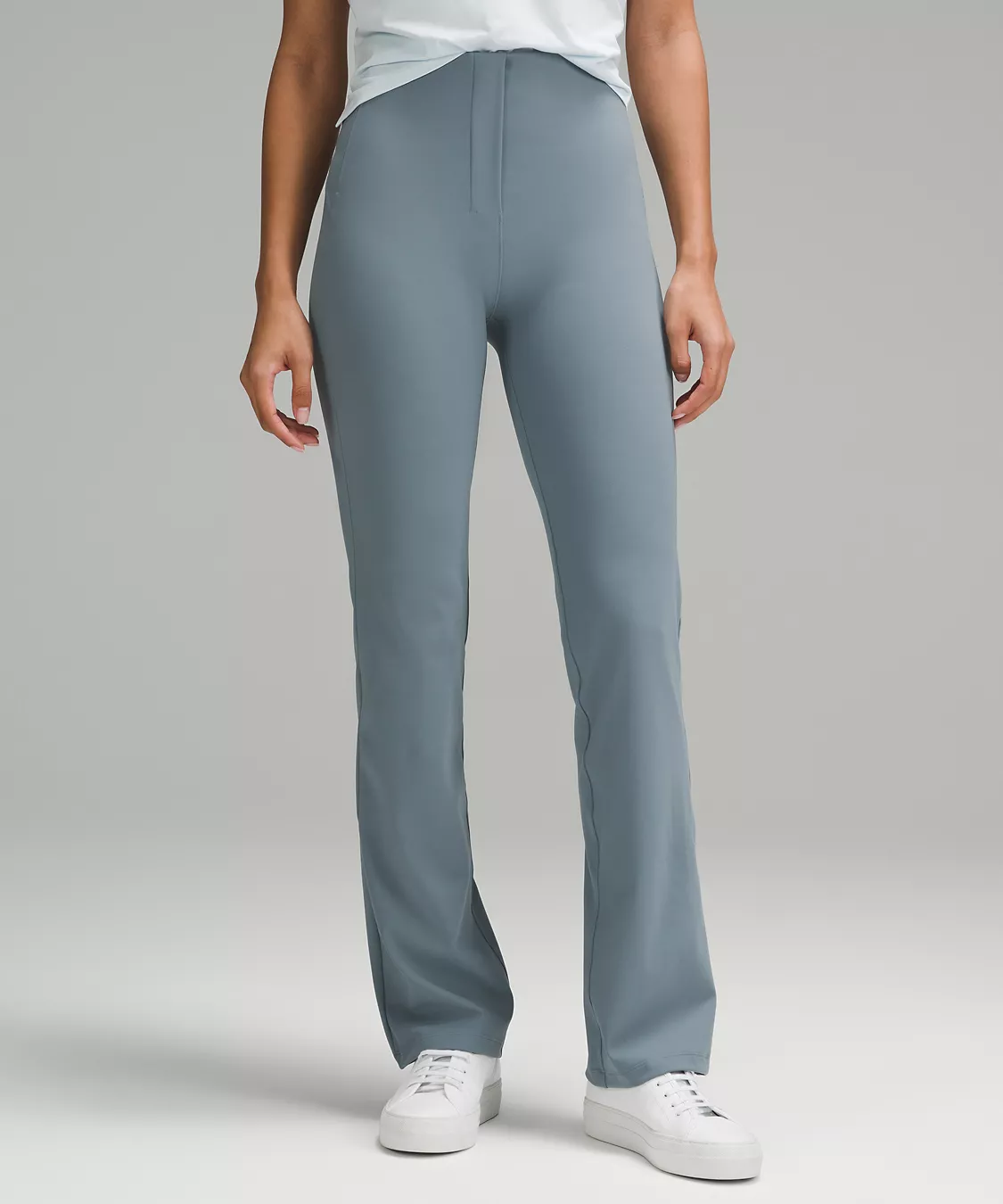
This model helps Lululemon control both innovation and ethical responsibility without inflating costs.
2. Top Countries Where Lululemon Produces Its Garments
Lululemon sources from more than 26 countries worldwide.
Most of its activewear comes from Asia, where high-performance fabric technology has developed rapidly.
| Region | Major Countries | Key Products |
|---|---|---|
| Southeast Asia | Vietnam, Indonesia, Cambodia, Thailand | Yoga pants, sports bras, leggings |
| South Asia | Sri Lanka, Bangladesh, India | Seamless wear, tanks, underwear |
| East Asia | China, Taiwan | Technical fabrics, outerwear |
| Americas | Peru, USA | Small-scale knitwear and specialty items |
💡 Over 60% of Lululemon apparel is made in Vietnam and Sri Lanka — both known for premium sportswear craftsmanship.
3. How Lululemon Balances Quality and Cost
Lululemon’s model prioritizes “premium consistency” over cheap mass production.
They choose factories that can achieve:
- Consistent four-way stretch
- Precision stitching and fabric recovery
- High colorfastness and opacity for yoga leggings
Instead of low-cost suppliers, they work with certified manufacturing partners that ensure durability and fit.
🧵 As an OEM manufacturer myself, I can confirm — the fabrics and finishing used by Lululemon are often two to three times more expensive than typical gymwear materials.
4. Lululemon’s Fabric Innovation and Supplier Network
Lululemon collaborates closely with textile mills in Taiwan and Japan, where most of their signature fabrics are developed.
| Fabric Name | Origin | Function |
|---|---|---|
| Nulu™ | Taiwan | Ultra-soft, lightweight stretch for yoga |
| Luxtreme™ | Japan | Cool-touch compression for high intensity |
| Everlux™ | Vietnam | Fast-drying for studio-to-street wear |
| Swift™ | China | Lightweight outerwear material |
Their commitment to proprietary fabric development is what differentiates them from fast-fashion competitors.
5. Ethical and Sustainable Manufacturing Practices
Lululemon enforces a strict Vendor Code of Ethics, covering:
- Fair labor and wages
- Energy and water conservation
- Chemical management and waste reduction
They’ve also joined initiatives like:
- Higg Index for sustainability measurement
- Fair Labor Association (FLA) for supply chain audits
- Move to 100% renewable energy in key factories by 2030
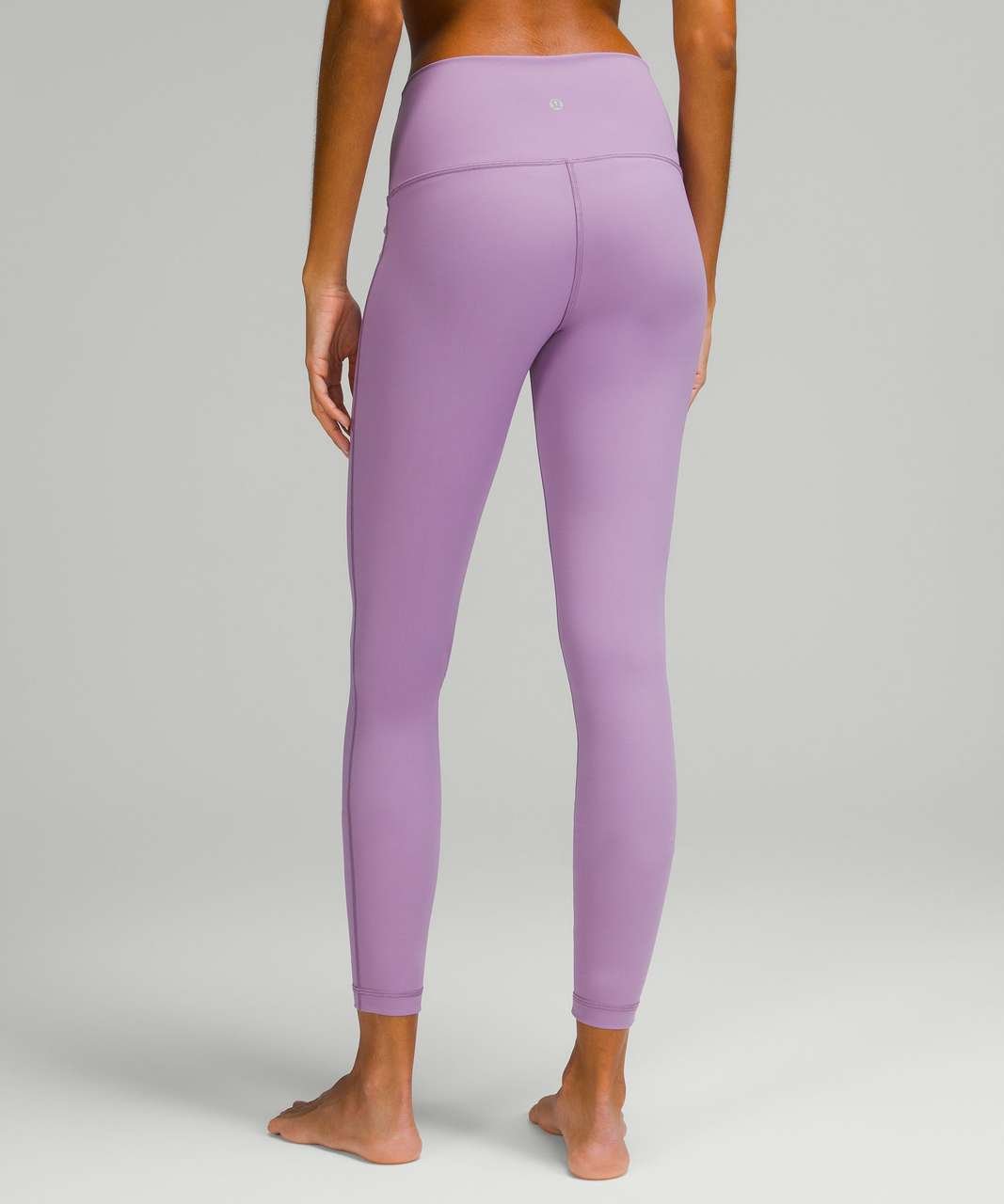
🌱 The company’s sustainability drive is not just a PR angle — it’s embedded into sourcing strategy.
6. Comparison: Lululemon vs Other Activewear Brands
| Brand | Production Focus | Key Regions | Strength |
|---|---|---|---|
| Lululemon | Premium yoga & training wear | Vietnam, Sri Lanka, China | Innovation + Sustainability |
| Nike | Mass global production | Vietnam, Indonesia, China | Scale + R&D |
| Under Armour | Technical compression wear | China, Jordan | Performance focus |
| FuKi Gymwear | Custom OEM & ODM | China, Vietnam | Flexibility + Low MOQ |
📊 Lululemon wins on premium materials and ethical image — not just price.
7. Key Lessons for Emerging Activewear Brands
Here’s what smaller or private-label brands can learn from Lululemon’s playbook:
- Choose factories with fabric expertise, not just sewing ability.
- Invest in textile R&D — material innovation drives brand identity.
- Be transparent about production origins; customers value honesty.
- Scale smartly, prioritizing quality and brand trust over rapid expansion.
At FuKi Gymwear, we help brands implement this same model — from fabric sourcing to ethical OEM manufacturing.
8. FAQs
Q1: Are Lululemon clothes made in Canada?
Not anymore — while the brand was founded in Vancouver, nearly all garments are produced in Asia.
Q2: Which country makes the best Lululemon leggings?
Vietnam and Sri Lanka are known for the highest-quality production, especially for yoga pants.
Q3: Does Lululemon own its factories?
No, they partner with independent, audited factories to maintain flexibility and compliance.
9. About FuKi Gymwear – Custom Activewear Manufacturer
At FuKiGymwear.com, we help brands build premium-quality yoga and fitness apparel inspired by global leaders like Lululemon.
Our OEM/ODM services include:
- Custom fabric development (Nulu-style, Luxtreme-style materials)
- Low MOQ (100 pcs) for startups and boutique labels
- Seamless production and private labeling
- Sustainable dyeing, packaging, and global shipping
Learn more:
