
In 2025, the line between performance wear and casual fashion has nearly disappeared — and Nike is leading this transformation.
The global athleisure market is projected to exceed $570 billion by 2025, driven by comfort, versatility, and sustainable innovation.
As someone deeply involved in activewear manufacturing, I’ve seen how Nike’s strategy blends design, data, and lifestyle appeal — setting a blueprint other brands (and OEMs like FuKi Yoga) can follow.
Table of Contents
- Quick Answer
- 1. The Rise of the 2025 Athleisure Trend
- 2. How Nike Is Blending Sport and Lifestyle
- 3. Sustainability and Material Innovation
- 4. Digital Customization and Direct-to-Consumer Growth
- 5. What Other Brands Can Learn from Nike’s Adaptation
- FAQs
- FuKi Yoga: Supporting Sustainable Athleisure OEM Solutions
Quick Answer
✅ Nike is adapting to the 2025 athleisure trend by fusing sport performance with lifestyle design, expanding sustainable collections, and leveraging digital customization.
Its focus is no longer just on athletic performance — it’s on how people live, move, and express themselves every day.
1. The Rise of the 2025 Athleisure Trend
Athleisure has evolved beyond yoga studios and gyms.
In 2025, consumers want multi-purpose apparel that transitions from work to workout — without compromising on aesthetics or comfort.
| Trend Driver | Consumer Expectation | Brand Response |
|---|---|---|
| Remote work & hybrid lifestyles | Comfort + professional look | Minimalist performance wear |
| Climate awareness | Recycled materials | Sustainable innovation |
| Gender-neutral design | Unisex fits | Inclusive silhouettes |
| Smart textiles | Tech-enhanced fabrics | Intelligent fabric integration |
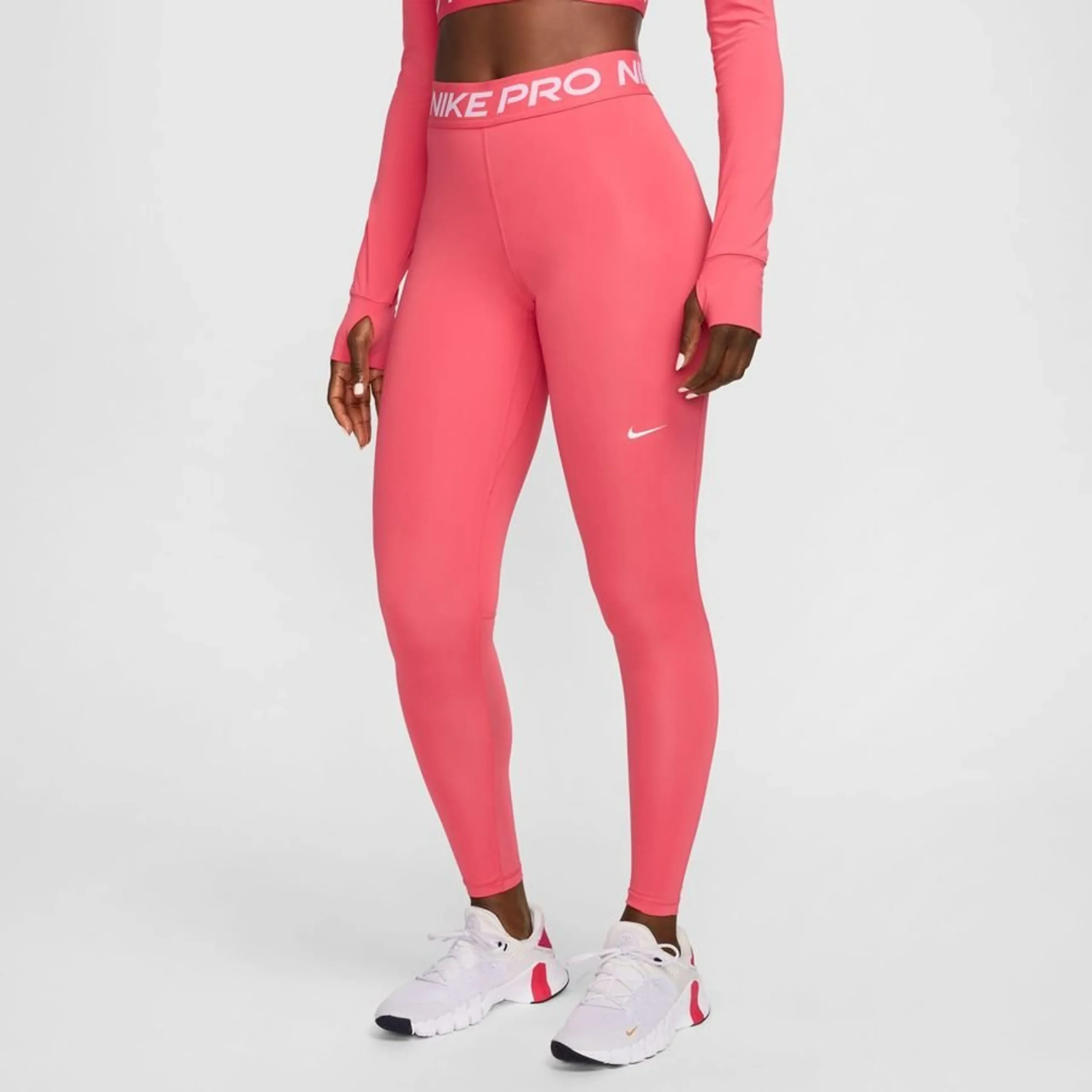
💬 From my manufacturing experience, brands that merge form and function — like Nike — dominate this new hybrid market.
2. How Nike Is Blending Sport and Lifestyle
Nike has repositioned itself from a performance-first company to a lifestyle innovation brand.
Their latest collections — like Nike Sportswear Tech Fleece and Nike Yoga Luxe — are perfect examples of this evolution.
Nike’s athleisure design principles:
- Functional tailoring: stretchable, adaptive fits for all-day wear.
- Neutral palettes: soft tones and minimalist logos for casual appeal.
- Seamless construction: engineered comfort and elegance.
- Gender-fluid designs: inclusivity as a design standard.
🎯 The insight: Nike understands that comfort is no longer optional — it’s a lifestyle.
3. Sustainability and Material Innovation
Nike’s Move to Zero initiative drives its athleisure development.
By 2025, over 80% of Nike apparel will include recycled or organic materials.
| Material | Source | Benefit |
|---|---|---|
| Nike Forward Fabric | Low-energy nonwoven process | Reduces carbon footprint |
| Recycled Polyester (RPET) | Plastic bottle upcycling | High-performance stretch |
| Organic Cotton Blends | Eco farming | Soft, breathable comfort |
| Regen Foam | Recycled EVA | Sustainable cushioning |
🌱 Similar principles guide us at FuKi Yoga, where we develop RPET, bamboo, and bio-based fabrics for next-gen yoga and athleisure brands.
4. Digital Customization and Direct-to-Consumer Growth
Nike’s digital transformation ensures personalization at scale.
Its Nike By You program lets consumers co-create designs, while Nike App and SNKRS platforms merge retail with real-time data insights.
Key strategies Nike uses in 2025:
- AI-driven size and fit recommendations.
- On-demand 3D printing for personalized products.
- Digital twin technology for virtual sampling.
- Data-informed restock cycles reducing waste.
📦 Lesson for manufacturers: digitalization isn’t a trend — it’s a survival tool.
At FuKi Yoga, we help brands adopt similar data-based production for faster, waste-free operations.
5. What Other Brands Can Learn from Nike’s Adaptation
Nike’s athleisure evolution offers valuable takeaways for private labels and OEM factories:
| Lesson | Practical Application |
|---|---|
| Design for versatility | Create garments usable in gym, travel, and daily life. |
| Embrace digital sampling | Reduce cost and shorten development cycles. |
| Build emotional branding | Tell real stories — not just product specs. |
| Invest in sustainability | Consumers pay more for eco values. |

💬 From an OEM perspective: blending innovation with lifestyle relevance is key to long-term brand success.
FAQs
Q1: Is Nike moving away from sports performance?
No — it’s expanding beyond performance into lifestyle without losing athletic credibility.
Q2: How does Nike compete in the crowded athleisure market?
Through innovation, digital retail, and strong emotional branding.
Q3: Are Nike’s 2025 collections fully sustainable?
Not yet — but over 80% use recycled or low-impact materials.
Q4: Can small brands adopt similar practices?
Yes. OEMs like FuKi Yoga offer sustainable material sourcing and small-batch production for emerging brands.
FuKi Yoga: Supporting Sustainable Athleisure OEM Solutions
At FuKi Yoga, we help brands bring the athleisure philosophy to life — combining comfort, sustainability, and design.
Our OEM services include:
- 🧵 Seamless activewear & yoga sets for lifestyle use
- ♻️ Eco-performance fabrics (recycled nylon, bamboo, RPET)
- 🧬 Custom patterns and logo design for brand identity
- 🌍 Low-MOQ ethical production under BSCI & OEKO-TEX
- 🚀 Global shipping and private labeling support
We help brands merge style, performance, and conscience — just like Nike, but on a scalable, accessible level.
👉 Learn more: fukiyoga.com/service/quality-control/
