
Have you ever wondered where Nike manufactures its training gear — those performance T-shirts, leggings, and hoodies that dominate gyms worldwide?
As someone who works in OEM activewear manufacturing, I’ve closely followed Nike’s global production model to understand how they balance quality, cost, and sustainability.
Let’s explore where Nike’s training gear is made, what materials they use, and what other brands (or private labels) can learn from their strategy.
Table of Contents
- Nike’s Global Production Footprint
- Top Countries Where Nike Manufactures Training Gear
- How Nike Balances Cost and Quality
- Nike’s Commitment to Ethical and Sustainable Production
- Fabric Technology and Material Sourcing
- Nike vs Other Activewear Manufacturing Models
- What Smaller Brands Can Learn from Nike’s Supply Chain
- FAQs
- About FuKi Gymwear – Custom Activewear Manufacturer
1. Nike’s Global Production Footprint
Nike doesn’t own most of its factories — it relies on a vast network of independent manufacturing partners across Asia and Latin America.
As of 2025, Nike products are made in over 35 countries, with Asia leading the way in apparel production.
| Region | Main Function | Example Countries |
|---|---|---|
| Southeast Asia | Apparel and footwear | Vietnam, Indonesia, Thailand |
| South Asia | Knitwear and cotton fabrics | India, Sri Lanka, Bangladesh |
| China | Technical fabrics & innovation hubs | China, Taiwan |
| Americas | Limited production + distribution | Mexico, Brazil |
💡 This global spread allows Nike to minimize risk, lower costs, and adapt quickly to demand.
2. Top Countries Where Nike Manufactures Training Gear
Nike’s training apparel (tops, shorts, leggings) primarily comes from these countries:
- Vietnam – Nike’s largest production hub for activewear and footwear.
- China – Specializes in technical fabrics, advanced knitwear, and R&D.
- Indonesia – Strong in polyester and spandex blends used for Dri-FIT gear.
- Sri Lanka – Known for women’s performance wear and seamless construction.
- Bangladesh – Focused on cost-efficient, high-volume training apparel.
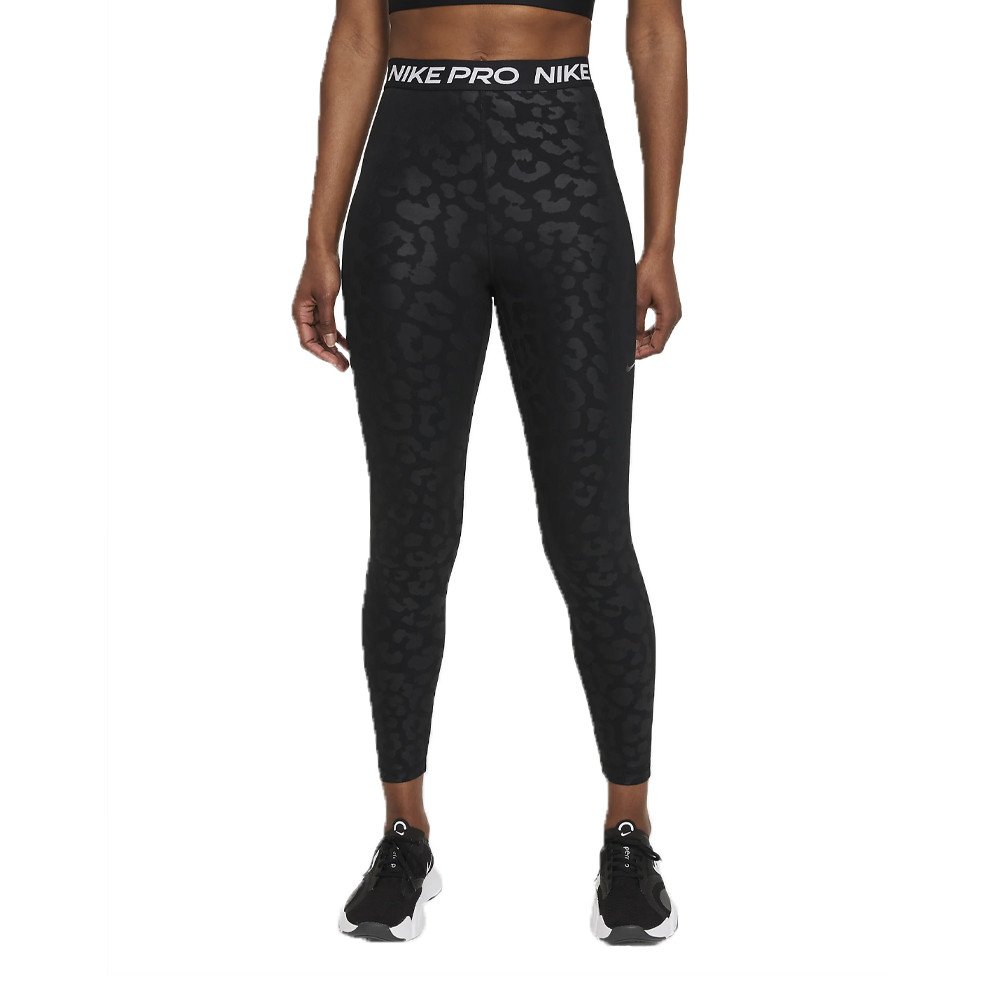
🧵 As a manufacturer myself, I’ve seen why Nike prefers these regions — they offer the perfect balance of technology, labor expertise, and sustainability compliance.
3. How Nike Balances Cost and Quality
Nike’s production strategy isn’t just about low labor costs — it’s about optimized efficiency.
- Multi-country sourcing prevents production bottlenecks.
- Tiered factories ensure specialization (e.g., knitwear in Sri Lanka, woven wear in Vietnam).
- Quality audits are frequent — suppliers must meet Nike’s Code of Conduct and Sustainable Manufacturing Index (SMI).
✅ This model keeps costs low while maintaining consistent global standards.
4. Nike’s Commitment to Ethical and Sustainable Production
In response to past criticisms, Nike has transformed its supply chain into one of the most transparent in the industry.
Key initiatives include:
- Nike “Move to Zero” program → targets net-zero carbon and waste.
- Recycled polyester and organic cotton → now used in most training lines.
- Factory sustainability audits → third-party verified.
🌱 Nike even publishes a public list of approved factories — a move that builds trust with both customers and investors.
5. Fabric Technology and Material Sourcing
Nike’s training apparel blends science with comfort.
| Fabric | Material Composition | Key Benefits |
|---|---|---|
| Dri-FIT | Polyester + Spandex | Sweat-wicking and fast-drying |
| Nike Flex | 4-way stretch fibers | Freedom of movement |
| Nike Therma-FIT | Brushed polyester | Heat retention for training |
| Nike Pro | Compression nylon blends | Support during performance |
They source advanced materials from certified mills in Taiwan, China, and Japan, ensuring both technical quality and sustainability.
6. Nike vs Other Activewear Manufacturing Models
| Brand | Manufacturing Focus | Key Advantage | Typical Regions |
|---|---|---|---|
| Nike | Multi-country hybrid system | Balanced cost + innovation | Vietnam, China, Indonesia |
| Adidas | Centralized + automated hubs | Speed to market | Indonesia, Cambodia |
| Under Armour | Vertical supply chain | Strong material control | Jordan, China |
| FuKi Gymwear | Custom OEM model | Flexibility for small brands | China, Vietnam |
📊 Nike’s decentralized yet tightly monitored structure is what keeps it agile — and dominant.
7. What Smaller Brands Can Learn from Nike’s Supply Chain
Here’s what we’ve learned manufacturing activewear for global clients:
- Don’t depend on one country – diversify your production to avoid delays.
- Create fabric consistency – standardize feel and fit across all collections.
- Prioritize transparency – share your production story; it builds brand trust.
- Use sustainability as a brand asset, not a cost burden.
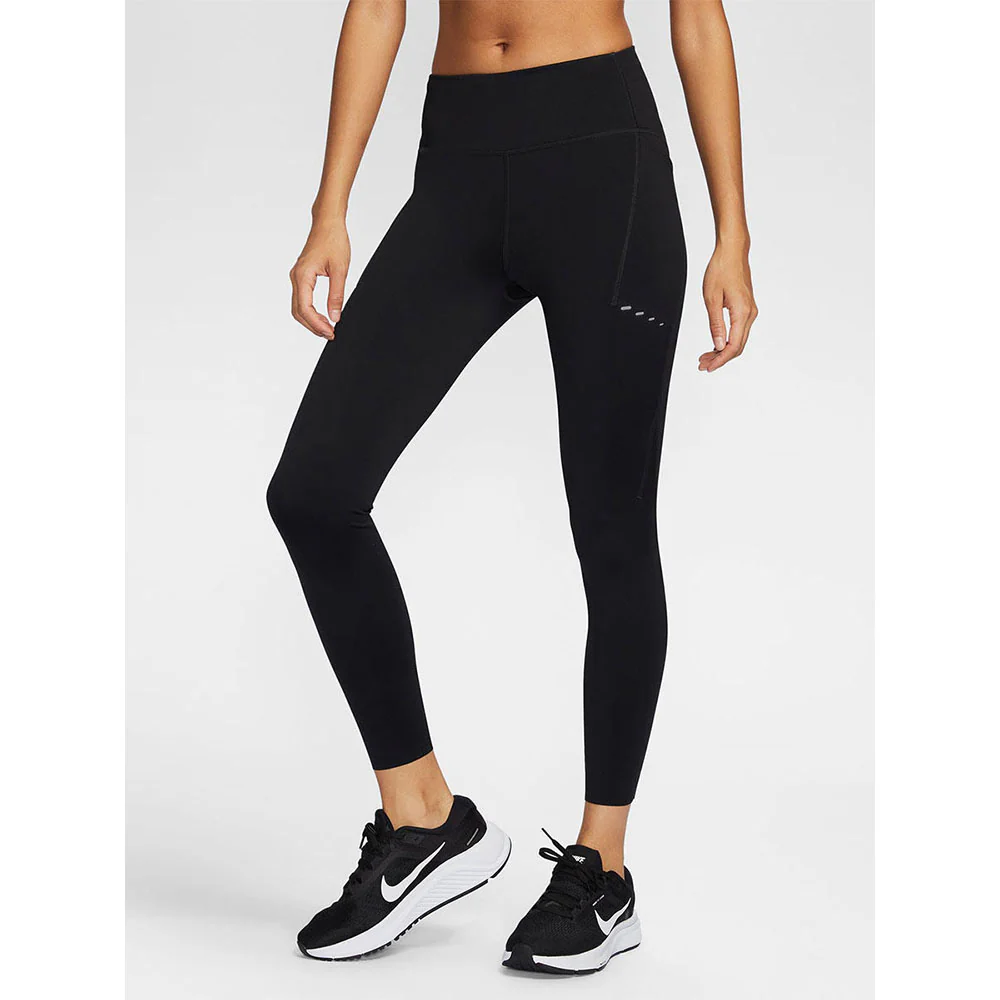
At FuKi Gymwear, we help growing brands achieve Nike-level quality through custom fabrics, low-MOQ production, and OEM/ODM solutions — all while maintaining transparency and efficiency.
8. FAQs
Q1: Does Nike still make products in China?
Yes, but production volume has shifted more toward Vietnam and Indonesia in recent years.
Q2: Where are Nike’s most advanced apparel factories located?
In Vietnam and Sri Lanka, focusing on precision stitching and high-tech fabrics.
Q3: Are Nike’s factories ethical and sustainable?
Nike publishes verified reports on factory compliance, energy efficiency, and labor standards — part of its Move to Zero initiative.
9. About FuKi Gymwear – Custom Activewear Manufacturer
At FuKiGymwear.com, we specialize in OEM/ODM production for global fitness brands — inspired by the precision and scalability of Nike’s supply chain.
Our services include:
- Custom fabric sourcing (nylon, spandex, recycled polyester)
- Low MOQ (100 pcs) OEM/ODM manufacturing
- Sustainable dyeing and packaging options
- Private labeling and full branding support
Learn more about:
