
For years, Lululemon was synonymous with yoga studios and calm mindfulness.
But today, you’ll see their logo on CrossFit athletes, runners, and HIIT trainers worldwide.
As someone working in activewear manufacturing, I’ve followed how Lululemon strategically evolved from yoga wear to high-intensity performance apparel — without losing its premium identity.
Here’s how they did it, and what other fitness brands (including private labels) can learn from this transition.
Table of Contents
- From Yoga Roots to Performance Evolution
- Fabric Innovation: Adapting to High-Intensity Needs
- Design Shift: From Stretch to Strength
- Athlete Partnerships & Marketing Strategy
- Comparing Yoga vs HIIT Apparel
- What Other Brands Can Learn from Lululemon
- FAQs
- About FuKi Gymwear – Custom Activewear Manufacturer
1. From Yoga Roots to Performance Evolution
Lululemon started with women’s yoga apparel — focusing on comfort, mindfulness, and movement.
However, customer feedback revealed a gap: “We love Lululemon, but can it handle sweat-heavy workouts?”
Instead of launching a new brand, Lululemon evolved:
- Expanded into men’s training apparel (shorts, tanks, compression tops).
- Introduced “Lululemon Studio” for hybrid training communities.
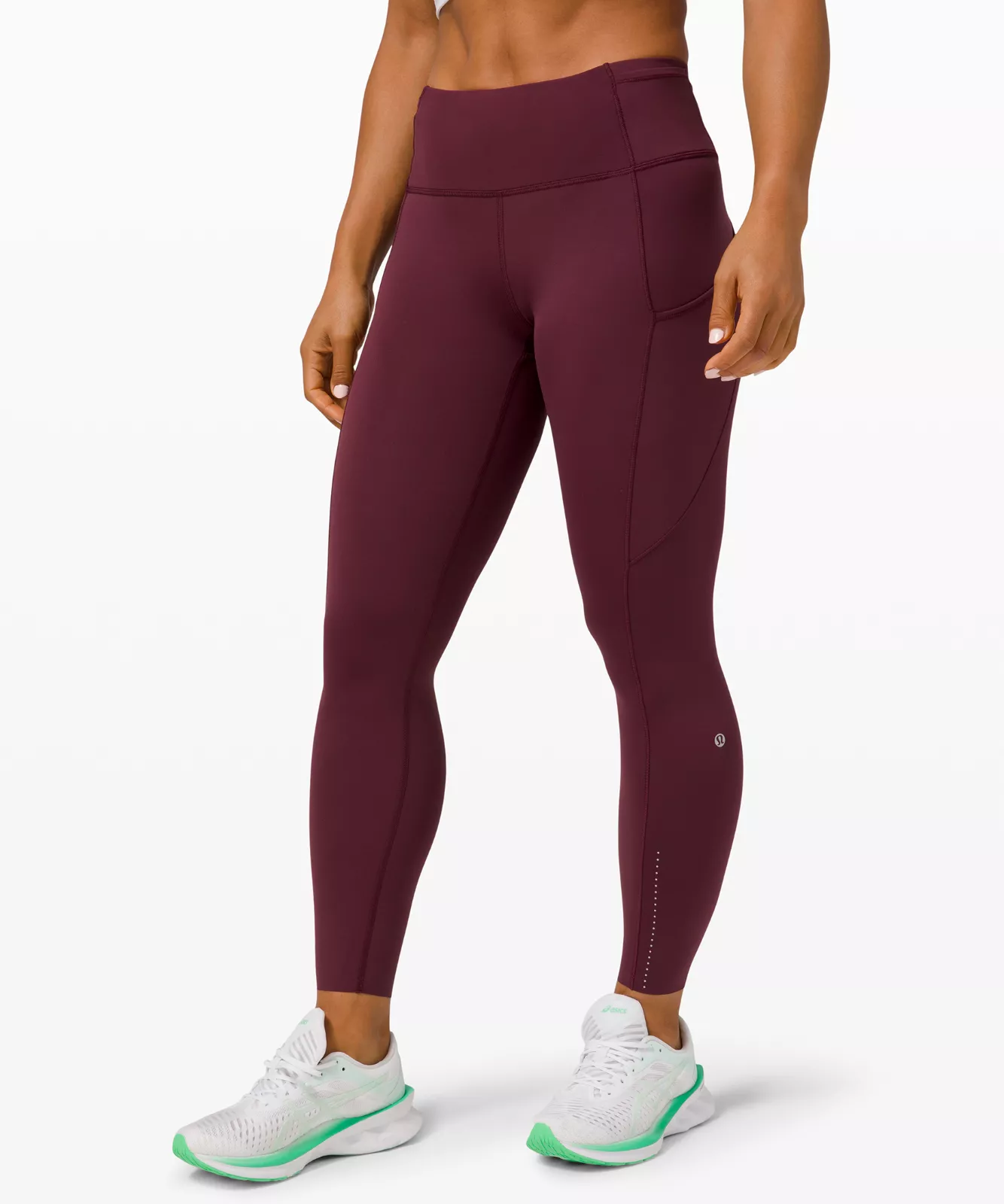
- Released cross-functional designs that balance yoga comfort and gym durability.
💡 The secret: gradual expansion without losing identity.
2. Fabric Innovation: Adapting to High-Intensity Needs
Transitioning from yoga to HIIT required new fabric technologies.
Lululemon invested heavily in sweat-wicking, quick-dry, and abrasion-resistant textiles.
| Fabric | Ideal Use | Key Feature |
|---|---|---|
| Everlux™ | HIIT, running | Dual-layer breathability & fast drying |
| Luxtreme™ | Training, compression | Cool touch + durability |
| Warpstream™ | Men’s shorts | Wrinkle-resistant, 4-way stretch |
| Swift™ | Jackets & outerwear | Lightweight and water-repellent |
🧵 As a manufacturer, I can confirm — achieving this balance between softness and strength is the hardest part of performance apparel production.
3. Design Shift: From Stretch to Strength
In yoga, apparel prioritizes flexibility and seamless comfort.
But for HIIT and training, designs need to endure friction, barbells, and intense movement.
Lululemon’s design evolution includes:
- Reinforced stitching and gussets for durability
- Ventilation zones for sweat control
- Compression panels for muscle support
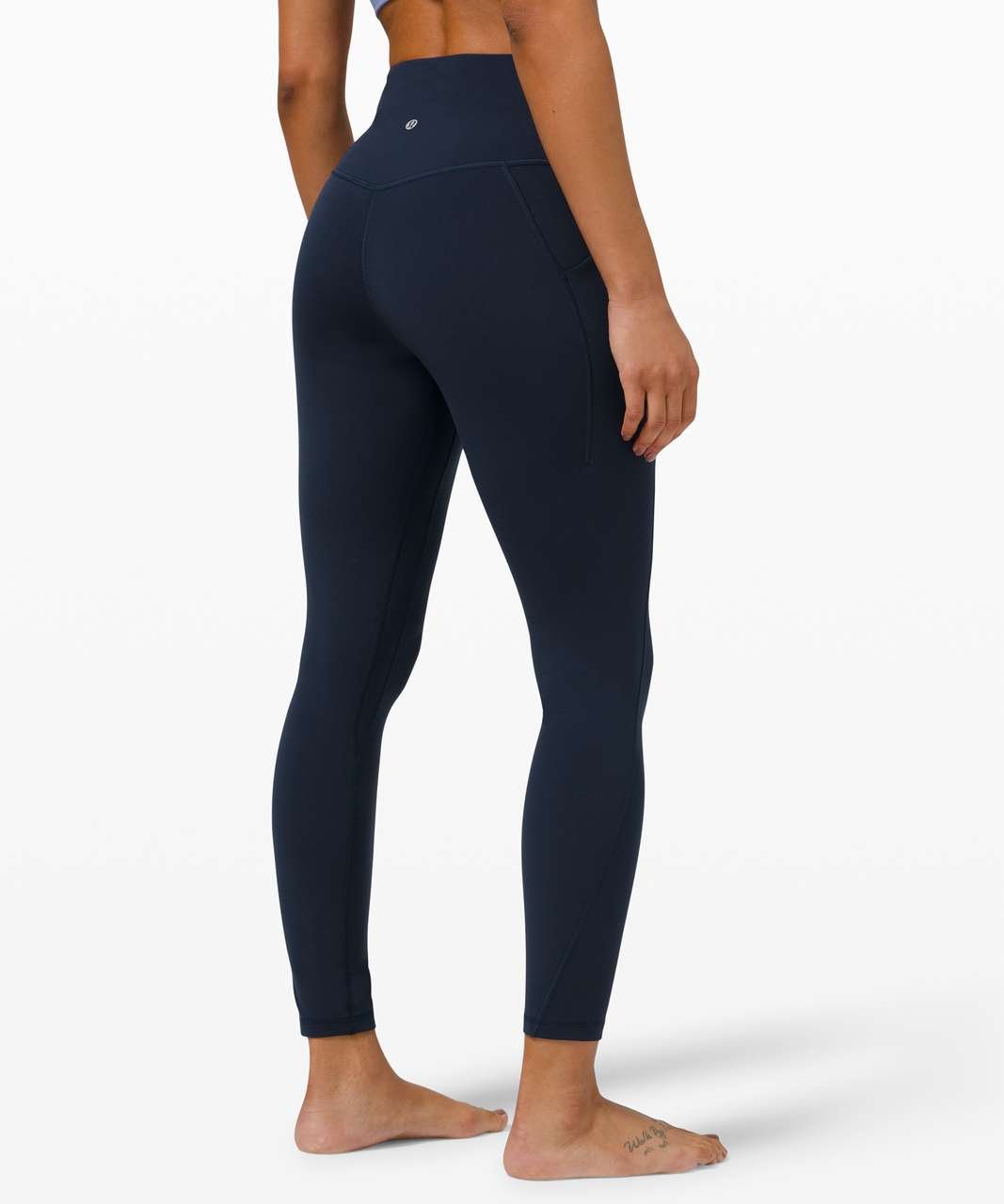
- Strategic pockets and reflective elements for gym-to-street versatility
✅ Form follows function — and every seam now serves a purpose.
4. Athlete Partnerships & Marketing Strategy
Lululemon’s expansion wasn’t just product-based — it was cultural.
They shifted brand perception by collaborating with elite athletes and training communities, not just yogis.
Examples include:
- Partnerships with CrossFit and marathons
- Sponsoring high-performance ambassadors instead of only influencers
- Launching the “Train Hard” collection for serious gym-goers
Their marketing pivot showcased power, sweat, and resilience, while maintaining the brand’s mindfulness tone.
5. Comparing Yoga vs HIIT Apparel
| Category | Yoga Wear | HIIT / Training Wear |
|---|---|---|
| Fabric | Soft & stretchy | Durable & sweat-resistant |
| Fit | Relaxed, seamless | Compression or structured |
| Purpose | Flexibility & flow | Power & endurance |
| Example Fabric | Nulu™, Luon™ | Everlux™, Luxtreme™ |
💡 Lululemon didn’t abandon yoga — they built a bridge to performance.
6. What Other Brands Can Learn from Lululemon
As someone who helps private label brands develop gymwear, here’s what I believe they should take from Lululemon’s strategy:
- Expand with purpose – Don’t chase trends; evolve based on your audience’s needs.
- Invest in R&D – Fabric defines your product’s identity.
- Own your category – Start niche (like yoga) before branching into training.
- Keep consistency – New categories, same quality and design language.
At FuKi Gymwear, we help emerging brands do exactly this — expanding from yoga to performance lines with custom-engineered fabrics and low-MOQ production.
7. FAQs
Q1: When did Lululemon start making high-intensity training apparel?
Around 2018–2020, as part of its expansion into men’s and cross-training markets.
Q2: Are Lululemon’s HIIT clothes different from its yoga lines?
Yes — they use stronger, more technical fabrics like Everlux™ and Luxtreme™ for better performance.
Q3: Can small brands replicate this approach?
Absolutely. With the right OEM factory, you can develop multi-purpose collections without massive investments.
8. About FuKi Gymwear – Custom Activewear Manufacturer
At FuKiGymwear.com, we help brands transition from yoga apparel to performance training wear, offering:
- Custom fabric sourcing and testing (Everlux-style, Luxtreme alternatives)
- OEM/ODM design & production with low MOQ (100 pcs)
- Sustainable dyeing and durable stitching solutions
- Full branding support — from logo to packaging
If you’re building your next-level activewear brand, explore:
