
Nike is not just a sportswear brand anymore — it’s becoming a technology company in disguise.
From self-lacing sneakers to temperature-regulating fabrics, Nike’s move into smart materials and wearable tech isn’t a marketing stunt — it’s a strategic evolution.
As someone working in activewear OEM manufacturing, I’ve seen how brands like Nike are reshaping apparel with technology to improve both performance and lifestyle.
Here’s how — and why — Nike leads this new frontier.
Table of Contents
- The Rise of Smart Fabrics in Sportswear
- Nike’s Vision: Data + Design = Performance
- Examples of Nike’s Smart Fabric Innovations
- Wearable Technology: Beyond Fitness Tracking
- Why Nike’s Tech Investment Pays Off
- What Other Brands Can Learn from Nike
- Lessons for OEM Activewear Manufacturers
- FAQs
- About FuKi Gymwear – Building the Future of Smart Activewear
1. The Rise of Smart Fabrics in Sportswear
The future of fitness apparel lies in intelligent textiles — materials that sense, react, and adapt to the body.
| Smart Fabric Function | Example | Benefit |
|---|---|---|
| Moisture Control | Dri-FIT™ by Nike | Wicks sweat and dries faster |
| Thermal Regulation | AeroReact™ | Opens fibers when you heat up |
| Compression Mapping | Zoned support gear | Improves circulation and recovery |
| Biofeedback Sensors | E-textile integration | Tracks muscle performance |
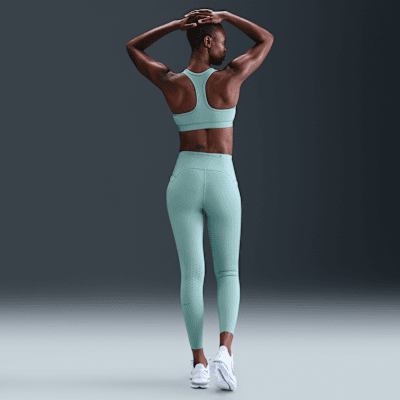
💬 As a manufacturer, I’ve seen brands transition from “style-based design” to “data-based performance wear.”
2. Nike’s Vision: Data + Design = Performance
Nike’s goal is simple: turn body data into design intelligence.
Through digital R&D and material science, they design clothing that learns from movement and adapts to each athlete.
How Nike integrates data:
- Motion capture labs analyze biomechanics.
- AI modeling predicts sweat and strain points.
- Fabrics are engineered based on real athlete feedback.
- Smart garments are tested under real-world conditions.
💬 Nike’s innovation is not random — it’s based on millions of data points collected from athletes worldwide.
3. Examples of Nike’s Smart Fabric Innovations
| Innovation | Description | Application |
|---|---|---|
| AeroAdapt™ | Micro-ventilation zones that open with heat | Running & training apparel |
| Flyknit™ | Digitally knitted one-piece upper | Reduces material waste by 60% |
| Nike Forward | Non-woven layered fabric for warmth and sustainability | Outerwear |
| E-Tex integration (concept) | Embedded sensors for biometric tracking | Future smart apparel |
💬 Each technology reflects Nike’s balance between sustainability, comfort, and performance.
4. Wearable Technology: Beyond Fitness Tracking
Nike’s wearable strategy extends far beyond watches or shoes — it’s about ecosystem integration.
Examples:
- Nike+ Ecosystem – connects clothing, shoes, and mobile data.
- Apple Watch Nike Edition – merges training data with brand engagement.
- Smart sneakers like Nike Adapt BB that self-lace and sync with your app.
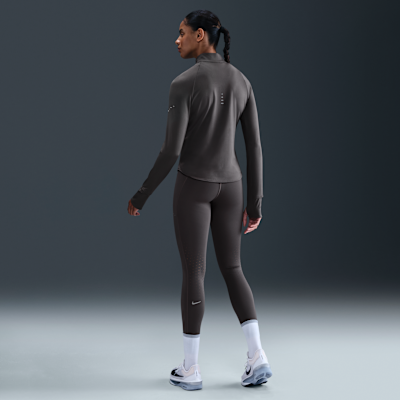
📱 The more consumers engage digitally, the stronger Nike’s ecosystem loyalty becomes.
5. Why Nike’s Tech Investment Pays Off
Nike’s push into smart fabrics and wearables drives three key benefits:
| Benefit | Explanation |
|---|---|
| Brand Differentiation | Tech gives Nike a unique advantage in a crowded market. |
| Consumer Loyalty | Integration with digital apps builds daily engagement. |
| Higher Margins | Smart products justify premium pricing. |
💬 Innovation isn’t just R&D — it’s ROI.
6. What Other Brands Can Learn from Nike
✅ Start with performance problems. Every innovation should solve a user pain point.
✅ Collaborate with tech partners. Nike works with Apple, MIT, and design labs.
✅ Build ecosystems, not just products. Connect your items through apps or services.
✅ Invest in R&D early. Even small OEMs can explore fabric testing and micro-sensor integration.
💬 At FuKi Gymwear, we follow similar principles — merging material science with brand design.
7. Lessons for OEM Activewear Manufacturers
For OEM factories, Nike’s smart textile evolution offers a clear roadmap:
- Develop specialized fabric partnerships – work with mills that innovate.
- Integrate digital pattern systems – reduce waste and improve precision.
- Offer testing & performance reports – attract premium clients.
- Promote sustainability tech – brands want suppliers who innovate ethically.
- Prepare for wearable tech collaborations – the next wave is data-integrated apparel.
💬 FuKi Gymwear already applies some of these — blending textile innovation with agile OEM service.
8. FAQs
Q1. Why does Nike invest so heavily in smart fabrics?
Because performance data is the future of fitness — smart textiles offer personalization and better results.
Q2. Are smart fabrics replacing traditional activewear?
Not yet, but they’re becoming a premium tier within performance wear.
Q3. How does Nike use wearable tech in apparel?
Through embedded sensors, digital tracking, and material feedback loops.
Q4. Can smaller brands replicate Nike’s tech approach?
Yes — by partnering with OEMs that provide fabric R&D and sustainability expertise.
9. About FuKi Gymwear – Building the Future of Smart Activewear
At FuKiGymwear.com, we help emerging brands develop next-generation activewear — from performance fabrics to smart apparel design.
We Offer:
- OEM & ODM activewear production (Low MOQ – 100 pcs)
- Tech-inspired materials – compression, quick-dry, and eco fabrics
- Private label, logo printing & custom packaging
- R&D fabric sourcing and testing
- Certified sustainable production (BSCI / OEKO-TEX® / GRS)
💬 Whether you’re launching a tech-driven fitness brand or upgrading your product line, we help you manufacture smarter — just like Nike.
👉 Bring your activewear ideas to life with FuKi Gymwear:
Visit FuKiGymwear.com to explore how innovation and sustainability can power your next collection.
