
Even in 2025, with so many rising brands like Gymshark, Vuori, and Lululemon competing for attention, Nike remains the global leader in activewear.
But what keeps Nike ahead — decades after its founding?
As someone working in fitness apparel manufacturing, I’ve studied Nike’s model closely — from supply chain strategy to digital branding.
Here’s the breakdown of why Nike continues to dominate the activewear world.
Table of Contents
- Nike’s Global Market Position in 2025
- Innovation: Why Technology Keeps Nike Ahead
- Marketing Mastery: Emotion Over Product
- Global Reach and Manufacturing Power
- Brand Loyalty and Lifestyle Positioning
- Nike vs Competitors in 2025
- What Startups Can Learn from Nike’s Strategy
- FAQs
- About FuKi Gymwear – Building the Next Generation of Activewear Brands
1. Nike’s Global Market Position in 2025
Nike still holds over 25% of the global activewear market in 2025 — more than any other brand.
Their power lies not only in athletic performance but also in becoming a cultural icon.
| Year | Global Revenue | Market Share | Key Growth Driver |
|---|---|---|---|
| 2023 | $51B | 23% | Digital commerce |
| 2024 | $54B | 24% | Direct-to-consumer (DTC) |
| 2025 | $57B+ | 25–26% | Sustainability & innovation |
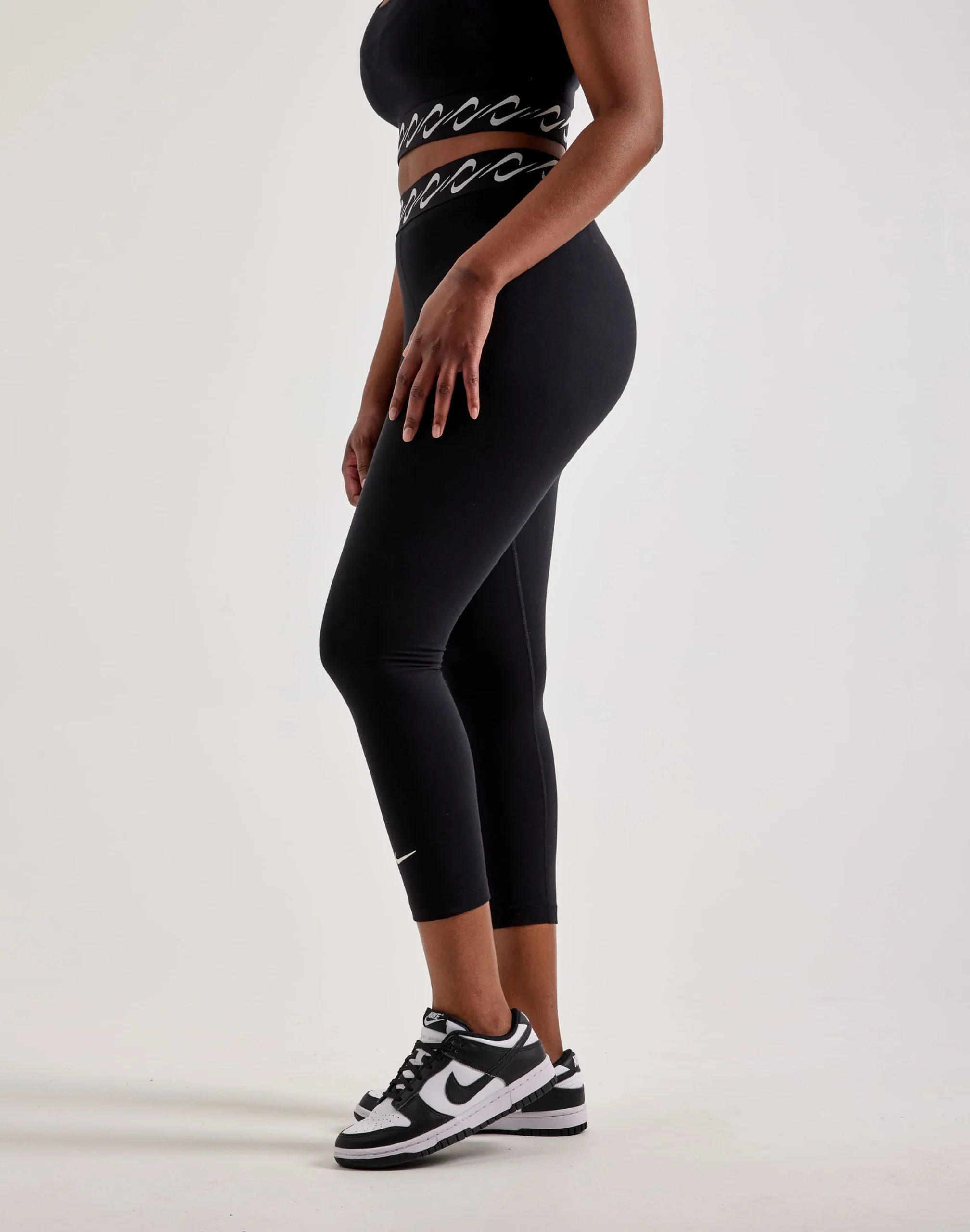
💬 Even with new brands emerging, Nike’s ecosystem — products, community, and digital platforms — remains unmatched.
2. Innovation: Why Technology Keeps Nike Ahead
Nike’s constant innovation is its strongest weapon.
It invests billions in R&D each year, turning fabrics and design into performance advantages.
Key Innovations:
- Dri-FIT™: Sweat-wicking technology that set the industry standard
- Flyknit™: Lightweight, minimal-waste shoe construction
- Nike React™ & Air Zoom™: Cushioning systems for comfort and performance
- Sustainable Materials: Recycled polyester and organic cotton lines
🧠 I’ve worked with similar technical materials — Nike’s success comes from scaling innovation consistently, not just creating it.
3. Marketing Mastery: Emotion Over Product
Nike doesn’t just sell activewear — it sells inspiration.
Its campaigns focus on empowerment, inclusivity, and personal achievement.
Examples:
- “Just Do It” remains timeless — symbolizing self-belief.
- Campaigns with Serena Williams and LeBron James focus on human stories.
- Nike promotes diversity, equality, and mental strength — not just sports.
💬 This emotional marketing makes customers feel part of something bigger — turning buyers into loyal fans.
4. Global Reach and Manufacturing Power
Nike’s manufacturing network spans over 35 countries, allowing global scalability with consistent quality.
Major production hubs include China, Vietnam, Indonesia, and Thailand — regions known for skilled sportswear production.
| Region | Role | Brands with Similar Setup |
|---|---|---|
| Asia (China, Vietnam) | Core apparel & footwear production | Lululemon, Under Armour |
| North America & Europe | R&D and testing | Adidas, Puma |
| OEM Partners | Specialized high-quality factories | FuKi Gymwear, others |
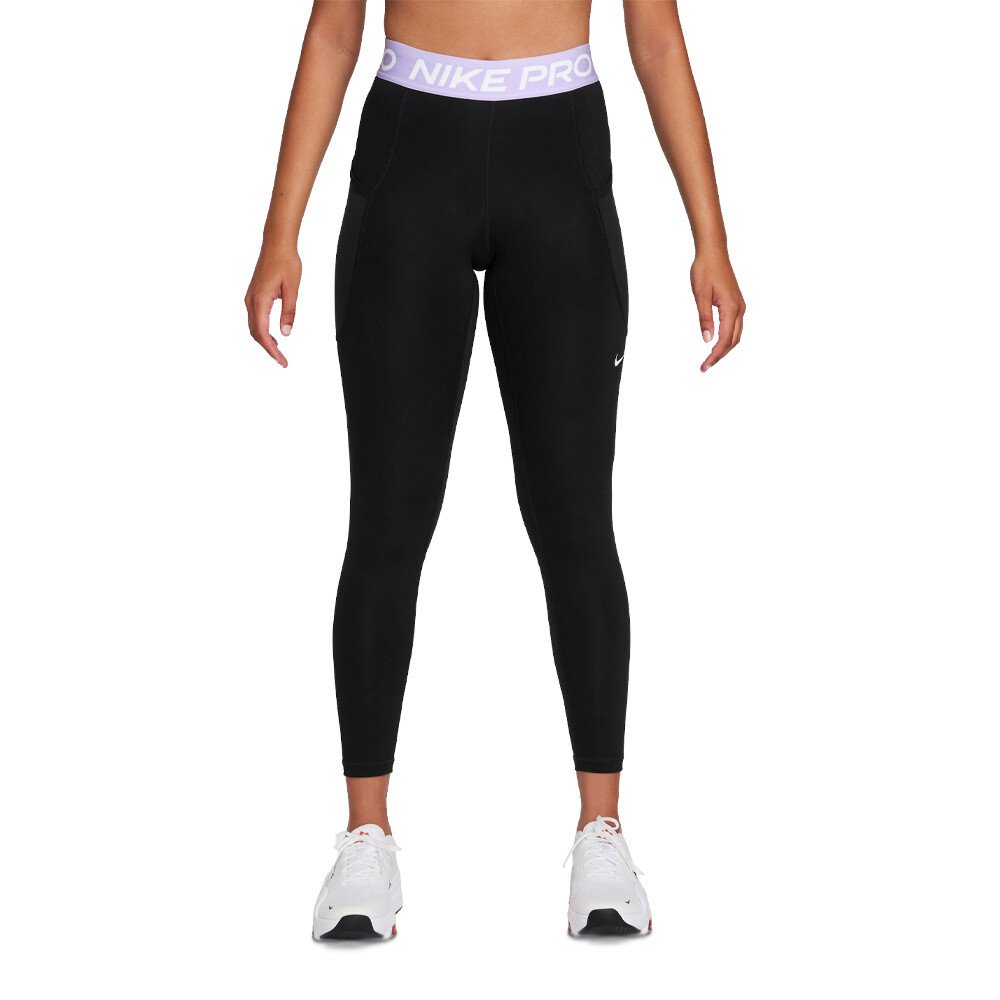
🌏 From my experience, this model ensures speed, precision, and cost balance — a blueprint smaller brands can follow.
5. Brand Loyalty and Lifestyle Positioning
Nike has moved beyond being a sports brand — it’s a lifestyle movement.
Through its apps, collaborations, and consistent message, Nike dominates daily wear and digital spaces alike.
| Platform | Function | Example |
|---|---|---|
| Nike Training Club (NTC) | Fitness & community app | Free global access |
| Nike Run Club (NRC) | Athlete tracking app | Builds loyalty |
| Nike x Off-White / Travis Scott | Fashion collaborations | Keeps brand relevant |
💬 Nike’s genius lies in merging performance with culture — something few brands replicate successfully.
6. Nike vs Competitors in 2025
| Brand | Focus | Strength | Weakness |
|---|---|---|---|
| Nike | Lifestyle + Performance | Global marketing + R&D | High price point |
| Adidas | Sustainability | Strong in footwear | Weaker storytelling |
| Under Armour | Performance | Technical innovation | Limited lifestyle appeal |
| Gymshark | Community-based | Influencer power | Smaller market scale |
| Vuori | Sustainability + comfort | Eco appeal | Premium niche only |
📊 In 2025, Nike’s balance between inspiration, innovation, and accessibility keeps it ahead of all.
7. What Startups Can Learn from Nike’s Strategy
For new fitness or athleisure brands, Nike offers key lessons:
✅ Brand emotion > product specs — tell human stories.
✅ Focus on quality manufacturing — consistency builds trust.
✅ Engage your audience daily — via social media or email.
✅ Think globally, produce smartly — use ethical OEM partners.
💬 At FuKiGymwear.com, we help new brands design, manufacture, and scale globally — inspired by Nike’s precision but customized for smaller startups.
8. FAQs
Q1. Why is Nike still leading in 2025?
Because it combines innovation, emotional branding, and global scalability better than any competitor.
Q2. Who are Nike’s biggest competitors now?
Adidas, Lululemon, Under Armour, and Gymshark — each strong but narrower in scope.
Q3. Is Nike sustainable today?
Nike has made progress — especially in recycled materials — but still aims for full circularity by 2030.
Q4. What can small brands learn from Nike?
That emotion, quality, and consistency always outperform price wars.
9. About FuKi Gymwear – Building the Next Generation of Activewear Brands
At FuKiGymwear.com, we help activewear brands turn creative ideas into real collections.
Our approach mirrors Nike’s success model — innovation, quality, and scalability.
We Offer:
- OEM & ODM custom production (Low MOQ – 100 pcs)
- High-performance fabrics: nylon, spandex, recycled eco blends
- Private labeling, packaging & printing
- Fast sampling: 7–10 days | Bulk: 25–35 days
- Certified ethical manufacturing: BSCI / OEKO-TEX® / GRS
💬 We empower startups to build performance-driven brands with global potential — just like Nike, from the ground up.
👉 Start building your activewear brand today
Visit FuKiGymwear.com and bring your vision to life.
