
Once a rising star in the sportswear world, Under Armour was seen as the next Nike — performance-driven, bold, and innovative.
Yet, by the mid-2020s, its popularity faded in both professional sports and mainstream fitness culture.
So, what went wrong?
Let’s break down the main reasons behind Under Armour’s decline and what today’s brands — including OEM manufacturers like FuKi Yoga — can learn from it.
Table of Contents
- Quick Answer
- 1. A Look Back: Under Armour’s Rise to Fame
- 2. Why Under Armour Lost Its Momentum
- 3. Comparing Under Armour vs Competitors
- 4. Can Under Armour Recover Its Brand Power?
- 5. Lessons for Modern Activewear Brands
- FAQs
- FuKi Yoga: Supporting the Next Generation of Performance Brands
Quick Answer
✅ Under Armour’s decline came from over-expansion, weak lifestyle appeal, and inconsistent branding.
The brand focused too heavily on performance gear and lost touch with fashion trends and consumer identity.
In contrast, modern fitness brands like Lululemon, Gymshark, and Vuori mastered the balance between function and lifestyle — something Under Armour failed to evolve into.
1. A Look Back: Under Armour’s Rise to Fame
Founded in 1996 by Kevin Plank, Under Armour was built on innovation — the first company to introduce moisture-wicking compression shirts.
It quickly became a favorite among athletes and football players for its performance-first approach.
The formula that worked (at first):
- ⚡ Revolutionary fabric tech like HeatGear & ColdGear
- 💪 Partnerships with NFL and college athletes
- 🧠 Powerful “Protect This House” marketing
- 🧵 Strong credibility among professionals
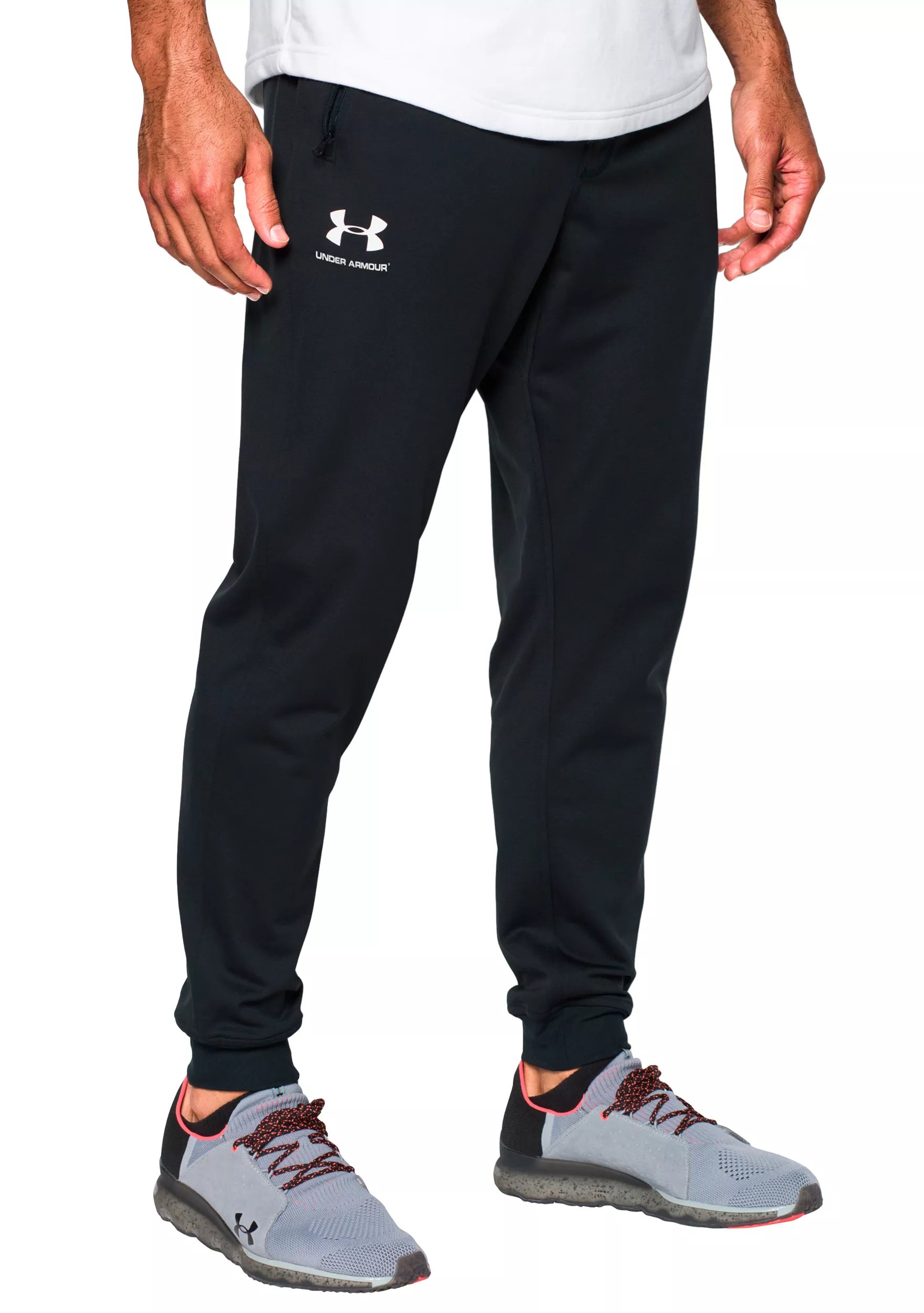
💬 Under Armour wasn’t just apparel — it was performance armor.
2. Why Under Armour Lost Its Momentum
Despite a powerful start, Under Armour’s popularity started to fade around 2017–2018.
Here’s why:
1️⃣ Over-Reliance on Performance Image
Under Armour positioned itself as a brand for elite athletes, not everyday consumers.
Meanwhile, Nike and Adidas evolved into lifestyle icons.
Result: The brand felt too “serious” and lost connection with casual gym-goers.
2️⃣ Missed Fashion & Athleisure Trends
When athleisure exploded, Under Armour stayed focused on performance gear instead of comfort-driven, stylish wear.
Consumers wanted “wear-to-workout” pieces — like Lululemon and Alo Yoga offered — but Under Armour didn’t adapt fast enough.
3️⃣ Brand Identity Confusion
The company tried to expand too broadly — from basketball (Curry line) to women’s yoga apparel — without a consistent visual or emotional identity.
Its storytelling lagged behind the social-media-savvy approach of Gymshark or Nike’s inclusive campaigns.
4️⃣ Inventory & Financial Struggles
Aggressive growth led to overproduction and heavy discounting, hurting the brand’s premium image.
The once “elite” apparel became seen as clearance rack gear, eroding perceived value.
3. Comparing Under Armour vs Competitors
| Brand | Strengths | Weaknesses | Current Market Image |
|---|---|---|---|
| Under Armour | Technical innovation | Weak lifestyle presence | Outdated but respected |
| Nike | Balanced fashion & sport | Expensive | Trend-leading & iconic |
| Adidas | Global collaborations | Quality inconsistency | Fashion-forward |
| Gymshark | Social media community | Short product life | Popular with Gen Z |
| FuKi Yoga | Custom OEM design, eco fabrics | B2B focus | Ethical & performance-driven |
💡 Lesson: Under Armour’s tech edge couldn’t compete with the emotional connection and cultural relevance other brands built.
4. Can Under Armour Recover Its Brand Power?
Under Armour still holds credibility in performance sportswear, but rebuilding its lifestyle relevance requires:
- 🎯 Sharper storytelling and rebranding
- 🌿 A stronger sustainability focus
- 📱 Influencer partnerships for digital-age visibility
- 🧘 Diversification into athleisure and yoga segments
Some recent efforts — like reintroducing premium training gear and eco-conscious lines — hint at a potential comeback.
But success now depends on connecting emotionally with modern consumers, not just outfitting athletes.
5. Lessons for Modern Activewear Brands
Under Armour’s journey offers key lessons for emerging sportswear manufacturers:
Do:
- ✅ Align with lifestyle culture, not just performance.
- ✅ Tell a story people can see themselves in.
- ✅ Focus on quality and sustainability for long-term loyalty.
Don’t:
- ❌ Overextend product categories too quickly.
- ❌ Ignore visual branding or social content.
- ❌ Assume innovation alone builds connection.
Brands like FuKi Yoga prove that combining eco fabrics, modern aesthetics, and flexible OEM production can help companies thrive where Under Armour stumbled.
FAQs
Q1: Why did Under Armour lose to Nike and Adidas?
Because it focused too much on performance gear instead of lifestyle and fashion integration.
Q2: Is Under Armour still a good brand?
Yes — for pure training performance, its compression and tech wear remain solid.
Q3: Is Under Armour eco-friendly?
Partially. They’ve improved sustainability but still lag behind brands like Patagonia or Girlfriend Collective.
Q4: What can new fitness brands learn from this?
Balance innovation with storytelling and user experience — don’t rely on performance alone.
Q5: Who manufactures sustainable gymwear today?
OEM partners like FuKi Yoga specialize in sustainable, custom-designed activewear for B2B clients worldwide.
FuKi Yoga: Supporting the Next Generation of Performance Brands
At FuKi Yoga, we understand the challenges that brands like Under Armour faced — scaling fast without losing authenticity.
That’s why we help emerging activewear labels combine premium performance with modern, sustainable design.
What We Offer:
- 🧵 OEM/ODM services for gym, yoga, and training apparel
- ♻️ Eco fabrics — recycled nylon, bamboo, organic cotton
- 🌍 Ethical production with global certifications
- 💼 Low MOQ (100 pcs) ideal for startup brands
- 🚀 Worldwide delivery & fast sampling
Our mission is to help brands build the next generation of performance wear — smart, stylish, and sustainable.
👉 Learn more at fukiyoga.com
