
Ever wondered how Gymshark transformed from a small UK startup into a billion-dollar fitness brand — without relying only on traditional advertising? The answer is simple: social media mastery.
As someone involved in activewear manufacturing and marketing, I’ve studied Gymshark’s digital playbook closely. Here’s how they built one of the strongest online communities in fitness — and turned engagement into real sales.
Table of Contents
- Quick Answer
- 1. The Social-First Strategy Behind Gymshark’s Success
- 2. The Role of Influencers in Gymshark’s Growth
- 3. Platform Breakdown: Instagram, TikTok, and YouTube
- 4. Content Strategy: Storytelling That Sells
- 5. Community Building and Brand Loyalty
- 6. Key Metrics That Drive Gymshark’s Conversions
- 7. What Fitness Startups Can Learn from Gymshark
- 8. FAQs
- 9. About FuKi Gymwear – Empowering the Next Fitness Brand
Quick Answer
Gymshark drives sales through a social-first strategy built on:
- Authentic creators
- Platform-native content
- Strong community identity
- Limited product drops
- Storytelling that creates trust before conversion
From a marketing perspective, Gymshark didn’t just sell activewear — it sold belonging.
1. The Social-First Strategy Behind Gymshark’s Success
Unlike Nike or Under Armour, Gymshark did not build early momentum through TV ads or major sponsorships. It built a social-first ecosystem.
Their formula
- Launch new products heavily through social media
- Use limited drops to create urgency
- Work with authentic creators instead of celebrities
- Encourage user-generated content to expand organic reach
This approach made Gymshark feel more like a movement than a company.
2. The Role of Influencers in Gymshark’s Growth
Gymshark’s early growth came from micro-influencers — real gym enthusiasts who promoted the brand naturally.
| Influencer Type | Role | Example |
|---|---|---|
| Micro (10k–100k) | Builds trust through relatability | Fitness coaches, everyday lifters |
| Macro (100k–1M) | Expands reach quickly | YouTubers, TikTok athletes |
| Brand Ambassadors | Represent Gymshark long-term | Event hosts, loyal creators |
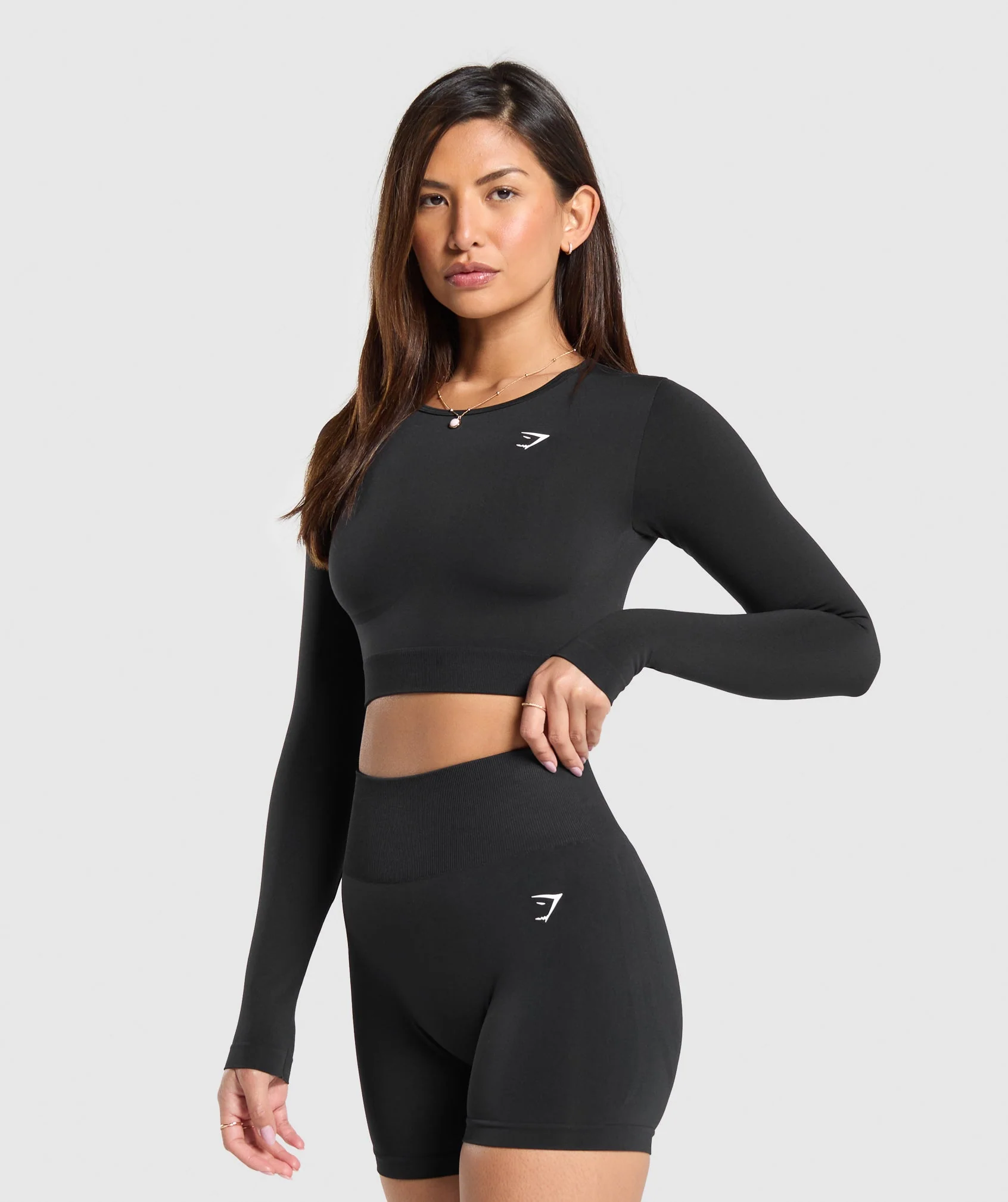
Instead of spending everything on one celebrity, Gymshark built a network of creators who actually lived the fitness lifestyle.
3. Platform Breakdown: Instagram, TikTok, and YouTube
Each platform plays a different role in Gymshark’s strategy.
| Platform | Strategy | Purpose |
|---|---|---|
| Aesthetic visuals, reels, launches | Lifestyle branding | |
| TikTok | Humor, trends, behind-the-scenes | Virality and reach |
| YouTube | Longer stories, creator content | Brand education and trust |
The key is consistency. The tone shifts slightly per platform, but the brand identity stays clear.
4. Content Strategy: Storytelling That Sells
Gymshark rarely pushes direct product ads. Instead, it builds emotional trust through stories.
Their common 70/20/10 content mix
| Content Type | Percentage | Example |
|---|---|---|
| Inspiration & lifestyle | 70% | Transformation stories, motivational reels |
| Education | 20% | Workout tips, fitness advice |
| Promotion | 10% | Product launches, collabs |
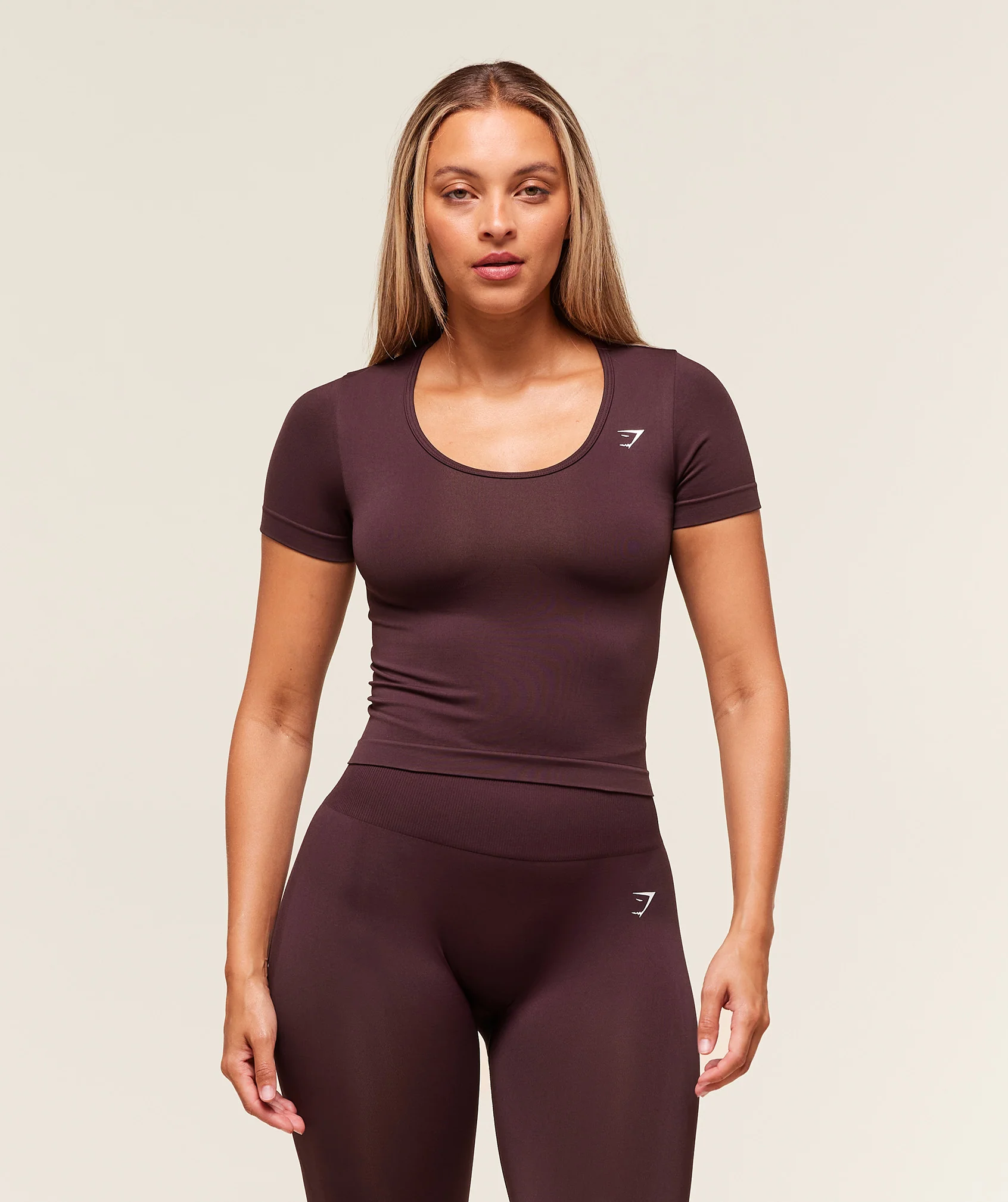
This makes product launches feel natural. By the time a new collection appears, the audience is already engaged and ready to buy.
5. Community Building and Brand Loyalty
Gymshark treats followers like a community, not just a customer list.
Key community tactics
- Offline pop-up events
- Gymshark challenges and campaigns
- Creator meetups
- Fitness expo participation
- User hashtags like #GymsharkFam
This keeps the brand emotionally sticky. Community is one of the biggest reasons Gymshark keeps people engaged beyond single purchases.
6. Key Metrics That Drive Gymshark’s Conversions
Gymshark likely focuses more on action-driven metrics than vanity numbers.
| Metric | Why It Matters | Typical Target |
|---|---|---|
| Engagement Rate | Shows real audience connection | 4–8% |
| UGC Volume | Measures advocacy | 1000+ posts/month |
| Influencer ROI | Tracks campaign effectiveness | 2.5x+ return |
| Website Conversion Rate | Shows checkout performance | 2–3% |
Follower count looks good, but these metrics actually drive sales.
7. What Fitness Startups Can Learn from Gymshark
If you are building a fitness or activewear brand, here are the biggest lessons:
- Focus on authentic creators, not just big names
- Keep your brand voice consistent across channels
- Build story-driven content, not only product ads
- Use metrics that reflect trust and conversion
- Make sure product quality matches your online promise
The biggest mistake startups make is building hype without building product trust.
8. FAQs
Q1. How does Gymshark use influencers to sell more?
By working with relatable athletes and creators in long-term partnerships instead of one-off promotions.
Q2. What platforms drive Gymshark’s most sales?
Instagram and TikTok usually drive faster conversion, while YouTube supports long-term trust.
Q3. Does Gymshark use paid ads?
Yes, but a large part of its strength comes from organic content and community-driven marketing.
Q4. Can new brands copy Gymshark’s strategy?
Yes — authenticity, consistency, quality visuals, and strong community building can work at smaller scale too.
9. About FuKi Gymwear – Empowering the Next Fitness Brand
At FuKi Gymwear, we help emerging fitness brands turn strong ideas into real product lines.
Our expertise includes
- OEM/ODM activewear production with low MOQ (100 pcs)
- Custom branding, packaging, and influencer-ready samples
- Seamless, compression, and recycled fabrics
- Fast turnaround: 7–10 day sampling, 25–35 day production
- Ethical and sustainable manufacturing support
We don’t just produce activewear — we help brands create products that are ready to grow online.
👉 Ready to build your fitness brand? Visit FuKi Gymwear to start your custom production journey.
