
Table of Contents
- Is Nike Really Sustainable Today?
- Nike’s “Move to Zero” Sustainability Initiative
- Where Nike Produces Sustainably
- Eco-Friendly Materials Nike Uses
- How Nike Reduces Carbon and Waste
- Challenges Nike Still Faces
- What Smaller Brands Can Learn from Nike’s Approach
- FAQs
- About FuKi Gymwear – Custom Sustainable Activewear Manufacturer
1. Is Nike Really Sustainable Today?
Short answer: Nike is improving—but not fully sustainable yet.
Nike focuses on:
- Reducing waste
- Cutting carbon emissions
- Increasing recycled materials
💬 From a factory perspective, Nike has some of the strictest environmental standards in the industry.
Key Progress Indicators
- ~95% of footwear includes recycled materials
- 100% of cotton is sustainably sourced
- ~80% of manufacturing waste is reused or recycled
👉 Nike is moving in the right direction—but sustainability at this scale is gradual.
2. Nike’s “Move to Zero” Sustainability Initiative
Nike’s core sustainability strategy is called “Move to Zero.”
Goal:
👉 Zero carbon + zero waste
| Focus Area | Nike’s Goal | Example |
|---|---|---|
| Carbon reduction | Net zero by 2050 | Renewable energy factories |
| Material circularity | Closed-loop systems | Recycled polyester & Flyknit |
| Packaging | Reduce waste | Paper packaging, fewer plastics |
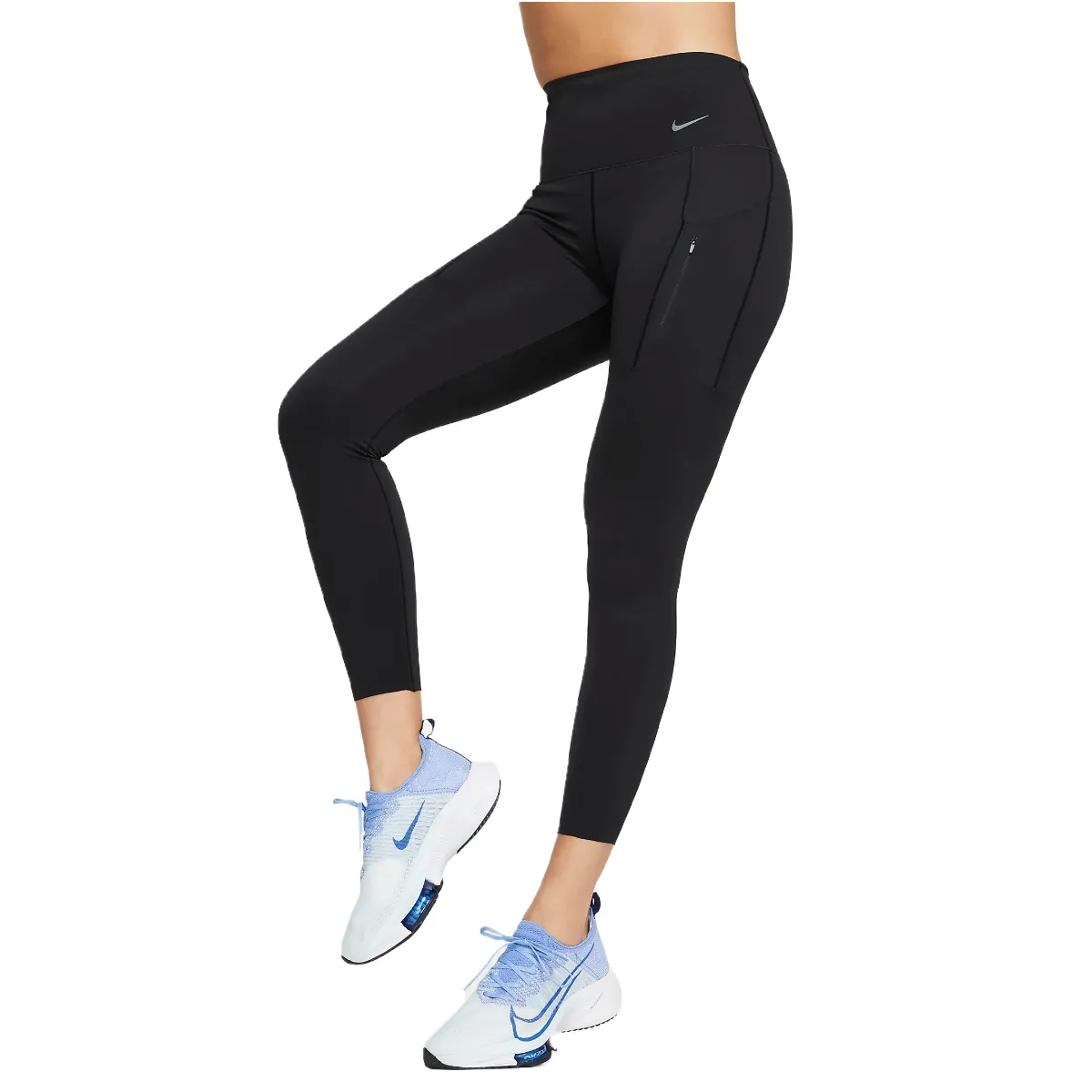
💬 Nike is not just changing fabrics—it’s restructuring its entire supply chain.
3. Where Nike Produces Sustainably
Nike works with globally certified factories using standards like:
- OEKO-TEX®
- BSCI
- Higg Index
Key Sustainable Production Regions
- Vietnam → Solar energy + water recycling
- China → Eco-material R&D labs
- Indonesia → Waste reduction systems
- Turkey → Recycled yarn manufacturing
🏭 These regions also support brands like Adidas and Lululemon.
4. Eco-Friendly Materials Nike Uses
Nike has shifted heavily toward sustainable materials:
| Material | Sustainable Version | Benefit |
|---|---|---|
| Polyester | Recycled polyester (rPET) | Reduces plastic waste |
| Cotton | BCI / organic cotton | Lower pesticide use |
| Nylon | Recycled nylon (Econyl®) | Waste-based sourcing |
| Foam & rubber | Nike Grind / recycled EVA | Circular production |
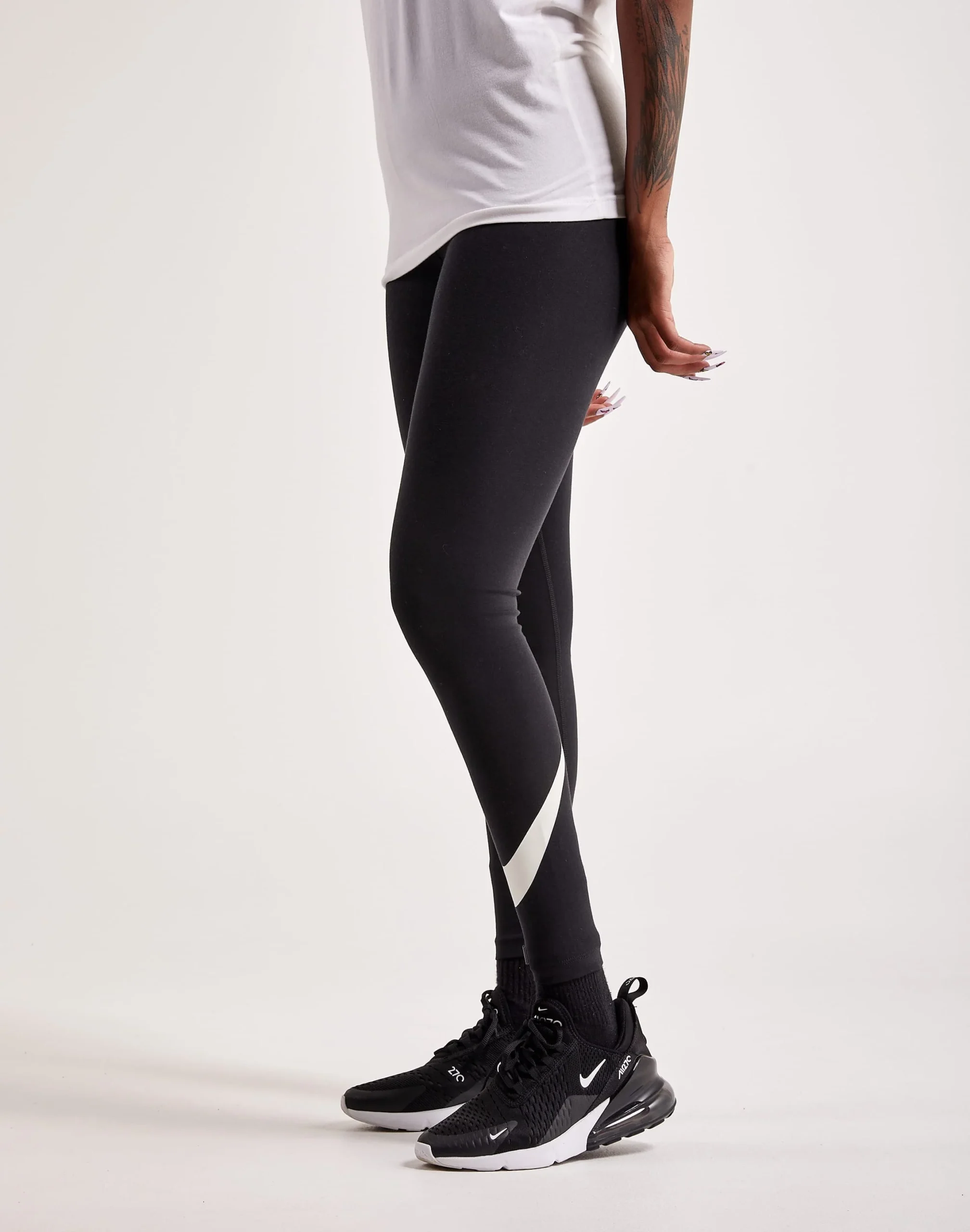
💬 In production reality, these materials often improve performance—not just sustainability.
5. How Nike Reduces Carbon and Waste
Nike integrates sustainability across every stage:
Key Innovations
- Flyknit technology → Reduces waste by ~60%
- Renewable energy → Majority of factories use solar/wind
- Closed-loop recycling → Old shoes → playground surfaces
- Digital sampling → Reduces physical waste
🌱 This is large-scale efficiency—not just branding.
6. Challenges Nike Still Faces
Nike is advanced—but not perfect.
Main Issues
- Scale complexity → 500+ factories = uneven execution
- Dyeing processes → High water + chemical usage
- Fast fashion pressure → Conflicts with sustainability
- Recycling limitations → Not globally accessible
📉 Reality: Nike leads—but still has a long way to go.
7. What Smaller Brands Can Learn from Nike’s Approach
You don’t need Nike’s budget to apply these principles:
| Lesson | What It Means | How to Apply |
|---|---|---|
| Transparency | Show your process | Share factory + materials |
| Start with fabric | Materials matter most | Use recycled / organic |
| Track metrics | Measure impact | Monitor waste & energy |
| Choose OEM wisely | Factory = foundation | Work with certified partners |
💬 Sustainability is not a marketing claim—it’s a system.
8. FAQs
Q1: Is Nike using recycled materials?
Yes—especially in Dri-FIT and Flyknit products.
Q2: Are Nike factories certified?
Most follow OEKO-TEX®, BSCI, and Higg standards.
Q3: Does Nike use organic cotton?
Yes—via Better Cotton Initiative sourcing.
Q4: Is Nike carbon-neutral?
Not yet. Target: net zero by 2050.
9. About FuKi Gymwear – Custom Sustainable Activewear Manufacturer
At FuKi Gymwear, we help brands build sustainable activewear inspired by global leaders like Nike.
Our Capabilities
- OEM & ODM production (low MOQ 100 pcs)
- Recycled fabrics: rPET, recycled nylon, bamboo
- Eco printing (water-based & digital methods)
- Fast sampling (7–10 days)
- Certified factories (OEKO-TEX®, BSCI, GRS)
🌎 We combine sustainability with performance and scalability.
👉 Start your eco-friendly activewear production:
FuKi Gymwear
💬 Sustainability isn’t about perfection—it’s about continuous improvement at every stage.
