
When people think of Nike, they imagine cutting-edge design and world-class performance — but few realize that Nike doesn’t make its products itself.
As someone who works closely with activewear factories, I’ve studied Nike’s supply chain first-hand. Let’s explore where Nike actually manufactures its activewear and what makes its global production model so efficient.
Table of Contents
- Is Nike Still Made in the USA?
- Where Nike Manufactures Its Activewear Today
- Top Manufacturing Countries by Volume
- Why Nike Produces in Asia
- Nike’s Quality and Ethical Standards
- How Nike Balances Innovation and Cost
- What New Brands Can Learn from Nike’s Supply Chain
- FAQs
- About FuKi Gymwear – Custom Activewear Manufacturer
1. Is Nike Still Made in the USA?
No — not anymore.
While Nike was originally founded in Oregon, USA, the company outsourced manufacturing overseas decades ago.
Today, nearly all Nike apparel and footwear is made in Asia, where specialized factories handle advanced materials and volume production.
🏭 Nike’s U.S. facilities now focus on design, innovation, and product testing — not mass production.
2. Where Nike Manufactures Its Activewear Today
Nike partners with over 500 contract factories across 40+ countries, primarily in Asia.
The company publishes an open Supplier Map showing each facility — a transparency step few competitors match.
| Region | Key Countries | Typical Products |
|---|---|---|
| Asia | China, Vietnam, Indonesia, Thailand, Cambodia | Leggings, sports bras, t-shirts, shoes |
| South Asia | India, Bangladesh, Sri Lanka | Knitwear, cotton tees |
| Europe | Turkey, Italy | Premium performance collections |
| Americas | Mexico, Brazil | Limited production, local fulfillment |
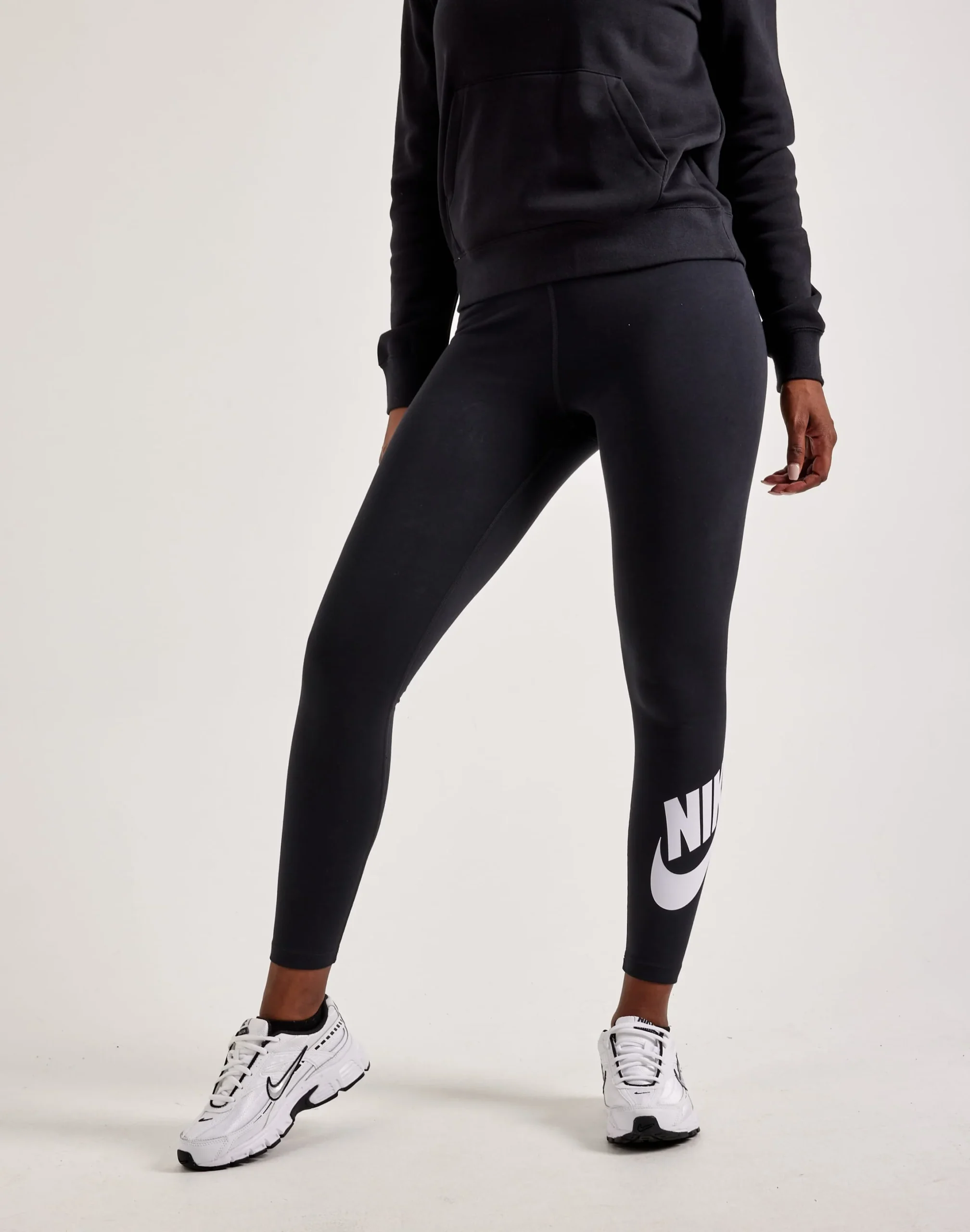
💬 From my factory visits, I’ve seen Nike’s Asian facilities leading in automation and precision knitting.
3. Top Manufacturing Countries by Volume
- Vietnam – Nike’s largest footwear and apparel hub
- China – Specializes in advanced fabric engineering
- Indonesia – Known for footwear assembly and testing
- Bangladesh – Produces affordable knit basics
- Cambodia – Focused on lightweight activewear
📈 Vietnam alone accounts for nearly 40% of Nike’s global footwear production.
4. Why Nike Produces in Asia
The choice isn’t just about cost — it’s about expertise and scale.
Here’s why Asia remains Nike’s backbone:
- Technical mastery – Factories specialize in seamless and bonded fabrics.
- Material sourcing – Access to global suppliers of nylon, spandex, and eco fibers.
- High efficiency – Decades of lean manufacturing processes.
- Sustainability focus – Many facilities are BLUESIGN® or OEKO-TEX® certified.
- Speed-to-market – Shorter lead times with regional logistics hubs.
🧵 Modern “Made in Asia” equals world-class quality, not compromise.
5. Nike’s Quality and Ethical Standards
After criticism in the 1990s, Nike restructured its Code of Conduct to set global labor, safety, and environmental standards.
| Focus Area | Example |
|---|---|
| Fair labor | Regular audits to prevent exploitation |
| Sustainability | “Move to Zero” program for waste reduction |
| Material testing | Fabric durability, stretch recovery, and colorfastness |
| Transparency | Public Supplier Map with factory data |
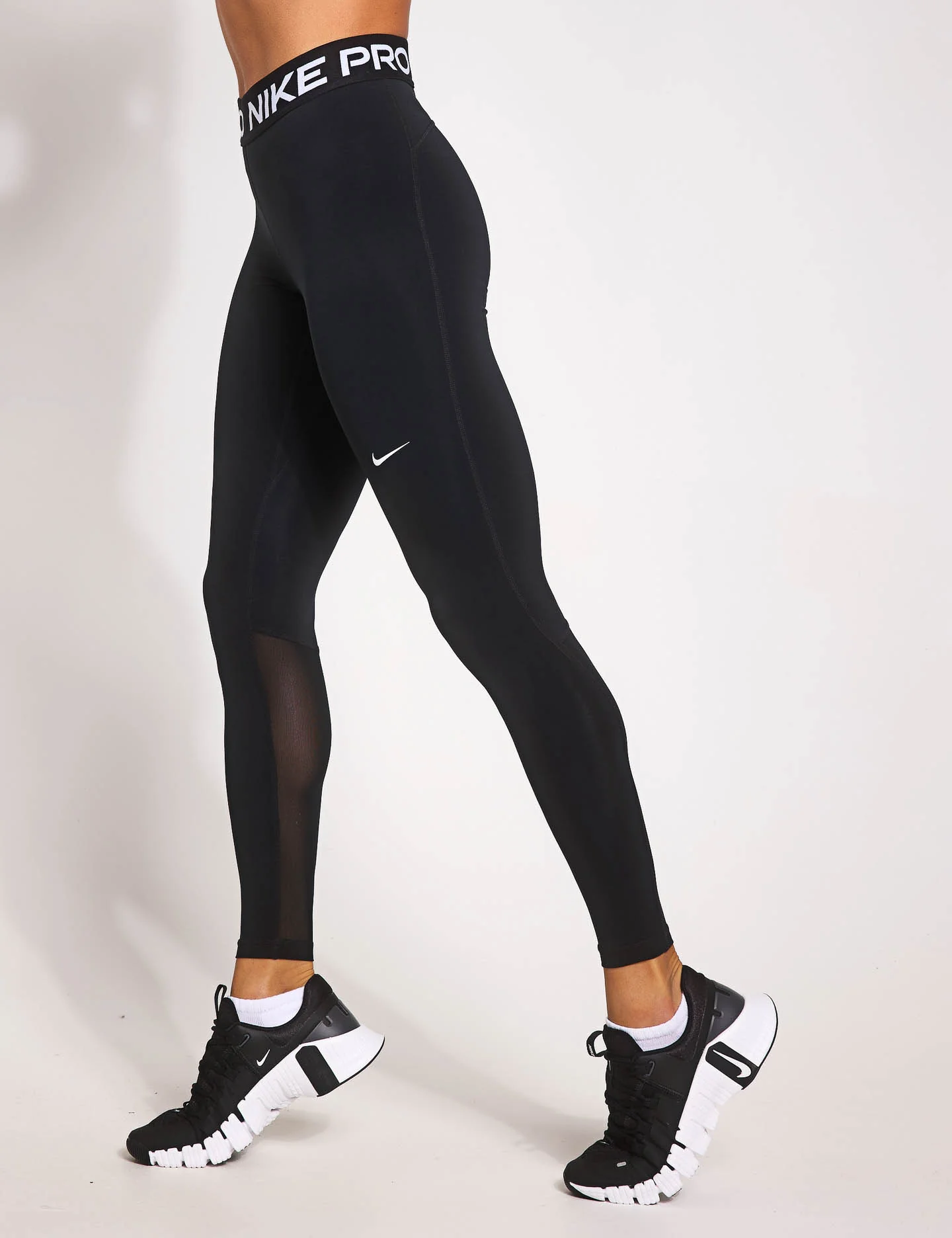
✅ Nike now leads the industry in responsible sourcing.
6. How Nike Balances Innovation and Cost
Nike invests heavily in R&D centers while keeping manufacturing partners cost-efficient.
Key technologies like Flyknit, Dri-FIT, and Nike Air are developed in-house — then licensed or transferred to trusted factories.
💡 This hybrid model ensures:
- Consistent quality control
- Controlled material IP
- Lower operational costs
🧪 Nike’s innovation labs guide factory production to align every item with global standards.
7. What New Brands Can Learn from Nike’s Supply Chain
| Lesson | Description | Actionable Tip |
|---|---|---|
| Specialize your production | Don’t try to make everything | Focus on your core products first |
| Prioritize material quality | Fabric defines perception | Use certified suppliers |
| Audit your factories | Build transparency early | Partner with compliant OEMs |
| Adopt sustainable options | Eco materials attract modern buyers | Use recycled nylon or organic cotton |
💬 At FuKi Gymwear, we apply the same disciplined approach — combining small-batch flexibility with enterprise-level standards.
8. FAQs
Q1. Is Nike still made in China?
Yes — especially premium fabrics and advanced performance items.
Q2. Are Nike leggings made in Vietnam?
Mostly yes. Vietnam leads Nike’s activewear production.
Q3. Does Nike own its factories?
No. Nike partners with independent, certified manufacturers worldwide.
Q4. Is “Made in Asia” Nike real or fake?
Real. Most authentic Nike products are made in Asia under strict oversight.
9. About FuKi Gymwear – Custom Activewear Manufacturer
At FuKiGymwear.com, we help fitness brands build high-quality collections inspired by top global players like Nike and Lululemon.
Our Services Include:
- OEM & ODM production (Low MOQ 100 pcs)
- Custom fabrics: nylon-spandex, recycled polyester, seamless knit
- Private labeling & heat-transfer logos
- Sampling in 7–10 days | Bulk in 25–35 days
- Certified ethical factories (OEKO-TEX®, BSCI)
💬 We combine performance innovation with flexible manufacturing — perfect for startups and growing brands.
👉 Ready to create Nike-level activewear with your own brand identity?
Visit FuKiGymwear.com to start your custom project today.
