
As someone who works closely with yoga apparel manufacturing, I’ve often been asked:
“Why are Lululemon leggings so expensive compared to other yoga brands?”
It’s a fair question — especially when you see similar-looking leggings from CRZ Yoga, Vuori, or Alo Yoga at half the price.
Let’s explore what truly drives the price behind those iconic Lululemon tags.
Table of Contents
- Quick Answer
- 1. Premium Fabrics and Patented Technology
- 2. Design Precision and Fit Engineering
- 3. Brand Positioning and Community Marketing
- 4. Ethical Manufacturing and Sustainability
- 5. Price Comparison: Lululemon vs Other Yoga Brands
- 6. Should You Pay the Premium?
- FAQs
- How FuKi Yoga Helps Brands Build Premium Yet Affordable Yoga Wear
Quick Answer
Lululemon is expensive because it invests heavily in exclusive fabric technology, precise fit engineering, and lifestyle-driven branding.
Each product combines advanced textiles like Nulu™ and Everlux™ with a strong focus on sustainability and customer experience.
In short: You’re not just buying leggings — you’re buying comfort, confidence, and brand identity.
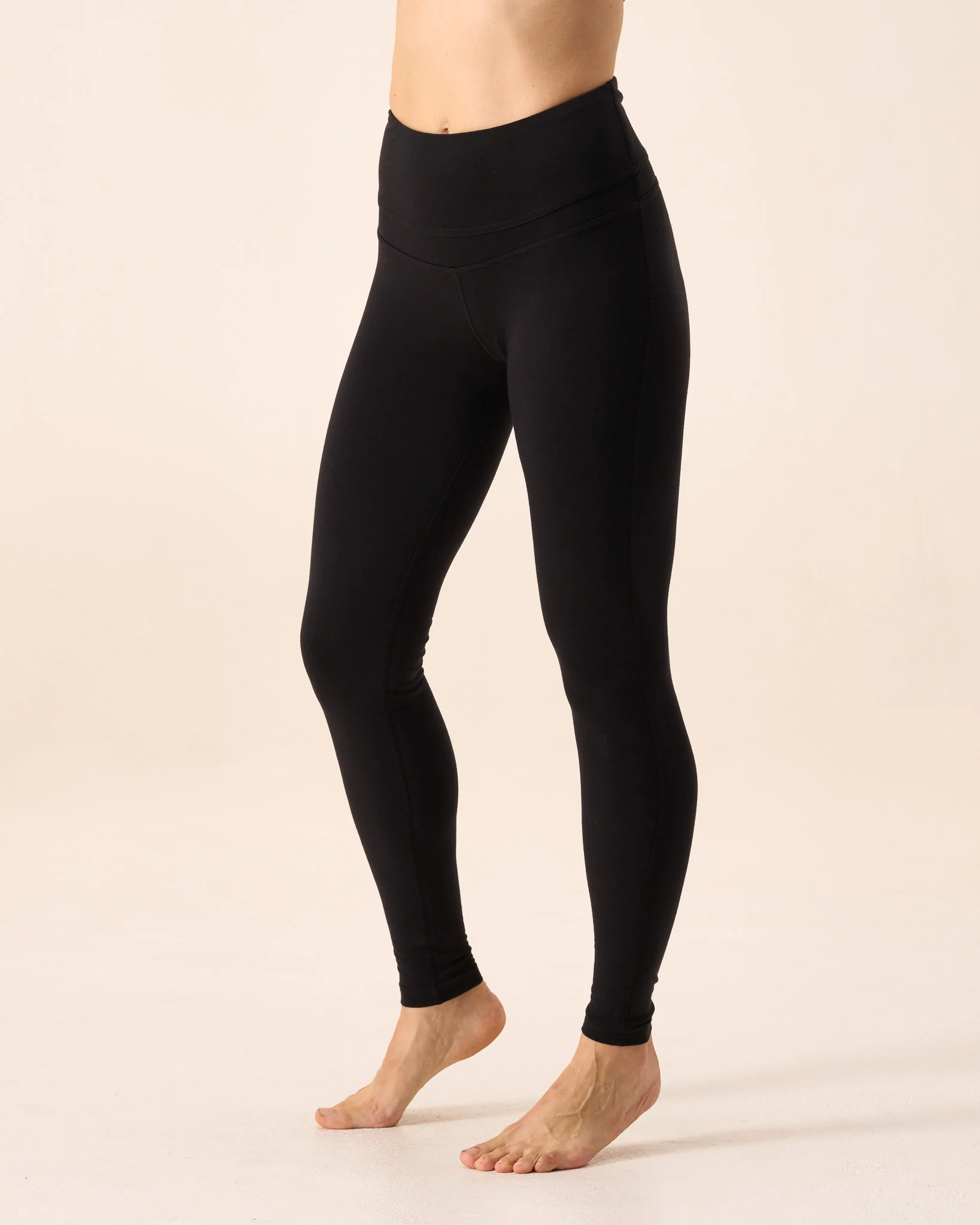
1. Premium Fabrics and Patented Technology
Lululemon’s biggest differentiator lies in its proprietary fabrics, developed over years of R&D.
| Fabric Type | Key Features | Comparable Brands |
|---|---|---|
| Nulu™ | Buttery-soft, second-skin feel | CRZ Yoga (Butterlux) |
| Everlux™ | Fast-drying, cool-touch | Alo Yoga (Airlift) |
| Luxtreme™ | High compression, smooth finish | Gymshark (Vital Seamless) |
| Nulux™ | Lightweight, sweat-wicking | Vuori (LuxStream) |
These aren’t generic textiles — Lululemon holds exclusive material patents, ensuring no one can replicate the exact texture or performance.
The fabrics go through multi-stage testing for elasticity, opacity, and colorfastness — all of which increase costs.
2. Design Precision and Fit Engineering
Having examined Lululemon’s production patterns firsthand, their garments are constructed with millimeter-level precision:
- Over 20 body measurements used for fit mapping.
- Specialized 4-way stretch panels designed per activity (yoga, running, training).
- Flat-seam stitching that prevents chafing and maintains elasticity.
- Extensive wear testing by professional athletes and trainers.
This level of technical tailoring is why their leggings rarely lose shape, even after years of use.
3. Brand Positioning and Community Marketing
Lululemon doesn’t just sell clothes — it sells a lifestyle philosophy.
Through its “Sweatlife” community and ambassador program, the brand cultivates belonging and aspiration.
What drives its premium perception:
- Minimalist, upscale retail design
- Local yoga and fitness community events
- Strategic collaborations with influencers and athletes
- Strong emphasis on self-growth and wellness
Lululemon is not positioned as a “fitness brand” — it’s a luxury lifestyle movement.
4. Ethical Manufacturing and Sustainability
While Lululemon manufactures primarily in Vietnam, Sri Lanka, and China, it partners only with factories that meet BSCI, WRAP, or Sedex certifications.
Sustainability practices include:
- Recycled polyester usage in new collections
- Water-saving dyeing and finishing
- Supply chain transparency reports
- “Like New” resale and recycling programs
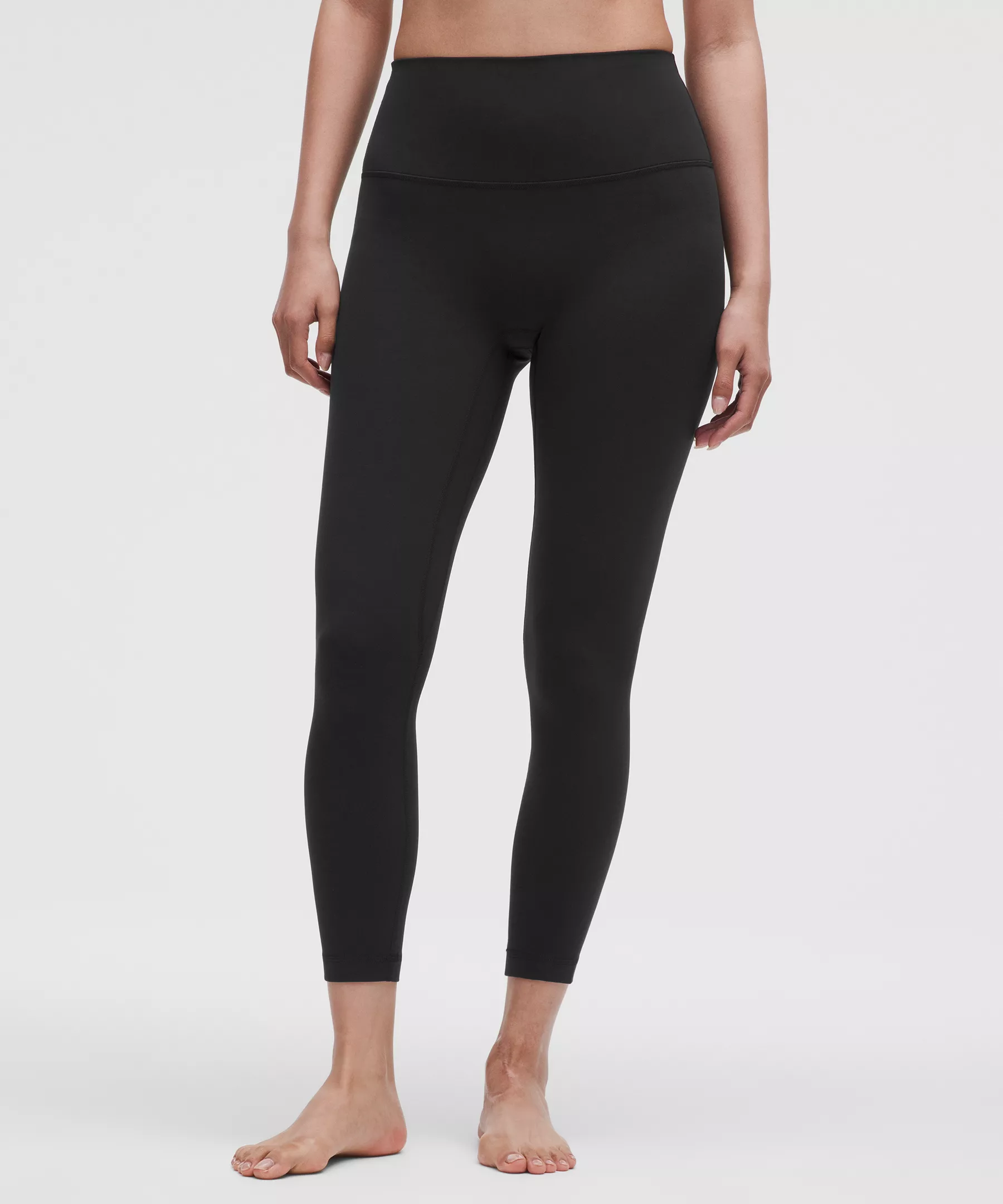
Although these add to production costs, they reinforce Lululemon’s premium image and long-term consumer trust.
5. Price Comparison: Lululemon vs Other Yoga Brands
| Brand | Leggings Price (USD) | Core Strength | Sustainability Level |
|---|---|---|---|
| Lululemon | $98–$128 | Fit engineering & tech fabrics | High |
| Alo Yoga | $90–$120 | Luxe design & streetwear appeal | High |
| Vuori | $80–$110 | Comfort & California lifestyle | Moderate |
| CRZ Yoga | $30–$45 | Affordable dupe options | Moderate |
| FuKi Yoga (OEM) | $25–$65 | Sustainable custom production | High |
Lululemon prices reflect R&D and marketing investment, while emerging manufacturers like FuKi Yoga deliver comparable quality at more accessible rates.
6. Should You Pay the Premium?
Yes, if you value:
- Maximum comfort and durability
- Proven ethical sourcing
- Consistent fit and resale value
No, if you prefer:
- Budget-friendly, similar-feel alternatives
- Custom branding or private label production
If you’re building your own yoga line, use Lululemon’s standard as a benchmark, not a barrier.
FAQs
Q1: Is Lululemon worth the money?
For most consumers, yes — because of longevity, comfort, and performance.
Q2: Does Lululemon use sustainable materials?
Yes. Recycled nylon and polyester are increasingly used across their collections.
Q3: Why are Lululemon leggings more durable than cheaper brands?
Because of high-density yarns, reinforced seams, and proprietary stretch tests.
Q4: Is there a cheaper alternative with similar quality?
Brands like Vuori, CRZ Yoga, or OEM suppliers like FuKi Yoga offer strong value alternatives.
How FuKi Yoga Helps Brands Build Premium Yet Affordable Yoga Wear
At FuKi Yoga, we help emerging yoga and activewear labels create Lululemon-level quality at a more accessible cost.
Our services include:
- 🧵 OEM/ODM production using premium performance fabrics (Nylon/Spandex, RPET)
- 🌿 Eco materials — recycled, buttery-soft, squat-proof
- 🩱 Low MOQ (100 pcs) for startups and boutique brands
- 💡 Design and pattern consultation to ensure perfect fit
- 🌍 Certified factories (BSCI, Sedex, GRS)
Whether you’re creating your first collection or scaling a premium yoga brand, FuKi Yoga bridges quality and affordability — sustainably.
👉 Visit https://fukiyoga.com to learn more.
