
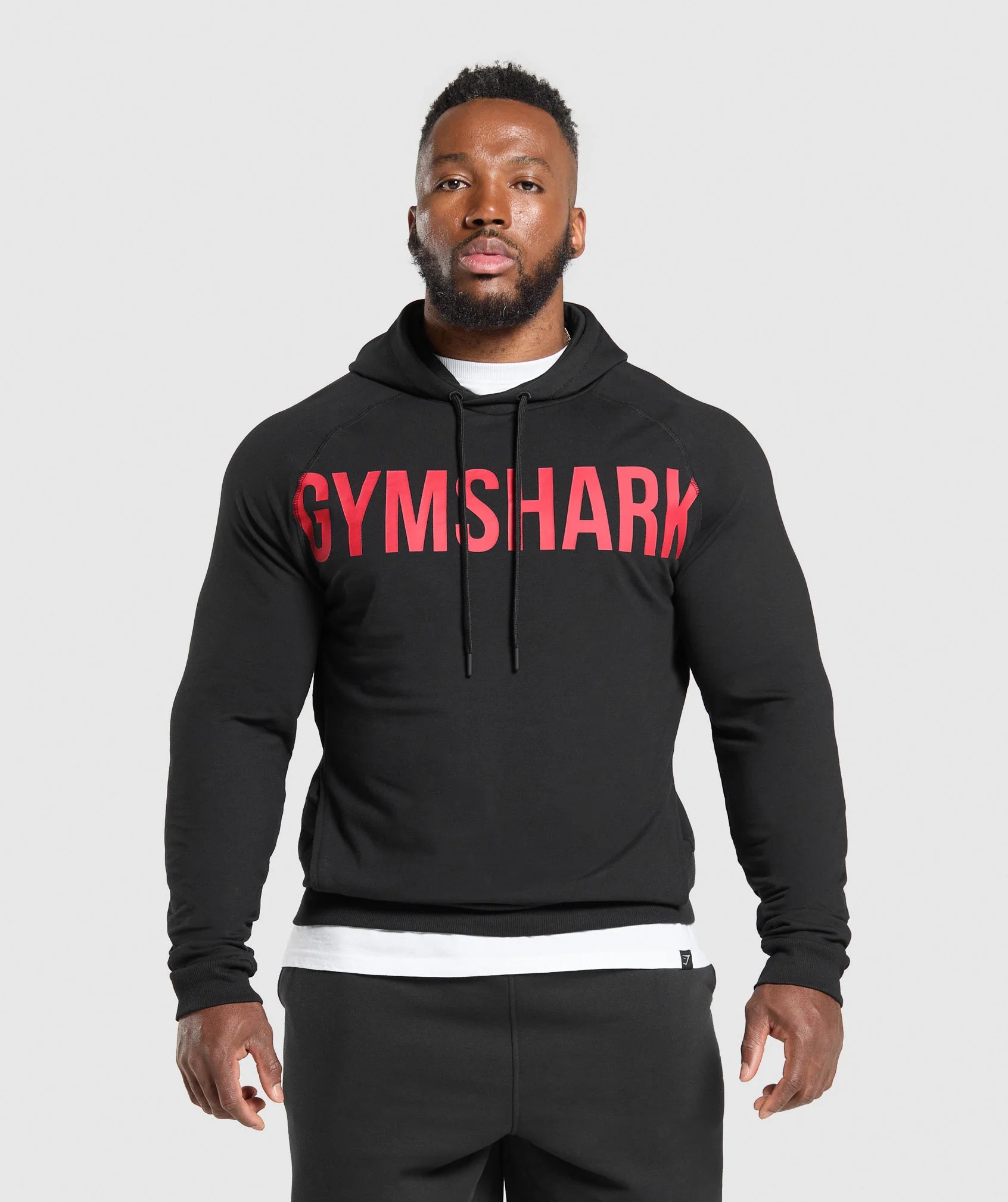
It’s hard to believe that a billion-dollar fitness brand like Gymshark started from a small UK garage.
Yet within a decade, it became one of the most recognizable names in fitness apparel — loved by influencers, athletes, and gym-goers worldwide.
As someone who works in the fitness apparel manufacturing industry, I’ve followed Gymshark’s growth closely.
Here’s my first-hand, simple breakdown of how a small idea turned into a global movement.
Table of Contents
- From Garage to Global: Gymshark’s Early Story
- The Turning Point: Influencer Marketing Before It Was Cool
- Product Quality & Seamless Fit: The Hidden Advantage
- Social Media Mastery: Building a Tribe, Not a Brand
- Global Expansion & Market Strategy
- Lessons Gymshark Teaches New Fitness Brands
- Comparison: Gymshark vs Traditional Sportswear Giants
- FAQs
- About FuKi Gymwear – Custom Fitness Apparel Manufacturer
1. From Garage to Global: Gymshark’s Early Story
Gymshark began in 2012, when Ben Francis, a 19-year-old college student in Birmingham, UK,
started printing gym logos on T-shirts in his parents’ garage.
| Year | Milestone | Description |
|---|---|---|
| 2012 | Brand founded | Ben Francis starts sewing gym wear manually |
| 2013 | First viral moment | Exhibited at BodyPower Expo — massive exposure |
| 2014–2016 | Influencer boom | Collaborations with fitness YouTubers |
| 2020 | Valuation over $1.4 billion | Officially joins the “unicorn club” |
💡 The brand wasn’t built overnight — it was built through focus, feedback, and community.
2. The Turning Point: Influencer Marketing Before It Was Cool
Long before “influencer marketing” became mainstream, Gymshark was already doing it right.
Key Moves:
- Partnered with micro-influencers — genuine, relatable athletes on YouTube and Instagram.
- Created “Gymshark Athletes” — not just ads, but community ambassadors.
- Rewarded authenticity — real user feedback shaped new designs.
As someone who works with fitness creators, I can say Gymshark’s strategy was genius:
It didn’t buy fame — it built relationships.
3. Product Quality & Seamless Fit: The Hidden Advantage
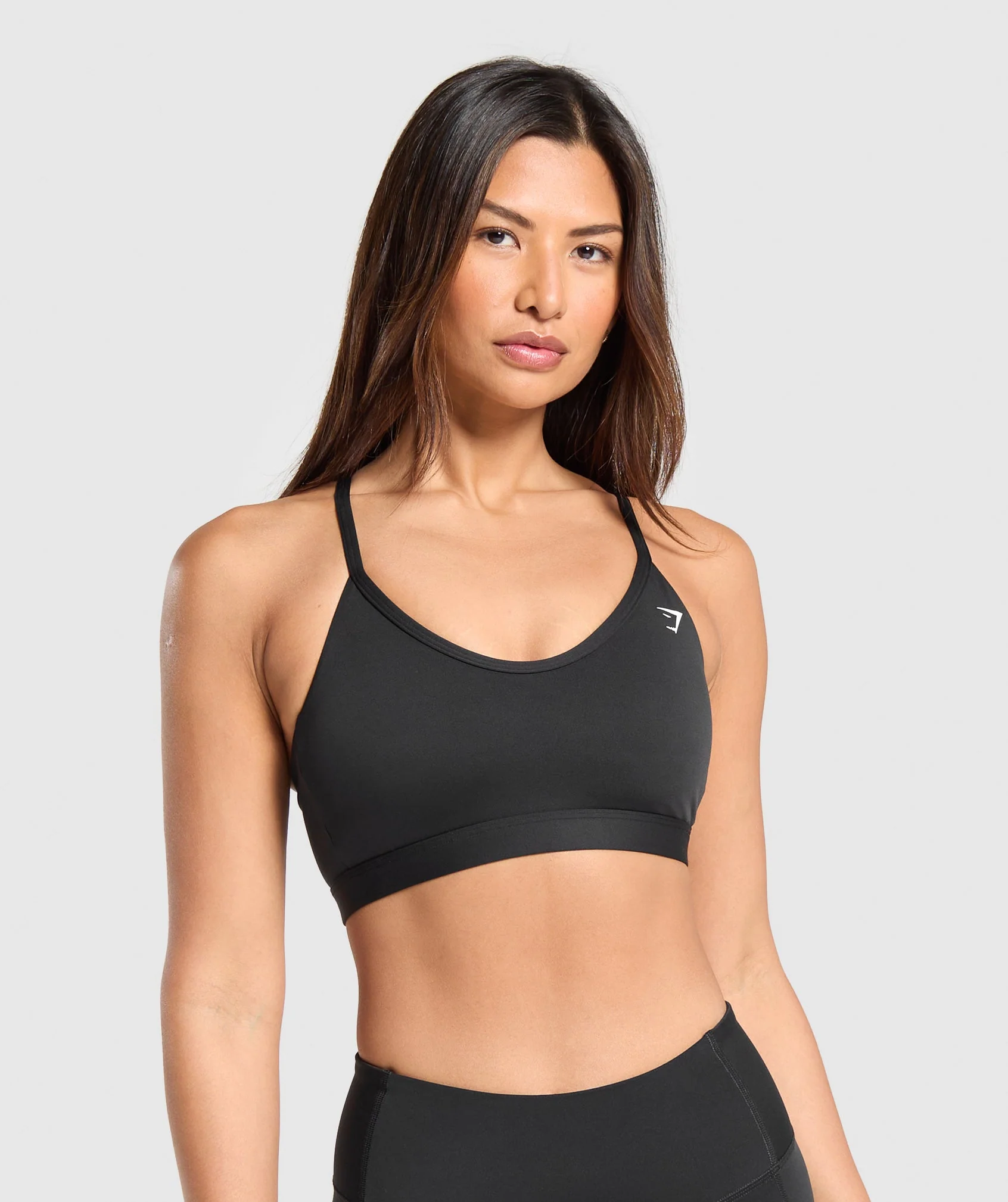
Many think Gymshark’s success came only from marketing, but product engineering played an equally crucial role.
| Feature | Description | User Benefit |
|---|---|---|
| Seamless knitting | Reduces friction and enhances flexibility | Comfortable for long workouts |
| 4-way stretch fabric | Nylon-Spandex blend | Moves with your body |
| Sculpting compression | Contours body shape | Flattering fit for camera and gym |
| Affordable pricing | Mid-tier cost with premium look | Ideal for young audiences |
🧵 From a manufacturer’s view, this balance between cost and performance is extremely rare — and that’s why it worked.
4. Social Media Mastery: Building a Tribe, Not a Brand
Gymshark didn’t just sell clothes — it sold identity.
What They Did Right:
- User-generated content: Reposts and challenges built massive organic reach.
- Emotional branding: “Be a Visionary” slogan inspired lifestyle beyond fitness.
- Consistent visual tone: Muted colors, clean aesthetics — perfect for Instagram & TikTok.
- Community-first events: Gymshark Lifts and pop-up stores reinforced connection.
💬 Gymshark didn’t chase trends — it created one.
5. Global Expansion & Market Strategy
After dominating social media, Gymshark scaled its reach globally.
| Region | Entry Year | Strategy |
|---|---|---|
| US Market | 2015 | Partnered with American influencers |
| Europe | 2016–2018 | Expanded distribution centers |
| Asia-Pacific | 2019 | Focused on eCommerce and logistics |
| Global HQ | 2021 | Opened new Birmingham campus |
Gymshark never opened mass retail stores — it stayed direct-to-consumer (DTC) to maintain full brand control and higher margins.
6. Lessons Gymshark Teaches New Fitness Brands
As someone who helps brands build activewear collections, here’s what Gymshark taught the entire industry:
- Start small, scale smart.
- Focus on fit before fame.
- Community is your best marketing.
- Consistency beats virality.
- Manufacturing partners matter.
💡 In short: it’s not about having the biggest budget — it’s about understanding your audience.
7. Comparison: Gymshark vs Traditional Sportswear Giants
| Factor | Gymshark | Nike / Adidas | Key Takeaway |
|---|---|---|---|
| Founded | 2012 | 1960s | Modern digital-first |
| Marketing Focus | Influencers, social media | Celebrity sponsorships | Relatability wins |
| Sales Channel | DTC eCommerce | Retail & eCommerce | Higher profit margins |
| Target Audience | Gen Z & Millennials | All ages | Niche community focus |
| Production | Outsourced (China/Asia) | Outsourced (Asia) | Similar quality network |
✅ Gymshark succeeded by being agile and authentic — something big brands struggle to do quickly.
8. FAQs
Q1. How did Gymshark start?
Gymshark started in 2012 in a UK garage by Ben Francis, hand-sewing gym apparel.
Q2. Is Gymshark made in the UK?
No, most production happens in Asia (China, Bangladesh, Vietnam), but the brand is UK-owned.
Q3. What made Gymshark go viral?
Its influencer-first approach and community-driven content made it stand out early.
Q4. How fast did Gymshark grow?
It hit £100M in sales within 7 years — without retail stores.
9. About FuKi Gymwear – Custom Fitness Apparel Manufacturer
At FuKiGymwear.com, we help brands build their own success stories like Gymshark —
offering OEM & ODM manufacturing for custom fitness apparel.
Our services include:
- Low MOQ (100 pcs) production for startups
- Custom fabrics & seamless engineering
- Private label printing & logo options
- Fast lead times: Samples in 7–10 days, bulk in 25–35 days
- Eco-friendly materials for sustainable collections
If you’re a new fitness brand or influencer,
we can help you design, prototype, and scale your activewear line — just like Gymshark did from its garage days.
👉 Ready to start your own Gymshark-style brand?
Visit FuKiGymwear.com to create your custom fitness apparel today.
