
Gymshark is one of the most recognizable gymwear brands in the world. It’s known for sleek designs, influencer marketing, and body-sculpting activewear.
However, if you search online, you’ll often see mixed reviews and questions like:
“Why does Gymshark have a bad reputation?”
As someone working in activewear manufacturing and brand development at FuKi Gymwear, I’ve studied Gymshark’s journey from startup brand to global fitness giant. Below is an honest breakdown of what caused its early reputation issues and how the brand has evolved.
Table of Contents
- Quick Answer
- Where Gymshark’s Reputation Issues Began
- Common Complaints About Gymshark
- Fabric and Durability Concerns
- Customer Service & Shipping Problems
- Influencer Marketing Controversy
- Has Gymshark Improved?
- Price & Reputation Comparison
- FAQs
- Build a Trusted Activewear Brand with FuKi Gymwear
Quick Answer
Gymshark’s early reputation challenges mainly came from:
- inconsistent quality in early product lines
- customer service and shipping delays during rapid growth
- heavy influencer marketing that some consumers viewed as overly promotional
Today, Gymshark has improved its materials, logistics systems, and brand positioning. It is now considered one of the most recognizable mid-premium fitness apparel brands globally.
1. Where Gymshark’s Reputation Issues Began
Gymshark was founded in 2012 by Ben Francis in the UK.
The brand exploded in popularity thanks to influencer partnerships and viral marketing. However, its production and logistics systems initially struggled to keep up.
This led to:
- stock shortages
- shipping delays
- inconsistent product quality
From a manufacturing perspective, Gymshark worked with multiple suppliers during its early growth, which often causes variations in fit, fabric quality, and stitching consistency.
2. Common Complaints About Gymshark
Many early customer complaints fell into a few main categories.
| Category | Main Complaint | Root Cause |
|---|---|---|
| Quality | Leggings too thin or see-through | Early fabric sourcing |
| Fit | Sizes inconsistent or run small | Unstandardized grading |
| Customer Service | Slow responses or lost orders | Rapid growth |
| Brand Image | Over-edited influencer marketing | Perceived inauthenticity |
Although many of these issues have improved, older reviews still affect public perception.
3. Fabric and Durability Concerns
Some early Gymshark collections — such as Vital Seamless and Energy+ — received criticism for:
- lightweight compression fabrics
- pilling after frequent washing
- waistbands losing elasticity
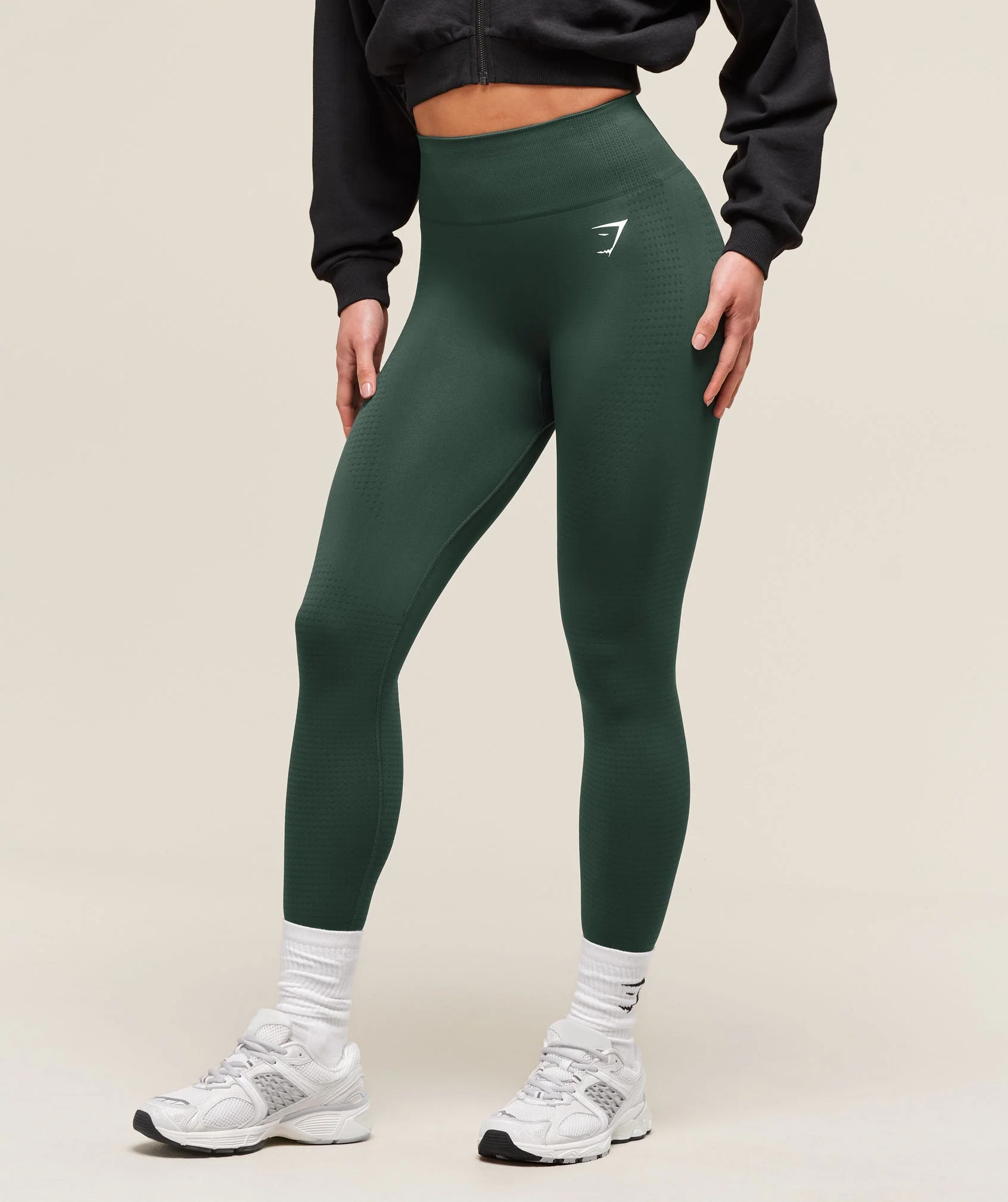
Today, Gymshark has introduced stronger fabric blends and improved stitching techniques.
Compared with premium brands like Lululemon or Vuori, Gymshark still sits in the mid-range durability category, but its newer products are much more reliable than earlier collections.
4. Customer Service & Shipping Problems
Between 2018 and 2021, Gymshark experienced operational growing pains.
Common issues included:
- international shipping times of 2–4 weeks
- delayed refunds
- limited customer service support channels
The company has since expanded regional warehouses in the UK, United States, and Europe, reducing delivery times to under a week in most major markets.
5. Influencer Marketing Controversy
Gymshark was one of the pioneers of fitness influencer marketing.
While this strategy fueled massive growth, it also created criticism:
- unrealistic body standards
- overly polished marketing campaigns
- limited diversity in early promotions
Since 2022, Gymshark has shifted toward more inclusive campaigns, featuring athletes and everyday fitness enthusiasts.
At FuKi Gymwear, we often advise emerging brands to combine aspirational branding with authentic storytelling—a balance Gymshark has gradually achieved.
6. Has Gymshark Improved?
Yes—significantly.
Key improvements include:
- better quality control and fabric sourcing
- faster global shipping infrastructure
- more inclusive marketing campaigns
- sustainability initiatives using recycled fabrics
While Gymshark experienced early growing pains, it is now widely viewed as a strong mid-premium performance brand.
Price & Reputation Comparison
| Brand | Reputation | Average Price Range (USD) | Strengths | Weaknesses |
|---|---|---|---|---|
| Gymshark | Improving | $40 – $90 | Stylish, community-driven, affordable | Earlier QC and sizing issues |
| Lululemon | Excellent | $80 – $150 | Premium fabrics, superior durability | Higher prices |
| Alo Yoga | High | $70 – $160 | Luxury athleisure, influencer appeal | Expensive for casual users |
| Vuori | High | $70 – $130 | Sustainable comfort, minimal design | Limited product range |
| FuKi Gymwear (OEM) | Customizable | Flexible (MOQ-based) | Private-label manufacturing, custom fits | Requires brand setup |
Gymshark’s growth demonstrates how fast-scaling brands can recover from early issues through improved quality control and transparency.
FAQs
Q1: Why does Gymshark have a bad reputation?
Mostly because of early quality inconsistencies, shipping delays, and influencer-heavy marketing.
Q2: Has Gymshark fixed these issues?
Yes. Newer collections feature better fabrics and improved logistics.
Q3: Is Gymshark good quality now?
It is generally considered mid-premium quality, stronger than fast fashion but below luxury performance brands.
Q4: Is Gymshark sustainable?
The brand has begun incorporating recycled materials but has not yet achieved full sustainability.
Build a Trusted Activewear Brand with FuKi Gymwear
If Gymshark’s journey inspires you but you want to build a brand with consistent quality from the start, FuKi Gymwear can help.
We provide:
- OEM & ODM manufacturing for gymwear, yoga wear, and streetwear
- eco-friendly fabrics such as recycled polyester, bamboo, and spandex
- custom logos, packaging, and label solutions
- low MOQ production ideal for startup brands
- worldwide delivery to the U.S., Europe, and Australia
FuKi Gymwear helps brands avoid common production mistakes and build a reputation based on quality, sustainability, and performance.
