
Many sports fans and athletes ask: Where is Under Armour made?
Although Under Armour is headquartered in Baltimore, Maryland, USA, most of its apparel, footwear, and accessories are produced through global manufacturing partners. Below is a structured breakdown of its production locations, supply-chain strategy, and how it compares to other activewear giants.
Table of Contents
- Under Armour’s Global Manufacturing Overview
- Main Manufacturing Countries
- Quality Control and Sustainability
- Why Global Production Works for Under Armour
- Comparison with Other Sportswear Brands
- FAQ
- Custom Activewear Manufacturing with FuKi Gymwear
- Conclusion
Under Armour’s Global Manufacturing Overview
Under Armour is an American sportswear brand, but like Nike and Adidas, it outsources most production globally.
The company partners with independent suppliers to achieve:
- High-volume output
- Cost efficiency
- Access to advanced textile and footwear technology
This strategy allows Under Armour to maintain competitive pricing while continuing product innovation.

Main Manufacturing Countries
Under Armour works with trusted suppliers across several regions:
- Vietnam
- China
- Indonesia
- Philippines
- Jordan & Egypt
Production Breakdown
| Country / Region | Key Products | Reason for Production |
|---|---|---|
| Vietnam | Footwear, sports apparel | Skilled workforce and advanced textile industry |
| China | Apparel, accessories | Large-scale capacity and manufacturing technology |
| Indonesia | Footwear, activewear | Competitive labor cost and footwear expertise |
| Philippines | Apparel | Strong garment manufacturing base |
| Jordan & Egypt | Apparel | Favorable trade agreements with the U.S. |
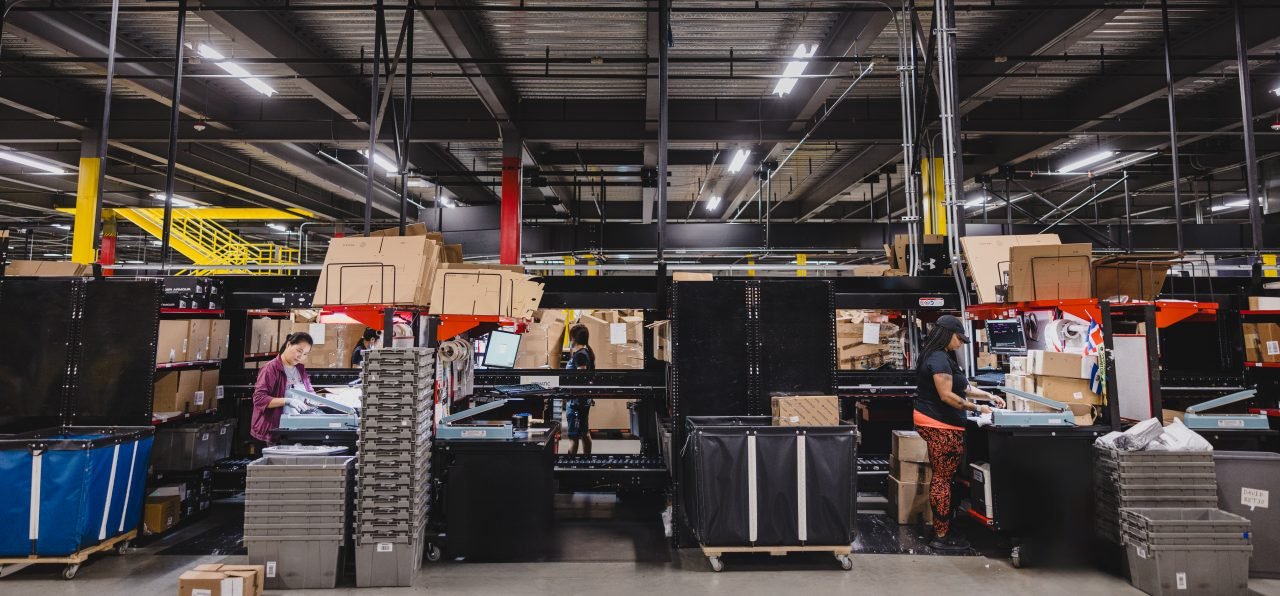
This diversified network helps reduce geopolitical risk and maintain steady global supply.
Quality Control and Sustainability
Despite outsourcing production, Under Armour maintains strict standards:
- Regular audits of partner factories
- Supplier code of conduct covering labor, safety, and environment
- Increasing use of recycled and eco-friendly fabrics
These measures ensure product consistency and support sustainability initiatives.
Why Global Production Works for Under Armour
Multi-country sourcing offers several advantages:
- Risk Diversification: Reduces reliance on a single manufacturing region
- Cost Management: Balances production efficiency with performance quality
- Faster Distribution: Regional hubs shorten delivery times to major markets
Global sourcing is now standard practice in the sportswear industry.
Comparison with Other Sportswear Brands
| Brand | Headquarters | Main Production Regions |
|---|---|---|
| Under Armour | USA | Vietnam, China, Indonesia, others |
| Nike | USA | Vietnam, China, Thailand, others |
| Adidas | Germany | China, Vietnam, Indonesia, others |
Under Armour’s manufacturing approach aligns closely with top global competitors.
FAQ
Q1: Does Under Armour produce anything in the U.S.?
A small portion of specialty or limited-edition items may be U.S.-made, but over 90% of production is overseas.
Q2: How does Under Armour ensure product quality?
Through strict supplier audits, advanced lab testing, and standardized quality protocols.
Q3: Why not manufacture primarily in the U.S.?
Cost efficiency, scalability, and access to specialized manufacturing expertise require a global supply chain.
Q4: Is sustainability a priority?
Yes. Under Armour increasingly uses recycled materials and works toward reducing emissions.
Custom Activewear Manufacturing with FuKi Gymwear
If you’re planning to launch your own activewear brand, FuKi Gymwear offers:
- Low MOQ production for startups
- Advanced printing, embroidery, and private labeling
- Eco-friendly and high-performance fabric options
- International production meeting strict quality standards
This is ideal for brands looking to build scalable, high-quality sportswear collections.
Conclusion
Under Armour is designed in the United States but manufactured globally, with major hubs in Vietnam, China, Indonesia, and other regions.
This global production model keeps pricing competitive, maintains high product standards, and supports worldwide demand—mirroring industry leaders like Nike and Adidas.
