
Biker shorts have evolved from a cycling staple to a mainstream activewear must-have. For gym wear brands, they offer a high-margin, low-sku-complexity entry point into bottoms. This guide explains how to source biker shorts OEM production, what to specify, and how to avoid the most common sourcing mistakes.
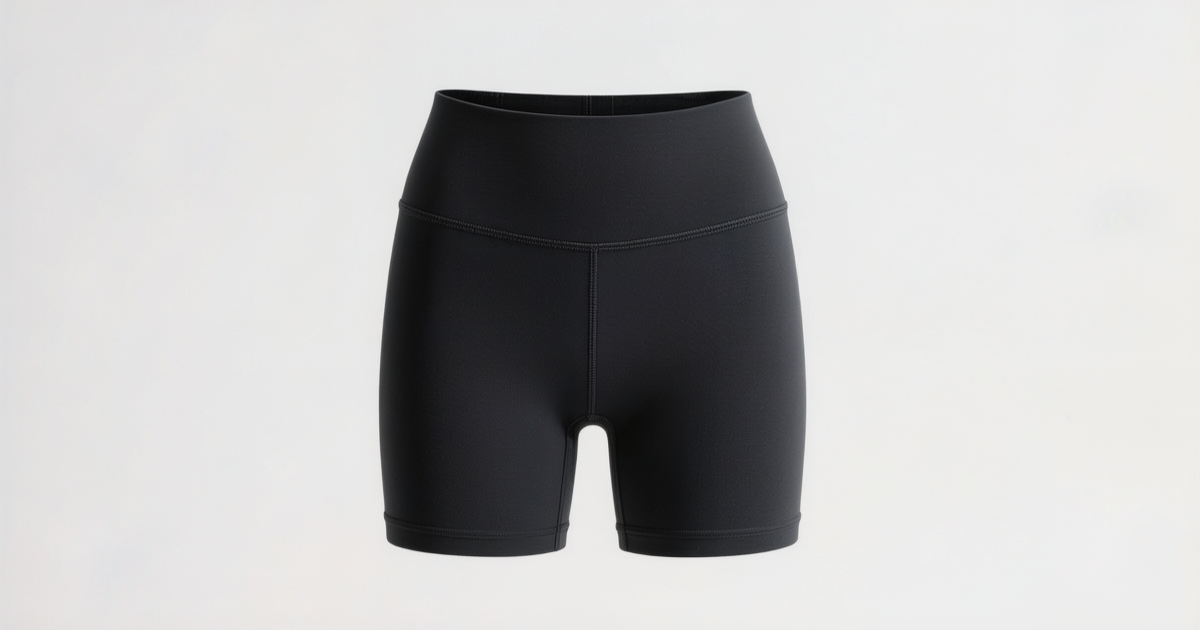
Table of Contents
- Why Biker Shorts Are a High-Margin Category
- Key Fabrics and Construction Details
- OEM vs ODM Production Models
- Top Manufacturing Regions
- What to Look for in a Manufacturer
- Price Benchmarks and MOQ Expectations
- Certifications That Matter
- Common Questions About Biker Shorts OEM
- Final Checklist Before Ordering
Why Biker Shorts Are a High-Margin Category
The global athletic apparel market continues to expand, with Statista projecting sustained growth in activewear. Within that category, biker shorts sit at the intersection of performance and casual wear. They require less fabric than leggings, which lowers material cost, while retail prices often remain comparable to capri-length products.
For emerging gym brands, biker shorts offer three advantages:
- Lower fabric consumption compared to full-length leggings or track pants.
- Faster sample cycles because the pattern is simpler and grading is easier.
- Strong social-media appeal, making them ideal for influencer seeding.
Unlike joggers or sweatpants, biker shorts are worn year-round in gyms, studios, and casual settings, giving them a longer selling season.
Key Fabrics and Construction Details
The right fabric determines fit, compression, and durability. Most successful biker shorts use a blend of nylon or polyester with spandex, typically ranging from 18% to 28% elastane for high-compression styles.
| Fabric Blend | Compression Level | Best Use Case | Typical GSM |
|---|---|---|---|
| Nylon 82% / Spandex 18% | Medium | Studio, yoga, daily gym | 210-230 |
| Polyester 75% / Spandex 25% | High | HIIT, cycling, running | 240-260 |
| Recycled Nylon 80% / Spandex 20% | Medium-High | Sustainable premium lines | 220-240 |
| Seamless Nylon/Spandex | Variable | Fashion-forward drops | 180-210 |
Construction details that buyers often overlook:
- Gusset: A diamond or triangle inset reduces crotch stress and improves fit.
- Flatlock seams: Prevent chafing during long workouts.
- Waistband width: A 4.5-6 cm wide waistband is the sweet spot for most body types.
- Inseam length: 6-inch and 8-inch inseams are the most common retail lengths.
OEM vs ODM Production Models
When sourcing biker shorts, you will choose between OEM and ODM. The decision affects timeline, cost, and brand differentiation.
| Model | Design Ownership | MOQ | Timeline | Best For |
|---|---|---|---|---|
| OEM | Buyer provides tech pack | 300-500 pieces per color | 45-75 days | Brands with unique designs |
| ODM | Factory provides design | 150-300 pieces per color | 30-45 days | Fast launch, limited customization |
OEM gives you control over fit, fabric, and branding. ODM lets you test the market faster with private-label styles. Many brands start with ODM for the first collection and move to OEM once they understand their customer fit preferences.
Top Manufacturing Regions
Most activewear OEM production is concentrated in Asia, but regional capabilities vary significantly.
- China (Guangdong, Fujian, Zhejiang): Full-package capability, widest fabric selection, strong for both small and large orders.
- Vietnam: Competitive labor costs, growing fabric ecosystem, strong for mid-to-large volume.
- Taiwan, China: High-performance fabric mills and advanced seamless knitting.
- Bangladesh: Cost-focused, large-volume basics, longer lead times.
When selecting a region, balance unit cost against shipping time, minimums, and your ability to visit or audit the factory. A WRAP-certified facility can simplify your social-compliance documentation.
What to Look for in a Manufacturer
Not every factory that makes leggings can make biker shorts well. The shorter inseam and higher waistband ratio change the fit tolerance.
| Capability | Why It Matters | How to Verify |
|---|---|---|
| Pattern grading | Waist-to-thigh ratio changes across sizes | Request size-run sample set |
| Compression testing | Ensures consistent support level | Ask for fabric elongation report |
| Elastic attachment | Prevents waistband rolling | Inspect seam stretch and recovery |
| Color fastness | Dark shorts must not bleed in wash | Request ISO 105 test report |
Always ask for a full size-run sample, not just a medium. Biker shorts compress the thigh, so sizing inconsistencies become visible quickly. A factory that refuses to produce a graded sample set is a red flag.
Price Benchmarks and MOQ Expectations
Pricing for biker shorts depends heavily on fabric, order volume, and decoration complexity.
| Order Volume | Estimated FOB Price | Typical MOQ |
|---|---|---|
| 100-300 pieces | $8.50 - $12.00 | 2-3 colors per style |
| 300-1,000 pieces | $6.50 - $9.00 | 300 pieces per color |
| 1,000+ pieces | $5.00 - $7.50 | 500-1,000 per color |
These are rough benchmarks. Sustainable or seamless fabrics can add 15-30% to the base price. If you are also sourcing crop tops or matching tops, negotiate a bundle MOQ to lower the per-piece cost.
Certifications That Matter
Retailers and consumers increasingly expect proof of safety and sustainability. The most commonly requested certifications for activewear include:
- OEKO-TEX Standard 100 — verifies that textiles are free from harmful substances.
- Global Recycled Standard (GRS) — tracks recycled content and supply-chain practices.
- WRAP — social-compliance standard for lawful, humane manufacturing.
- ISO 12952 / flammability — relevant if you sell in markets with fire-safety regulations.
Ask your factory for valid certificate copies and cross-check the certificate numbers with the issuing body. Many factories claim certification but cannot produce current documentation.
Common Questions About Biker Shorts OEM
Which fabric blend is best for high-compression biker shorts
For high compression, use polyester with at least 22-25% spandex. Polyester offers better shape retention than nylon, while the higher spandex content delivers the squeeze many athletes expect. Add a brushed interior only if the product is positioned for cooler climates.
How to confirm a manufacturer can match your brand quality
Request three reference products in similar fabrics and construction. Evaluate them for seam strength, color consistency, and waistband recovery. Then send your tech pack for a counter-sample. If the counter-sample is within two rounds of revision, the factory is likely capable.
What MOQ is realistic for a first biker shorts order
A first order of 300-500 pieces across two colors is realistic for most OEM factories. Some ODM houses will accept 150 pieces per color. Anything below 100 pieces usually pushes you into sampling or wholesale, not true OEM production.
Which certifications reduce compliance risk
OEKO-TEX Standard 100 covers chemical safety and is the most common entry-level requirement. If you market recycled content, GRS is essential. For European or North American retailers, WRAP or BSCI social audits are typically required.
How long a typical biker shorts production run takes
From confirmed sample to ex-factory, expect 45-60 days for OEM and 30-45 days for ODM. Add 1-2 weeks for fabric sourcing if you choose a custom color or dye lot. Sea freight to the US or Europe adds another 25-40 days.
Final Checklist Before Ordering
- Define inseam length, waistband width, and compression level in the tech pack.
- Confirm fabric composition, GSM, and stretch/recovery specs.
- Request graded samples in at least three sizes.
- Verify factory certifications directly with the issuing body.
- Lock in MOQ, payment terms, and delivery schedule in writing.
- Plan a quality-control inspection before shipment.
With the right factory and clear specifications, biker shorts can become a reliable, repeatable category for your gym wear line. Focus on fit, fabric, and compliance, and you will avoid the most common sourcing setbacks.
