
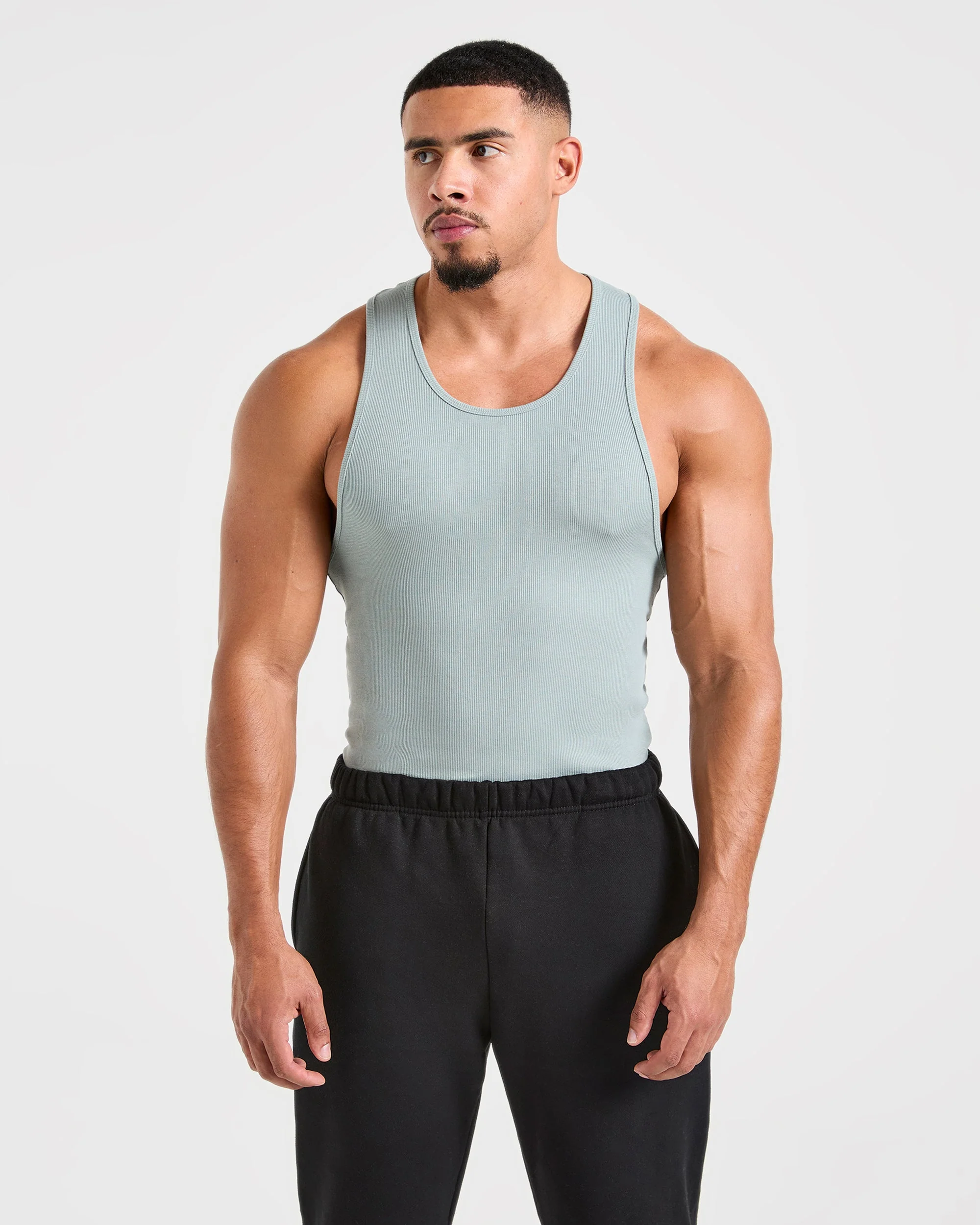
Table of Contents
- Overview of the Fitness Tank Top OEM Market
- Top Fitness Tank Top Manufacturers Worth Partnering With
- Fabric Selection for Performance Tank Tops
- MOQ and Pricing Structures Compared
- Customization Options for Private Label Brands
- Certifications and Compliance Requirements
- Sourcing Tips for First-Time Buyers
- Common Questions About Fitness Tank Top Manufacturing
Overview of the Fitness Tank Top OEM Market
The global activewear market continues its upward trajectory, with Statista projecting the sector to surpass $546 billion by 2030. Within this landscape, fitness tank tops represent one of the fastest-growing product categories — driven by the rise of athleisure, cross-training culture, and consumer demand for breathable, versatile training apparel.
For private label brands and fitness startups, sourcing tank tops through OEM (Original Equipment Manufacturer) partnerships offers significant advantages: lower per-unit costs, access to advanced fabric technology, and the ability to launch custom-branded products without owning production facilities. China, Bangladesh, Vietnam, and Turkey remain the dominant manufacturing hubs, with Chinese factories leading in fabric innovation and small-batch flexibility.
Unlike leggings or sports bras, tank tops present unique sourcing considerations — they require less fabric per unit, but demand precise cut-and-sew accuracy around armholes and necklines. The right manufacturer can make the difference between a bestselling staple and a fit-complaint magnet.
Top Fitness Tank Top Manufacturers Worth Partnering With
Based on production capability, certification portfolio, MOQ flexibility, and track record with Western fitness brands, the following manufacturers stand out in the fitness tank top OEM space:
1. Fuki Gymwear (Dongguan, China)
Fuki Gymwear specializes in performance activewear OEM/ODM, with deep expertise in fitness tank tops, workout sets, and compression wear. Their in-house fabric development lab produces proprietary moisture-wicking blends, and they support MOQs as low as 200 pieces per style. Fuki holds OEKO-TEX Standard 100 and GRS certifications, making them a strong partner for brands targeting eco-conscious consumers. Their integrated sample room delivers prototyping within 7–10 business days.
2. Rainseed Sports (Dongguan, China)
Rainseed Sports operates a 3,000m² facility focused on cut-and-sew activewear, including racerback tanks, stringer tanks, and muscle shirts. They offer competitive pricing at scale (5,000+ unit orders) and maintain BSCI and SEDEX certifications. Their minimum order starts at 300 pieces per colorway.
3. Fit OEM (Xiamen, China)
Fit OEM is a mid-size manufacturer with a strong reputation among European fitness brands. They specialize in seamless and cut-and-sew tank tops using recycled nylon and polyester blends. Their R&D team can develop custom fabric compositions, and they support full-package service from design to delivery. MOQ starts at 500 pieces.
4. Active Gear Manufacturing (Istanbul, Turkey)
For brands seeking nearshore production for the European market, Active Gear Manufacturing offers 15–20 day lead times on tank top orders. They use European-sourced fabrics and hold OEKO-TEX and GOTS certifications. Their strength lies in premium positioning with organic cotton and Tencel blends for athleisure tank tops.
5. Dragon Athletic (Ho Chi Minh City, Vietnam)
Dragon Athletic is a Vietnam-based manufacturer with experience serving mid-tier fitness brands in the US and Australia. They offer competitive labor costs and benefit from Vietnam's free trade agreements. Their tank top production lines handle both basic and performance styles, with WRAP certification ensuring ethical manufacturing practices.
6. Pro-Fit Apparel (Dhaka, Bangladesh)
Pro-Fit Apparel caters to high-volume orders (10,000+ units) at the most aggressive price points in this list. They are WRAP-certified and BSCI-audited, making them suitable for brands prioritizing cost efficiency at scale. Their tank top lines cover basic cotton blends to performance poly-spandex fabrics.
Fabric Selection for Performance Tank Tops
Fabric choice is the single most important decision in tank top development. The right material determines comfort, durability, print quality, and price point. Here is a comparison of the most common fabric options for fitness tank tops:
| Fabric Type | Composition | Weight (GSM) | Best For | Price Index |
|---|---|---|---|---|
| Polyester-Spandex | 88% Poly / 12% Spandex | 150–180 | Performance training, gym workouts | $$ |
| Recycled Nylon Blend | 78% Recycled Nylon / 22% Spandex | 160–200 | Premium activewear, eco-branding | $$$ |
| Cotton-Poly Blend | 60% Cotton / 40% Polyester | 160–200 | Athleisure, casual gym wear | $ |
| Bamboo Viscose | 95% Bamboo / 5% Spandex | 140–170 | Yoga, low-impact training | $$$ |
| Mesh-Poly Panel | 100% Polyester (mesh panels) | 120–150 | HIIT, CrossFit, ventilation | $$ |
For brands focused on sustainability, the Global Recycled Standard (GRS) certification ensures that recycled content claims are verified throughout the supply chain. Meanwhile, OEKO-TEX Standard 100 certification guarantees that fabrics are free from harmful substances — a critical selling point for direct-to-consumer fitness brands.
MOQ and Pricing Structures Compared
Understanding MOQ (Minimum Order Quantity) and pricing tiers is essential for budgeting your first production run. The table below summarizes typical pricing across manufacturer tiers:
| Manufacturer Tier | MOQ (Pieces) | Unit Price (USD) | Sample Lead Time | Bulk Lead Time |
|---|---|---|---|---|
| Small Studio (Fuki, Rainseed) | 200–300 | $4.50–$7.00 | 7–10 days | 20–30 days |
| Mid-Size Factory (Fit OEM) | 500–1,000 | $3.50–$5.50 | 10–14 days | 30–40 days |
| Large-Scale (Pro-Fit) | 5,000–10,000 | $2.00–$3.50 | 14–21 days | 45–60 days |
| Nearshore (Active Gear) | 500–1,000 | $5.00–$8.00 | 5–7 days | 15–20 days |
Key pricing factors include fabric grade, print complexity (sublimation vs. screen print vs. heat transfer), trim details (binding, labels, drawcords), and order volume. Always request a detailed cost breakdown — not just a unit price — to identify hidden charges for pattern-making, color setup, or packaging.
Customization Options for Private Label Brands
Modern OEM factories offer extensive customization that goes far beyond adding your logo. Here are the key customization dimensions for fitness tank tops:
Cut and Silhouette: Racerback, stringer, muscle tank, cropped, relaxed fit, and A-line cuts are all standard options. Factories like Fuki Gymwear offer both seamless and cut-and-sew construction methods, each with different fit characteristics and production requirements.
Fabric Development: Leading manufacturers can develop custom fabric blends to your specifications — adjusting spandex percentage for compression level, adding antimicrobial treatments, or incorporating cooling technologies. This typically requires a 500–1,000 meter minimum fabric order.
Print and Decoration: Sublimation (all-over print), screen printing, heat transfer vinyl, embroidered logos, and woven labels are the primary decoration methods. Sublimation offers unlimited colorways without setup fees, making it ideal for small-batch brand launches. For more on decoration techniques, see our custom gym wear fabrics guide.
Trims and Details: Neck binding, armhole finishing, hem labels, care labels, hang tags, and custom poly bags are all customizable. These details significantly influence perceived quality at retail.
Certifications and Compliance Requirements
Certifications serve as trust signals for both B2B buyers and end consumers. The most relevant certifications for fitness tank top manufacturing include:
- OEKO-TEX Standard 100: Tests fabrics for over 100 harmful substances. Essential for any brand selling in the EU or claiming "non-toxic" positioning. Verify OEKO-TEX certificates online.
- GRS (Global Recycled Standard): Validates recycled content claims and tracks the supply chain from recycled input to finished product.
- WRAP: The Worldwide Responsible Accredited Production (WRAP) certification ensures ethical labor practices, safe working conditions, and environmental compliance.
- BSCI: Business Social Compliance Initiative audit, widely recognized by European retailers and brands.
- SEDEX / SMETA: Ethical trade audit covering labor standards, health and safety, and environmental practices.
Always request copies of current certificates and verify their validity through the issuing body. Expired or forged certificates are unfortunately common in the industry.
Sourcing Tips for First-Time Buyers
Launching your first tank top collection requires careful planning. Here are practical tips drawn from industry experience:
1. Start with Tech Packs: A detailed tech pack (including flat sketches, measurement specs, fabric requirements, and construction notes) eliminates ambiguity and reduces sample iterations. Include photos of reference garments to communicate fit preferences clearly.
2. Order Physical Samples First: Never commit to bulk production without approving a physical sample. Evaluate fabric hand-feel, stretch recovery, seam quality, and print accuracy. Budget for 2–3 sample rounds.
3. Negotiate Payment Terms: Standard terms are 30% deposit / 70% before shipment. For established relationships, negotiate to 30/70 with 30-day net payment after delivery. Use trade assurance platforms like Alibaba Trade Assurance for new supplier relationships.
4. Plan for Size Grading: Fitness tank tops typically run in XS–2XL. Ensure your manufacturer can accommodate inclusive sizing and request size charts for each grade. According to Wikipedia's clothing size reference, size grading inconsistencies are a leading cause of consumer returns.
5. Quality Control Inspections: Hire a third-party QC service (such as SGS or QIMA) to perform pre-shipment inspections. This catches defects before goods leave the factory and gives you leverage for rework claims.
Common Questions About Fitness Tank Top Manufacturing
What is the typical MOQ for custom fitness tank tops
Most Chinese OEM factories set MOQs between 200 and 500 pieces per style per colorway. Small-batch specialists like Fuki Gymwear can accommodate 200-piece minimums, while larger factories may require 1,000+ units. Nearshore manufacturers in Turkey and Portugal often have higher MOQs (500–1,000) but offer faster turnaround.
How long does it take to produce a custom tank top order
From sample approval to bulk delivery, expect 25–45 days for Chinese manufacturers. This breaks down into fabric sourcing (7–15 days), cutting and sewing (10–15 days), and shipping (5–15 days depending on method). Nearshore production in Turkey can reduce this to 15–25 days total. Always add buffer time for customs clearance.
Which fabric is best for gym tank tops
Polyester-spandex blends (88/12 or 90/10) are the industry standard for performance tank tops because they offer excellent moisture-wicking, four-way stretch, and durability. For eco-positioning, recycled nylon-spandex blends deliver comparable performance with verified sustainability credentials. Cotton-poly blends work well for athleisure positioning but are not ideal for high-intensity training.
How to verify a manufacturer's certifications
Request the certificate number and issuer directly from the factory, then verify through the issuing body's online portal. OEKO-TEX certificates can be verified at oeko-tex.com, GRS certificates through the Global Recycled Standard website, and WRAP certificates through wrapcompliance.org. Be wary of factories that only provide certificate images without verification numbers.
What is the cost difference between cut-and-sew and seamless tank tops
Cut-and-sew tank tops typically cost $3.50–$7.00 per unit depending on fabric and order volume, while seamless construction runs $5.00–$9.00 per unit due to the specialized circular knitting machinery required. Seamless tanks offer superior comfort and minimal chafing, making them popular for yoga and Pilates markets. Cut-and-sew remains more versatile for complex designs with mesh panels or multi-fabric constructions.
Can I mix different tank top styles in one production order
Yes, most manufacturers allow style mixing within a production run, but each unique style typically counts toward its own MOQ. For example, if the factory's MOQ is 300 pieces, you would need to order 300 racerback tanks and 300 stringer tanks separately. Some factories offer "consolidated" MOQs where multiple styles share a combined minimum — negotiate this upfront.
