
Table of Contents
- Quick Answer
- What Is a Private Label Gym Wear Manufacturer
- Why Choose Private Label Gym Wear
- Overview: Steps to Build Your Brand Line
- Step 1: Define Your Brand Identity
- Step 2: Select Your Target Audience
- Step 3: Choose the Right Manufacturer
- Step 4: Product Selection & Customization
- Step 5: Design, Branding & Customization
- Step 6: Set Minimum Order Quantity (MOQ) & Pricing
- Step 7: Sampling & Quality Control
- Step 8: Plan Your Marketing Strategy
- Common Mistakes to Avoid When Starting a Private Label Line
- How Fukigymwear Helps Build Your Private Label Line
- FAQ
- Conclusion
Quick Answer
Building a private label gym wear brand involves defining your brand identity, selecting the right manufacturer, customizing products, and developing a strong marketing strategy.
At FuKi Gymwear, we provide full-service private label manufacturing to help you create a successful gym wear line.
What Is a Private Label Gym Wear Manufacturer
A private label gym wear manufacturer produces fitness apparel under your brand name, offering customization options for design, fabric, and branding.
Typical private label products include:
- leggings
- sports bras
- gym shorts
- T-shirts
- hoodies
👉 Private label manufacturers handle everything from production to packaging, allowing you to focus on your brand.
Why Choose Private Label Gym Wear
Private label gym wear offers several advantages:
- Brand Control: You control the design, branding, and customer experience.
- Faster Time to Market: No need to create new designs from scratch.
- Lower Risk: You can start with smaller quantities and scale up.
👉 Private labeling helps you create a unique brand without the hassle of manufacturing from scratch.
Overview: Steps to Build Your Brand Line
Building a private label gym wear line involves several steps:
- define your brand
- choose a target audience
- select a manufacturer
- customize products
- finalize branding
- set MOQ and pricing
- sample and approve
- market your brand
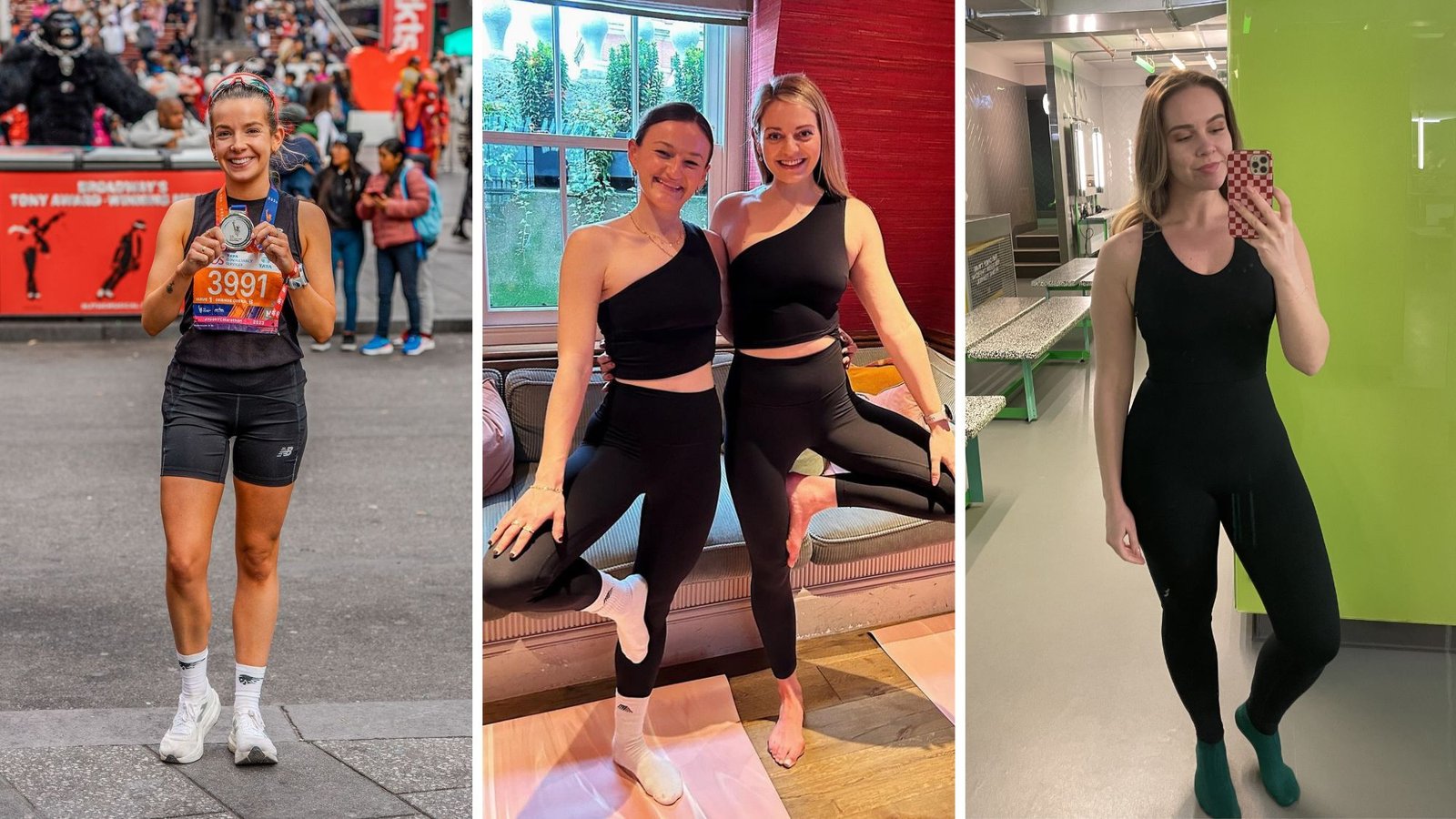
👉 A clear process ensures success from concept to launch.
Step 1: Define Your Brand Identity
Your brand identity is crucial for differentiation.
Consider:
- brand values: what sets you apart
- brand personality: energetic, minimalist, eco-conscious
- mission: your goals and vision
👉 A well-defined brand identity creates trust and recognition.
Step 2: Select Your Target Audience
Identify your audience to tailor your products:
- active fitness enthusiasts
- yoga practitioners
- athleisure consumers
👉 Understanding your audience helps you design products that appeal directly to their needs.
Step 3: Choose the Right Manufacturer
A reliable manufacturer is key to success.
Consider:
- experience with gym wear
- product customization options
- production capacity
- minimum order quantity (MOQ)
- communication
👉 Choose a manufacturer who aligns with your brand goals and can scale with you.
Step 4: Product Selection & Customization
Choose products that fit your brand’s vision.
Options include:
- leggings
- sports bras
- gym T-shirts
- hoodies
Customization options:
- fabric types
- colors
- branding elements (logos, tags, etc.)
👉 Focus on your key products to create a signature collection.
Step 5: Design, Branding & Customization
Develop strong branding for your products:
- logo placement
- custom labels and tags
- packaging design
- unique colorways
👉 A cohesive brand look enhances customer loyalty.
Step 6: Set Minimum Order Quantity (MOQ) & Pricing
MOQ and pricing are crucial for your business model.
Factors to consider:
- MOQ: Usually 100–300 pcs per style
- Pricing: Affects profit margins
- Production costs: Based on materials, labor, and design complexity
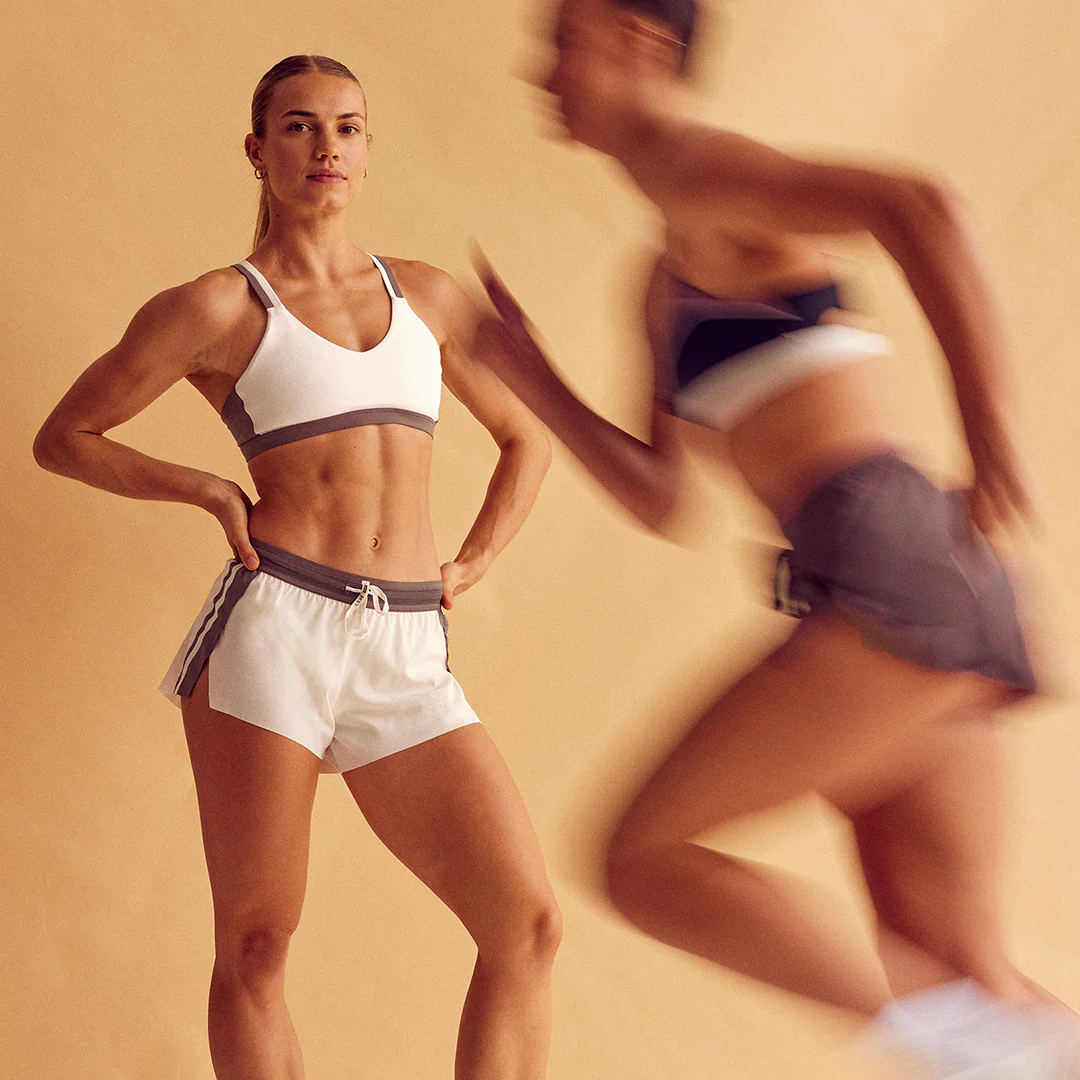
👉 Setting reasonable MOQ and competitive pricing helps manage risk and profitability.
Step 7: Sampling & Quality Control
Sample approval is essential before bulk production.
Ensure:
- fit and sizing
- fabric quality
- construction standards
👉 A strong quality control process prevents costly mistakes.
Step 8: Plan Your Marketing Strategy
Marketing is key to growing your private label brand.
Focus on:
- social media presence (Instagram, TikTok)
- influencer partnerships
- email marketing
- website design and e-commerce
👉 Effective marketing drives sales and brand visibility.
Common Mistakes to Avoid When Starting a Private Label Line
Mistake 1: Skipping the Research Phase
Leads to poorly defined products and market fit.
Mistake 2: Choosing the Wrong Manufacturer
Affects quality and delivery timelines.
Mistake 3: Not Understanding MOQ and Pricing
Leads to budget overruns or inventory issues.
Mistake 4: Poor Branding Consistency
Confuses customers and weakens brand identity.
How Fukigymwear Supports Private Label Gym Wear Brands
At FuKi Gymwear, we guide brands through every step of building a private label gym wear line.
Our services:
- custom product development
- fabric and material selection
- fast sampling
- private label branding
- consistent quality control
What we offer:
- low MOQ (100 pcs)
- sampling in 7–10 days
- bulk production in 25–35 days
- flexible customization
- global shipping support
👉 We help you create and scale your gym wear brand with ease.
FAQ
Q1: What is the minimum order quantity?
Typically 100–300 pieces per style.
Q2: How long does it take to produce gym wear?
Usually 3–5 weeks for bulk orders.
Q3: Can I customize the designs?
Yes, we offer full customization options.
Conclusion
Building a private label gym wear line requires careful planning, clear branding, and reliable manufacturing partners.
By following the right steps, you can create a unique brand that stands out in the fitness industry.
If you are looking for a reliable partner, FuKi Gymwear can help you launch and scale your private label gym wear brand with confidence.
