
Table of Contents
- Quick Answer
- Why Multi-Client Scheduling Is Challenging
- Overview: How Production Scheduling Works
- Step 1: Order Prioritization & Timeline Mapping
- Step 2: Capacity Planning & Line Allocation
- Step 3: Material Readiness Coordination
- Step 4: Batch Production & Order Grouping
- Step 5: Workflow Optimization on Sewing Lines
- Step 6: In-Line Quality Control Integration
- Step 7: Buffer Time & Risk Management
- Common Scheduling Mistakes in Factories
- How Fukigymwear Maintains Efficiency & Quality
- FAQ
- Conclusion
Quick Answer
FuKi Gymwear schedules production for multiple clients by prioritizing orders, planning capacity, coordinating materials, optimizing workflows, and integrating quality control—ensuring efficiency without compromising quality.
Why Multi-Client Scheduling Is Challenging
Managing multiple orders at the same time is complex.
Factories must balance:
- different product types
- varying order quantities
- different delivery deadlines
- limited production capacity
Without proper scheduling, this can lead to:
- delays
- quality issues
- production bottlenecks

👉 Efficient scheduling is key to stable operations.
Overview: How Production Scheduling Works
A structured scheduling system includes:
- order prioritization
- capacity planning
- material preparation
- production sequencing
- quality control integration
👉 Each step ensures smooth production across multiple clients.
Step 1: Order Prioritization & Timeline Mapping
Orders are prioritized based on:
- delivery deadlines
- order size
- product complexity
Factories create:
- production timelines
- milestone checkpoints
👉 This ensures urgent orders are handled correctly.
Step 2: Capacity Planning & Line Allocation
Factories assess:
- available production lines
- workforce capacity
- machine availability
Then assign:
- specific orders to specific lines
- skilled operators to suitable tasks
👉 Proper allocation avoids overload and inefficiency.
Step 3: Material Readiness Coordination
Production can only start when materials are ready.
This includes:
- fabric sourcing
- dyeing completion
- trims and accessories
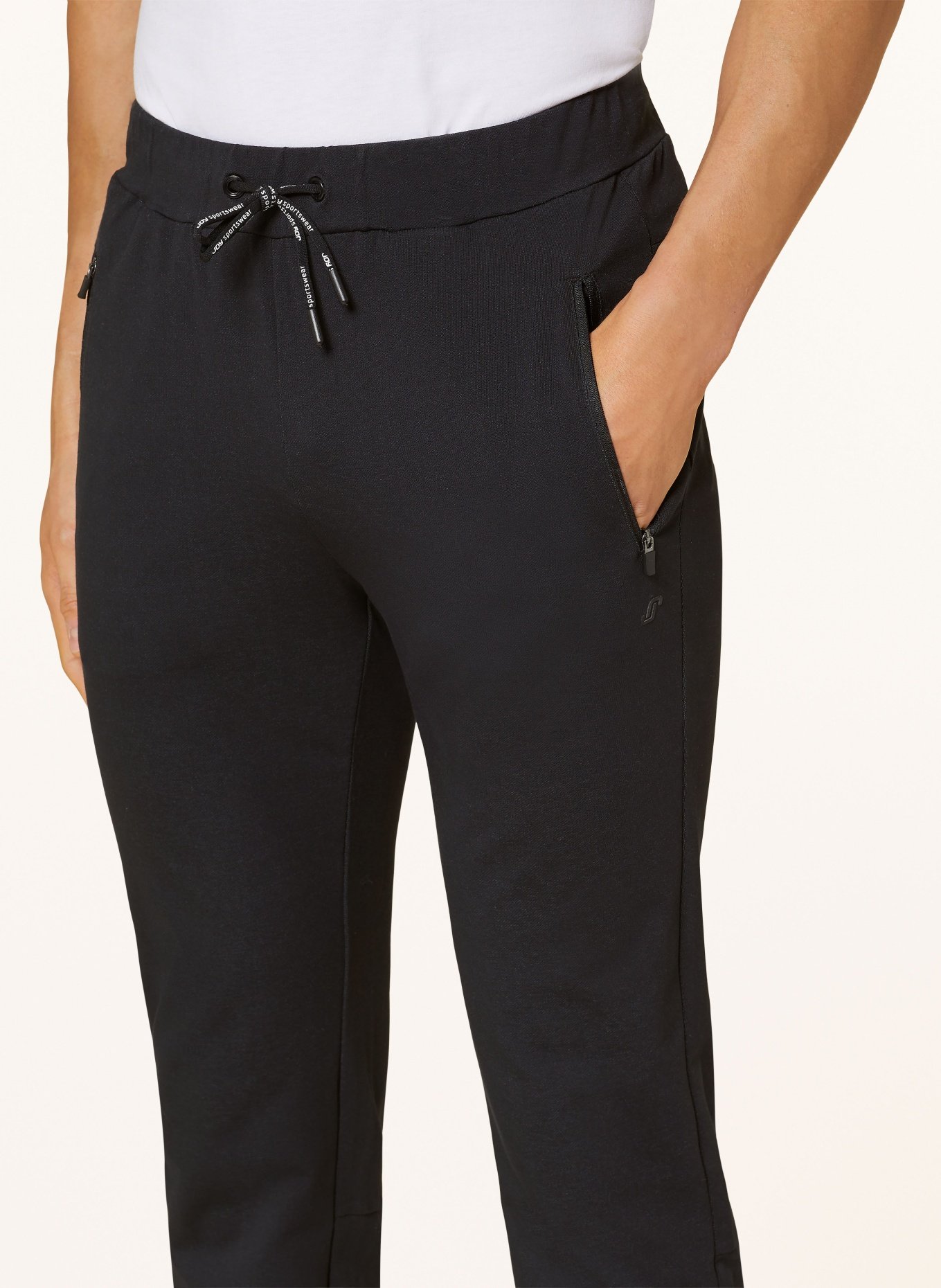
👉 Material delays are one of the biggest risks in scheduling.
Step 4: Batch Production & Order Grouping
Similar orders are grouped together to improve efficiency.
Examples:
- same fabric type
- similar designs
- similar colors
👉 Batch production reduces setup time and improves speed.
Step 5: Workflow Optimization on Sewing Lines
Sewing lines are organized to:
- minimize idle time
- improve productivity
- ensure consistent output
This includes:
- operation sequencing
- machine setup
- operator coordination
Step 6: In-Line Quality Control Integration
Quality control is built into the schedule.
Checks include:
- in-line inspections
- measurement verification
- defect detection
👉 This prevents issues from affecting multiple orders.
Step 7: Buffer Time & Risk Management
Factories include buffer time for:
- unexpected delays
- rework
- material issues
👉 Buffer planning helps maintain delivery timelines.
Common Scheduling Mistakes in Factories
Mistake 1: Overloading Production Lines
Leads to delays and quality issues.
Mistake 2: Poor Material Coordination
Causes production interruptions.
Mistake 3: Lack of Flexibility
Makes it hard to adjust to changes.
Mistake 4: Weak Quality Integration
Results in defects across orders.
How Fukigymwear Maintains Efficiency & Quality
At FuKi Gymwear, we use a structured scheduling system.
Our approach:
- clear order prioritization
- accurate capacity planning
- efficient material coordination
- optimized production workflows
- integrated quality control
What we offer:
- low MOQ (100 pcs)
- sampling in 7–10 days
- bulk production in 25–35 days
- private label customization
- global shipping support
👉 We ensure multiple orders are handled efficiently without compromising quality.
FAQ
Q1: How do factories manage multiple orders at once?
Through structured scheduling, capacity planning, and workflow optimization.
Q2: What causes production delays?
Material shortages, poor planning, and overloading production lines.
Q3: Can small orders affect large orders?
Yes, if scheduling is not managed properly.
Conclusion
Efficient production scheduling is essential for managing multiple clients in activewear manufacturing.
By prioritizing orders, planning capacity, and integrating quality control, factories can deliver consistent results on time.
If you are looking for a reliable partner, FuKi Gymwear can handle multiple orders efficiently while maintaining high production standards.
