
Table of Contents
- Quick Answer
- Why Cost vs Quality Is a Key Challenge
- What “Cost” Really Includes
- What Defines Quality in Gym Wear
- Step-by-Step: How to Balance Cost and Quality
- Strategy 1: Smart Fabric Selection
- Strategy 2: Simplified Product Design
- Strategy 3: Efficient Sampling
- Strategy 4: MOQ Optimization
- Strategy 5: Production Planning & QC
- Cost vs Quality Trade-Off Table
- How Fukigymwear Helps Brands Optimize Both
- FAQ
- Conclusion
Quick Answer
Balancing cost and quality in gym wear production requires smart decisions in fabric selection, design simplicity, sampling efficiency, and production planning—without compromising key performance factors.
At FuKi Gymwear, we help brands achieve the best balance between cost control and product quality.
Why Cost vs Quality Is a Key Challenge
Every fitness brand faces the same question:
👉 “How do I keep costs low without sacrificing quality?”
Common problems include:
- choosing cheap materials → poor product performance
- over-designing products → high production costs
- unclear priorities → inconsistent results
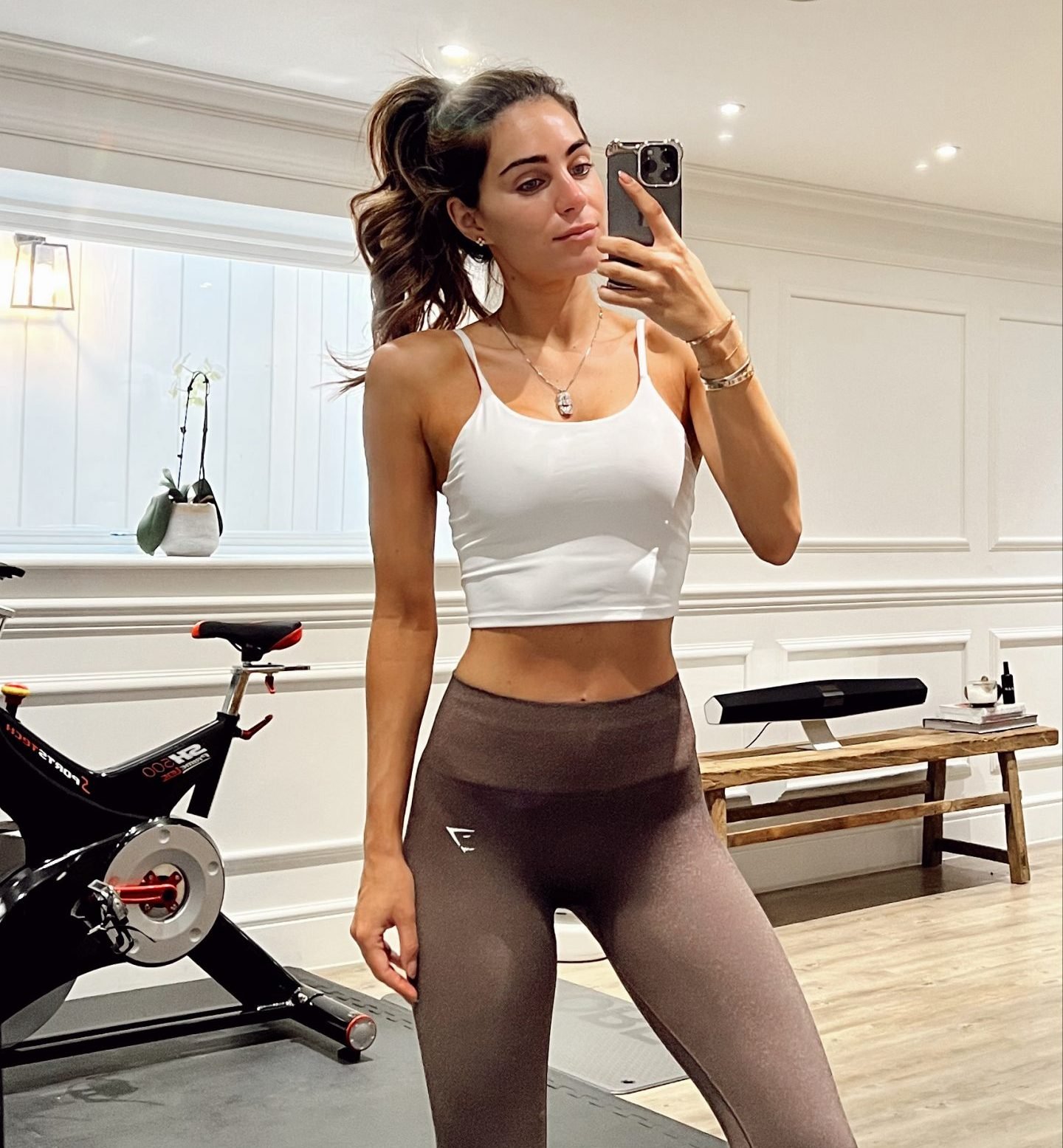
👉 The goal is not the lowest cost, but the best value.
What “Cost” Really Includes
Cost in gym wear production is not just the factory price.
It includes:
- fabric and materials
- labor and production
- sampling costs
- packaging
- shipping
👉 Understanding cost structure helps identify where optimization is possible.
What Defines Quality in Gym Wear
Quality in activewear is based on:
- fabric performance (stretch, durability)
- fit and comfort
- stitching strength
- long-term wear performance
- appearance after washing
👉 Cutting corners in these areas leads to customer dissatisfaction.
Step-by-Step: How to Balance Cost and Quality
Balancing cost and quality requires a structured approach.
Strategy 1: Smart Fabric Selection
Fabric is the biggest cost factor.
Instead of choosing the cheapest option:
- choose performance-appropriate fabric
- avoid over-specification
- balance durability and price
👉 Example:
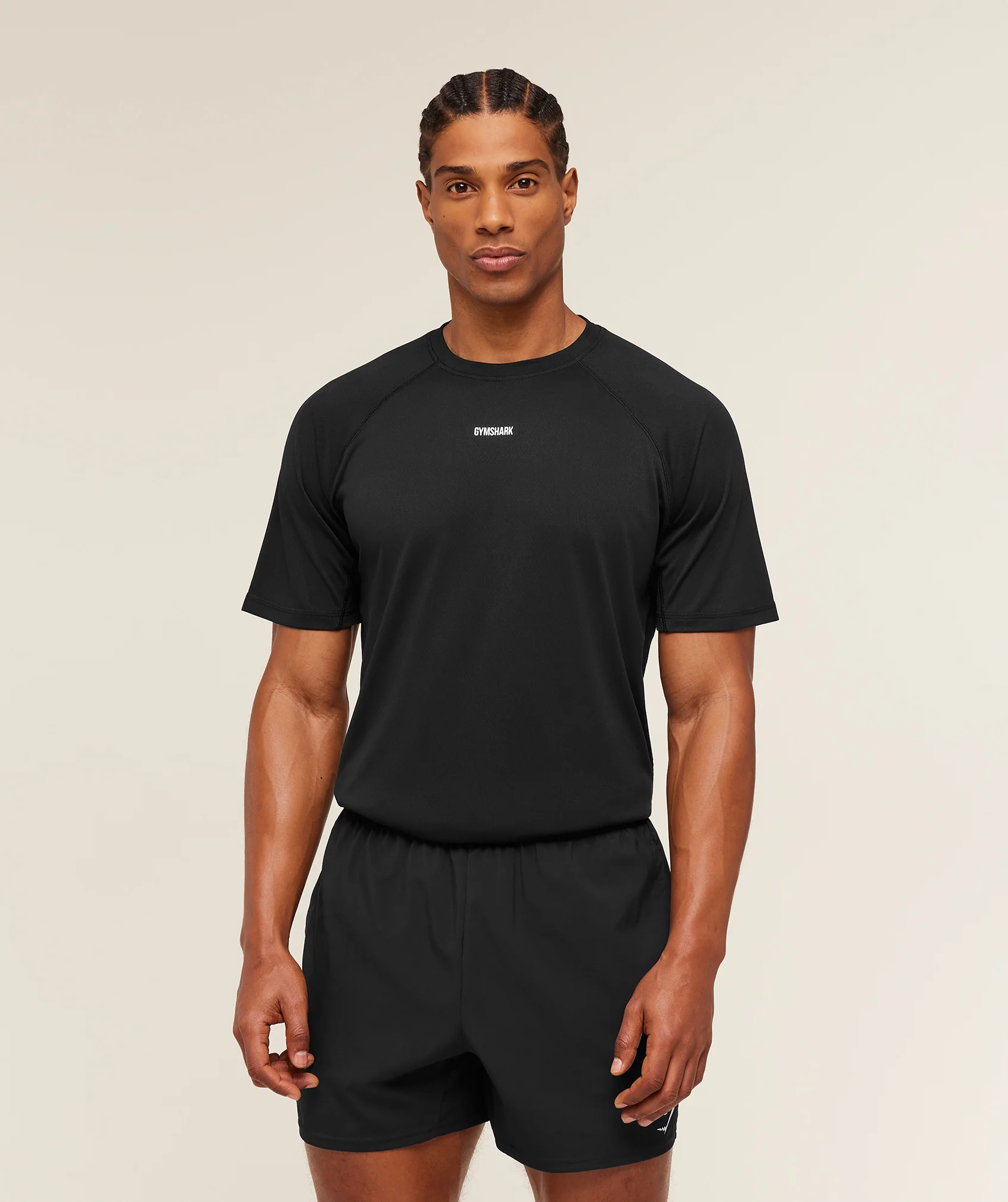
- nylon blends → premium
- polyester blends → cost-effective
Strategy 2: Simplified Product Design
Complex designs increase cost.
Simplify where possible:
- reduce unnecessary panels
- limit complex stitching
- use practical design features
👉 Simple designs often perform better and cost less.
Strategy 3: Efficient Sampling
Sampling affects both cost and timeline.
Best practices:
- provide clear specifications
- reduce revision rounds
- finalize design early
👉 Fewer revisions = lower development cost.
Strategy 4: MOQ Optimization
Order quantity affects unit cost.
Options:
- low MOQ → higher unit cost but lower risk
- higher MOQ → lower unit cost but higher investment
👉 Choose MOQ based on your business stage.
Strategy 5: Production Planning & QC
Good planning reduces hidden costs.
Key points:
- avoid production errors
- ensure consistent quality
- reduce rework and waste
👉 Strong quality control prevents expensive mistakes.
Cost vs Quality Trade-Off Table
| Decision Area | Lower Cost Focus | Balanced Approach | Premium Focus |
|---|---|---|---|
| Fabric | Cheapest available | Performance-based | High-end materials |
| Design | Very simple | Practical | Complex |
| MOQ | Low | Moderate | High |
| Quality Control | Minimal | Standard | Strict |
| Outcome | Low quality risk | Best value | High quality |
How Fukigymwear Helps Brands Optimize Both
At FuKi Gymwear, we help brands balance cost and quality through:
Our approach:
- recommending suitable fabrics
- optimizing product design
- controlling sampling efficiency
- managing production costs
- ensuring strict quality control
What we offer:
- low MOQ (100 pcs)
- sampling in 7–10 days
- bulk production in 25–35 days
- private label customization
- global shipping support
👉 We focus on delivering the best value, not just the lowest price.
FAQ
Q1: Is it possible to have low cost and high quality?
Yes, with proper planning and the right manufacturer.
Q2: What is the biggest cost factor?
Fabric is usually the largest cost component.
Q3: How can I reduce production cost?
Simplify design, optimize MOQ, and avoid unnecessary revisions.
Conclusion
Balancing cost and quality in gym wear production is about making smart, informed decisions at every stage.
Brands that focus on value rather than just price can create better products and build long-term success.
If you are looking for a reliable partner, FuKi Gymwear can help you optimize both cost and quality for your activewear production.
