
Table of Contents
- Quick Answer
- Why Quality Issues Happen in Activewear
- Most Common Quality Problems
- Step-by-Step: How to Prevent Quality Issues
- Control Point 1: Fabric Selection & Testing
- Control Point 2: Pattern & Fit Accuracy
- Control Point 3: Cutting Precision
- Control Point 4: Sewing & Construction
- Control Point 5: In-Line Quality Control
- Control Point 6: Final Inspection Standards
- Supplier Communication Best Practices
- How Fukigymwear Ensures Consistent Quality
- FAQ
- Conclusion
Quick Answer
To avoid quality issues in activewear production, brands must control fabric quality, ensure accurate patterns, monitor production closely, and implement strict quality inspections at every stage.
At FuKi Gymwear, we use a structured quality control system to minimize defects and ensure consistent results.
Why Quality Issues Happen in Activewear
Activewear production is more complex than regular clothing due to:
- stretch fabrics
- performance requirements
- tight-fitting designs
Common causes of quality issues include:
- poor material selection
- lack of production control
- weak communication
- insufficient testing
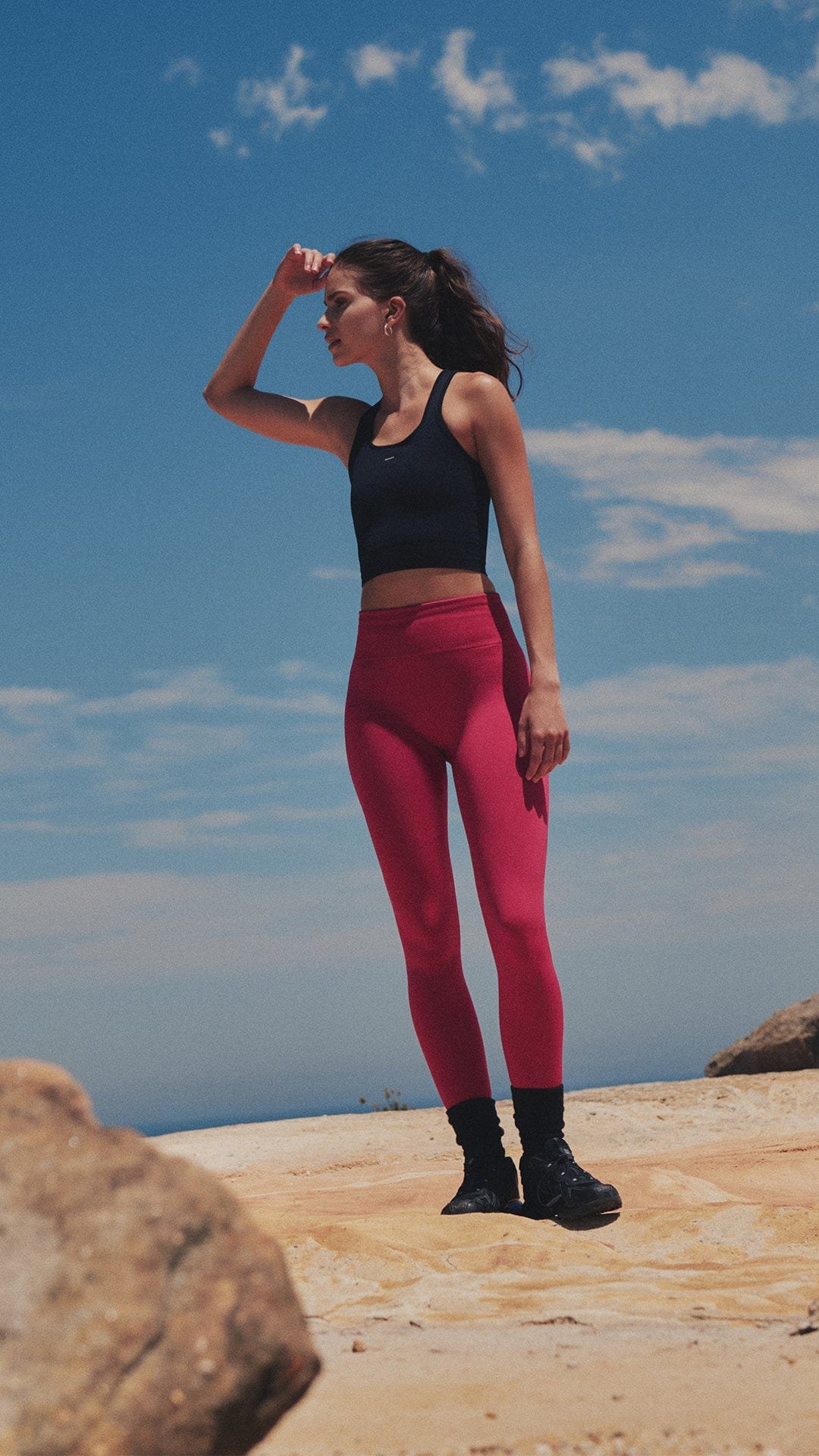
👉 Quality problems usually come from process gaps, not just factory mistakes.
Most Common Quality Problems
Brands should watch for these issues:
1. Fabric Problems
- pilling
- color fading
- poor elasticity
2. Fit Issues
- inconsistent sizing
- poor body contouring
3. Stitching Defects
- broken seams
- uneven stitching
4. Transparency Issues
- leggings becoming see-through
5. Logo & Branding Issues
- peeling prints
- cracking logos
👉 These problems often appear after production if not controlled early.
Step-by-Step: How to Prevent Quality Issues
Preventing issues requires control at every stage of production.
Control Point 1: Fabric Selection & Testing
Fabric is the foundation of quality.
Key checks include:
- stretch and recovery testing
- opacity testing
- shrinkage testing
- colorfastness
👉 Always test fabric before production.
Control Point 2: Pattern & Fit Accuracy
Patterns must be precise.
Ensure:
- correct measurements
- proper stretch direction
- consistent grading
👉 Poor patterns lead to sizing issues in bulk.
Control Point 3: Cutting Precision
Cutting errors cause:
- size variation
- panel misalignment
Controls include:
- proper fabric layering
- accurate cutting machines
- alignment checks
Control Point 4: Sewing & Construction
Sewing quality determines durability.
Important factors:
- correct thread tension
- proper stitch type
- seam reinforcement
👉 Seams must stretch with the fabric.
Control Point 5: In-Line Quality Control
Quality should be checked during production.
This includes:
- stitching inspection
- measurement checks
- fabric condition review
👉 Early detection reduces defects.
Control Point 6: Final Inspection Standards
Final inspection ensures product consistency.
Typical checks:
- size accuracy
- appearance
- logo placement
- overall quality
Many manufacturers follow:
- AQL (Acceptable Quality Level) standards
Supplier Communication Best Practices
Clear communication helps prevent errors.
Best practices include:
- detailed specifications
- clear design references
- confirmed samples
- regular updates
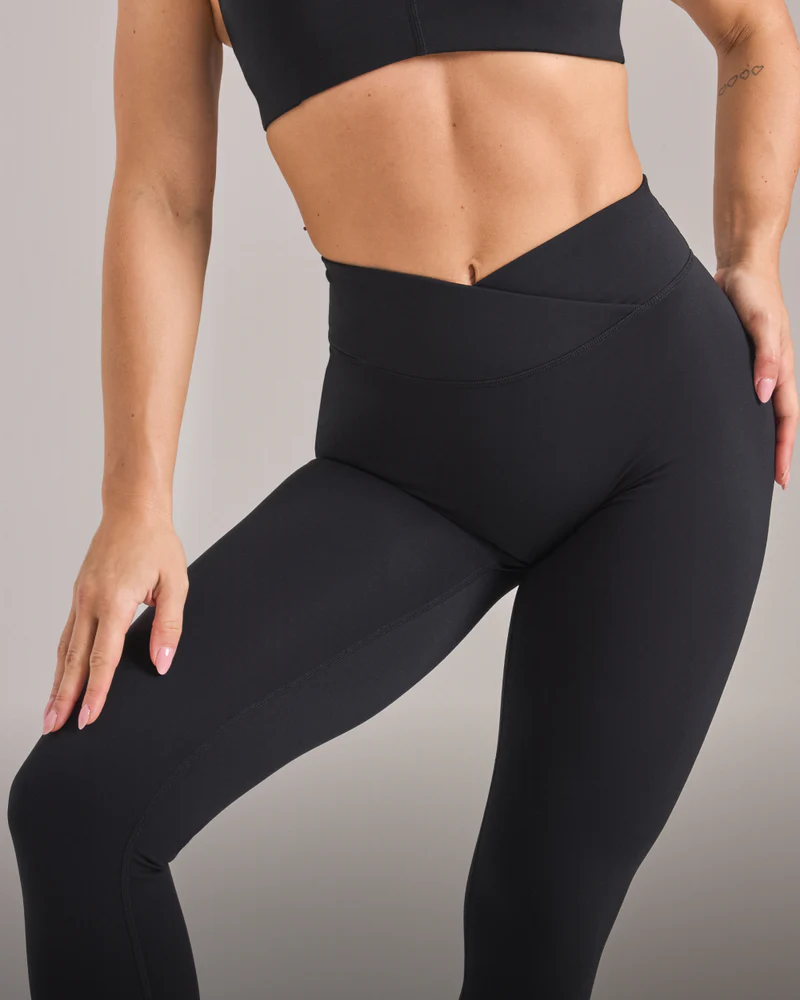
👉 Miscommunication is a major cause of production issues.
How Fukigymwear Ensures Consistent Quality
At FuKi Gymwear, quality control is built into every step.
Our system includes:
- strict fabric testing
- professional pattern development
- controlled cutting and sewing
- in-line and final inspections
- AQL-based quality standards
What we offer:
- low MOQ (100 pcs)
- sampling in 7–10 days
- bulk production in 25–35 days
- private label customization
- global shipping support
👉 Our goal is to deliver reliable, defect-free products.
FAQ
Q1: What is the most common quality issue in activewear?
Fabric performance issues and poor stitching are the most common.
Q2: How can I reduce production risks?
By testing samples, confirming specifications, and working with experienced manufacturers.
Q3: Is quality control expensive?
It adds cost, but it prevents larger losses from defective products.
Conclusion
Avoiding quality issues in activewear production requires attention to detail at every stage.
From fabric selection to final inspection, each step plays a role in product success.
If you are looking for a reliable partner, FuKi Gymwear can help you produce high-quality activewear with consistent results.
