
Table of Contents
- Quick Answer
- What Are Compression Fabrics?
- Why Compression Matters in Gym Wear
- How Compression Fabrics Are Made (Step-by-Step)
- Key Technical Factors in Compression Fabric
- Common Production Mistakes
- Compression Fabric Comparison
- How Fukigymwear Ensures Quality
- FAQ
- Conclusion
Quick Answer
Compression fabrics for gym wear are made by combining high-elastic fibers (such as spandex) with tightly controlled knitting structures, followed by finishing processes that enhance stretch, recovery, and support.
At FuKi Gymwear, compression fabric development is carefully engineered to ensure consistent performance, durability, and comfort for activewear brands.
What Are Compression Fabrics?
Compression fabrics are specialized stretch materials designed to apply controlled pressure to the body. Unlike standard stretch fabrics, they provide support and improve muscle stability during workouts.
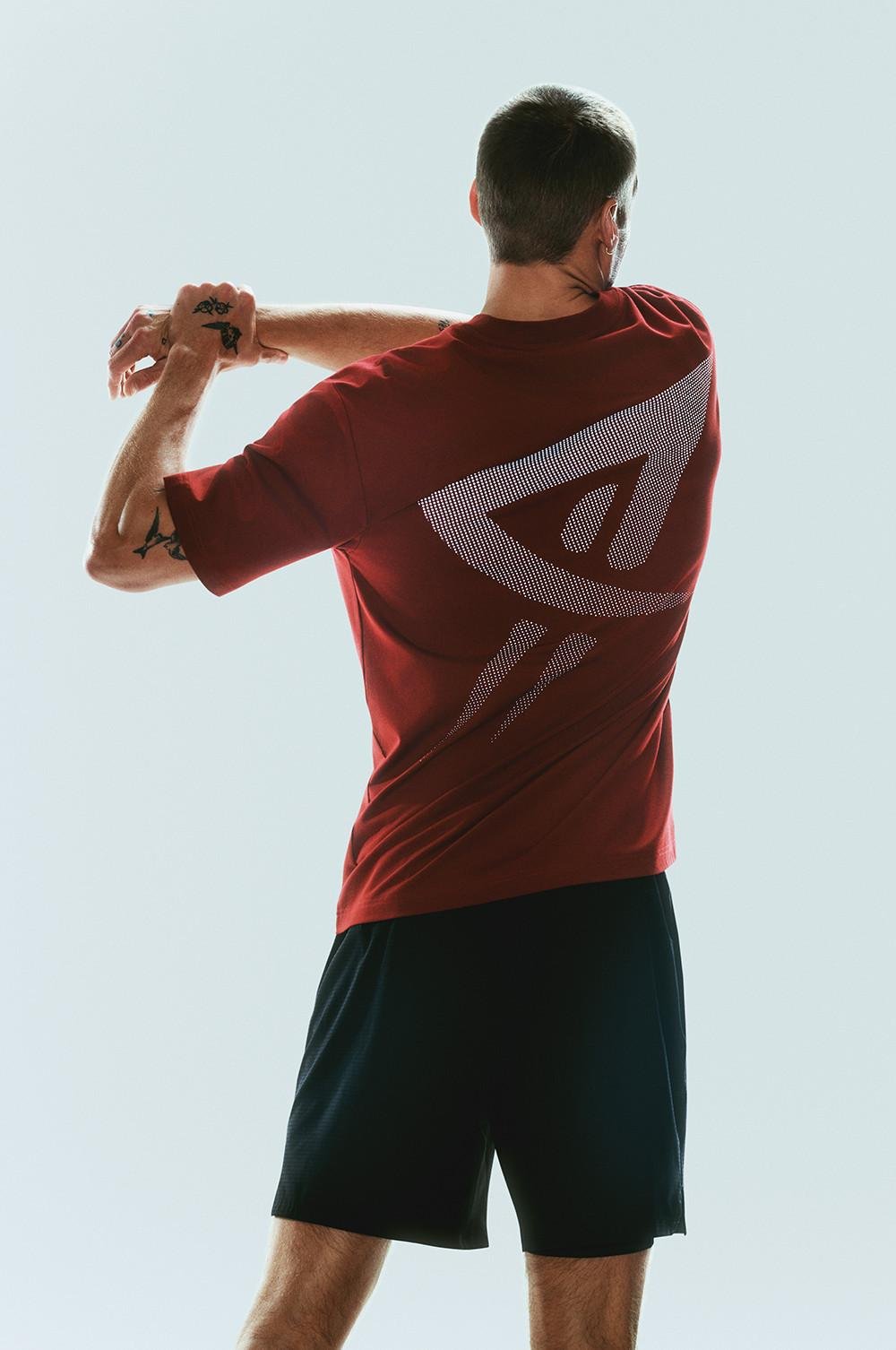
They are commonly used in:
- leggings
- sports bras
- compression tops
- biker shorts
- performance base layers
Key characteristics include:
- high elasticity
- strong recovery
- body-contouring fit
- supportive feel
Why Compression Matters in Gym Wear
Compression is not just about tightness—it directly affects performance and user experience.
Benefits of compression fabrics:
- improved muscle support
- reduced fatigue during workouts
- better body shaping
- enhanced fit and stability
From a brand perspective:
- higher perceived product value
- stronger differentiation
- better customer satisfaction
👉 This is why premium activewear brands invest heavily in compression fabric development.
How Compression Fabrics Are Made (Step-by-Step)
Compression fabric production is a combination of fiber selection, knitting technology, and finishing processes.
1. Fiber Selection
The base of compression fabric starts with:
- nylon or polyester → structure and durability
- spandex (elastane) → elasticity
Typical ratios:
- 70–85% nylon/polyester
- 15–30% spandex
Higher spandex content usually means stronger compression.
2. Yarn Engineering
Before knitting, yarns are engineered for:
- strength
- elasticity
- smoothness
This step determines:
- how the fabric feels
- how it stretches
- how long it lasts
3. Knitting Structure
Compression fabrics are usually made using:
- circular knitting
- warp knitting
Key factors:
- stitch density
- tension control
- loop structure
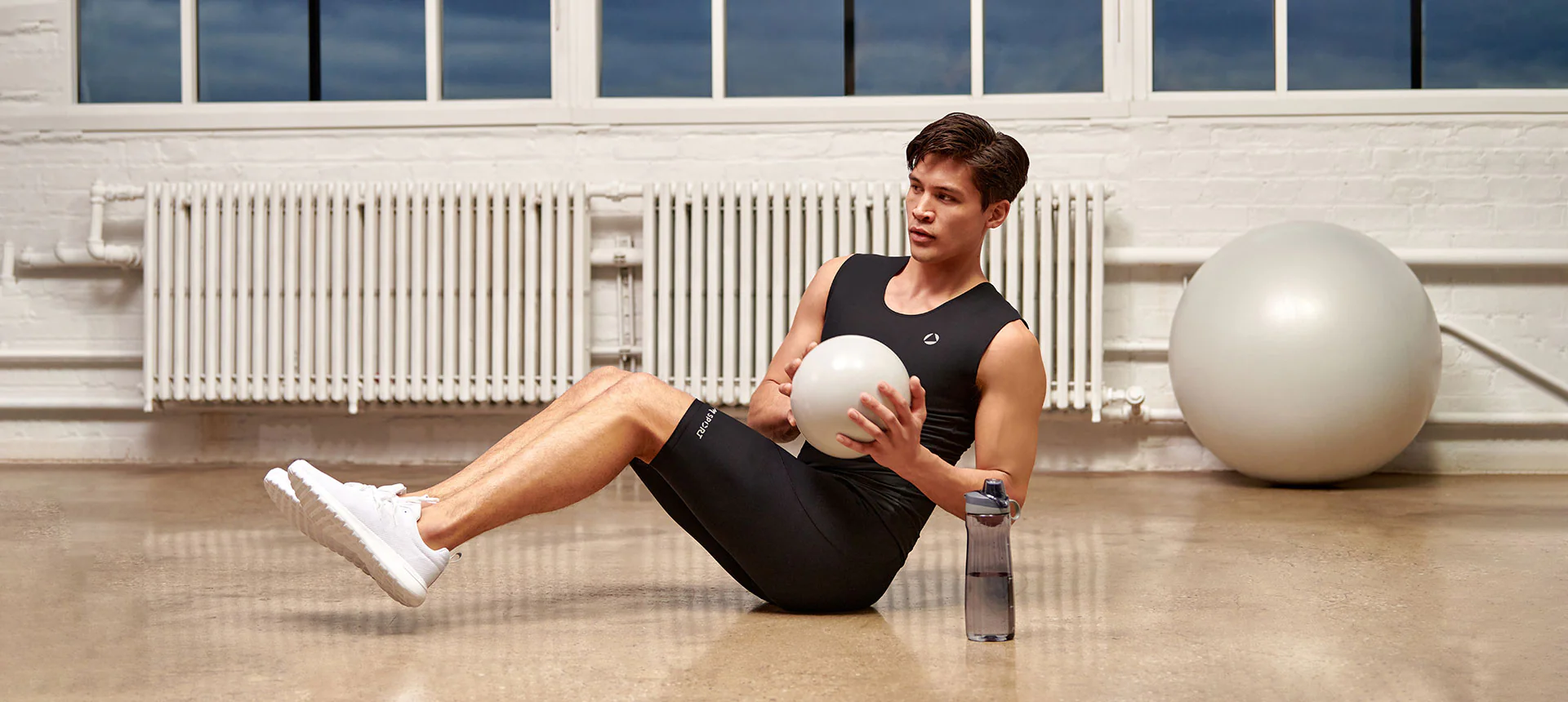
👉 Higher density = stronger compression.
4. Fabric Density Control
Compression level is controlled by:
- yarn thickness
- knitting tightness
- machine settings
This determines:
- light compression (comfort)
- medium compression (fitness)
- high compression (performance)
5. Dyeing & Finishing
After knitting, fabrics go through finishing processes:
- dyeing
- heat setting
- softening
- moisture-wicking treatment
These steps improve:
- color consistency
- elasticity stability
- hand feel
6. Performance Testing
Before production, compression fabrics are tested for:
- stretch percentage
- recovery rate
- durability
- opacity
Without testing, compression may feel inconsistent across batches.
Key Technical Factors in Compression Fabric
1. Stretch & Recovery Balance
Too much stretch without recovery = fabric becomes loose.
2. Compression Level Control
Must match product type:
- leggings → medium to high
- sports bras → high
- tops → light to medium
3. Breathability
High compression should not reduce airflow.
4. Comfort vs Pressure
Fabric must support muscles without restricting movement.
Common Production Mistakes
Many brands misunderstand compression fabrics.
Mistake 1: Increasing Spandex Only
More spandex does not always mean better compression.
Mistake 2: Ignoring Fabric Density
Loose knitting reduces compression effectiveness.
Mistake 3: Poor Finishing
Improper heat setting can destroy elasticity.
Mistake 4: No Testing Before Bulk
Results in inconsistent compression levels.
Compression Fabric Comparison
| Compression Level | Feel | Support | Best Use |
|---|---|---|---|
| Light | Soft | Low | Yoga, casual wear |
| Medium | Balanced | Medium | Gym training |
| High | Firm | High | Performance sports |
How Fukigymwear Ensures Quality
At FuKi Gymwear, compression fabric is developed through a controlled process.
Our approach:
- select high-quality yarn suppliers
- control knitting density precisely
- test compression performance before sampling
- ensure consistent bulk production
What we offer:
- low MOQ (100 pcs)
- sampling in 7–10 days
- bulk production in 25–35 days
- custom compression levels
- private label solutions
👉 We help brands create gym wear that performs, not just looks good.
FAQ
Q1: What is the best compression fabric for gym wear?
Nylon + spandex blends are most commonly used for premium compression garments.
Q2: Does higher compression mean better quality?
Not always. The right compression level depends on the product type and usage.
Q3: Can compression fabrics lose elasticity?
Yes, if the fabric is poorly made or incorrectly finished.
Conclusion
Compression fabrics are a key element of high-performance gym wear. Their quality depends on fiber selection, knitting technology, and finishing processes.
Brands that understand compression fabric production can create better products and stand out in the competitive activewear market.
If you are developing compression-based activewear, working with an experienced manufacturer like FuKi Gymwear can help ensure consistent quality and long-term success.
