
Table of Contents
- Quick Answer
- Why Fabric Is Critical in Activewear
- Core Fabric Performance Factors
- Types of Fabrics Used in Activewear
- How Fabric Impacts Product Quality
- Fabric Selection Mistakes Brands Make
- Fabric Comparison Table
- How Fukigymwear Selects Fabrics
- FAQ
- Conclusion
Quick Answer
Fabric is the most important factor in activewear production because it determines comfort, durability, stretch, and overall performance. Even with good design, poor fabric choice will result in low-quality products.
At FuKi Gymwear, fabric selection is the foundation of every product we manufacture.
Why Fabric Is Critical in Activewear
In activewear, fabric is not just a material—it defines how the garment performs.
Unlike regular clothing, activewear must handle:
- intense movement
- sweat and moisture
- repeated stretching
- frequent washing
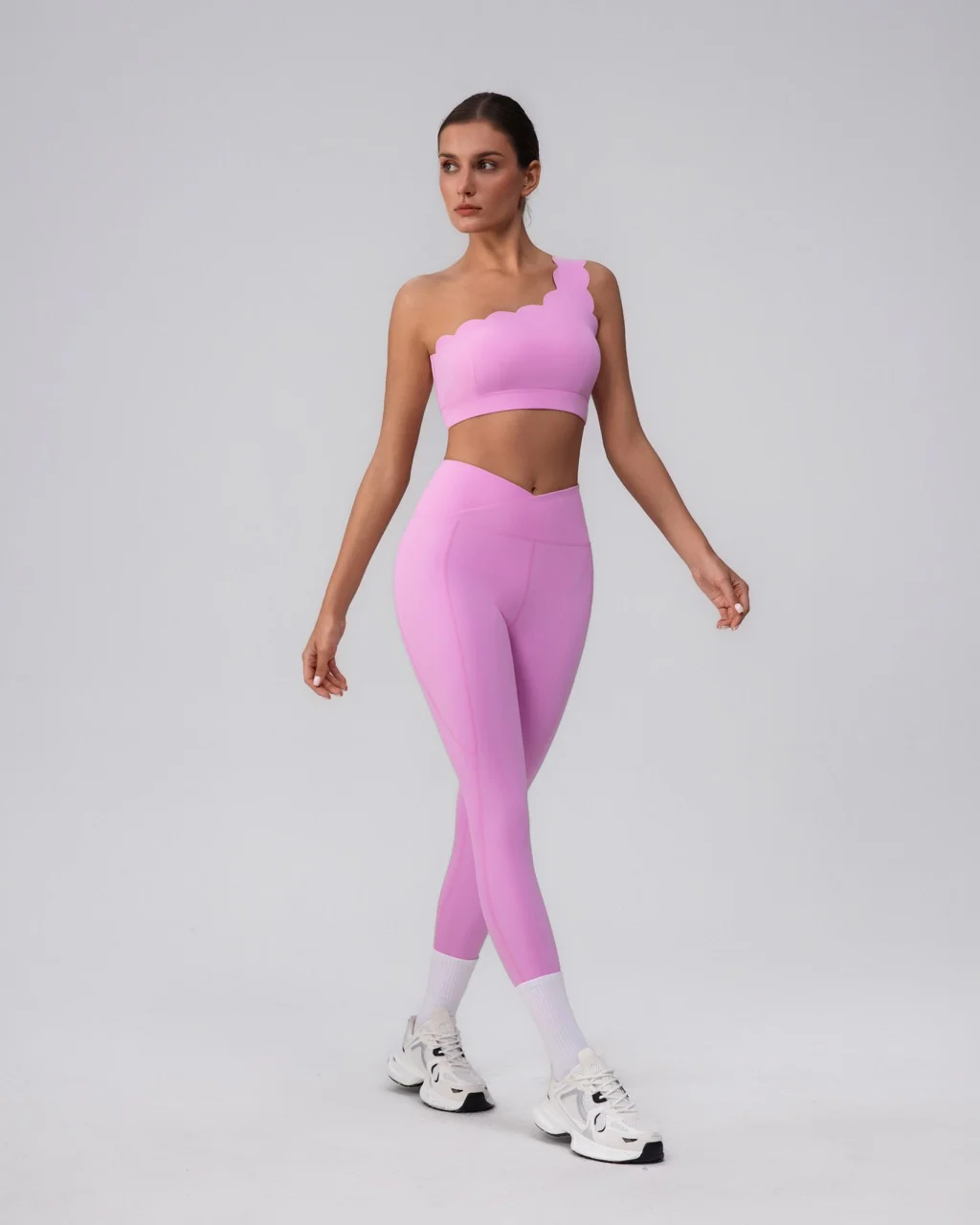
If the fabric is not suitable, the product will quickly fail.
Key impact areas:
- comfort during workouts
- durability over time
- appearance after washing
- brand perception
👉 In short: fabric decides whether your product feels “premium” or “cheap.”
Core Fabric Performance Factors
High-quality activewear fabrics must meet multiple performance requirements.
1. Stretch & Recovery
- fabric should stretch easily
- return to original shape without deformation
Poor recovery leads to:
- loose garments
- baggy knees
- loss of fit
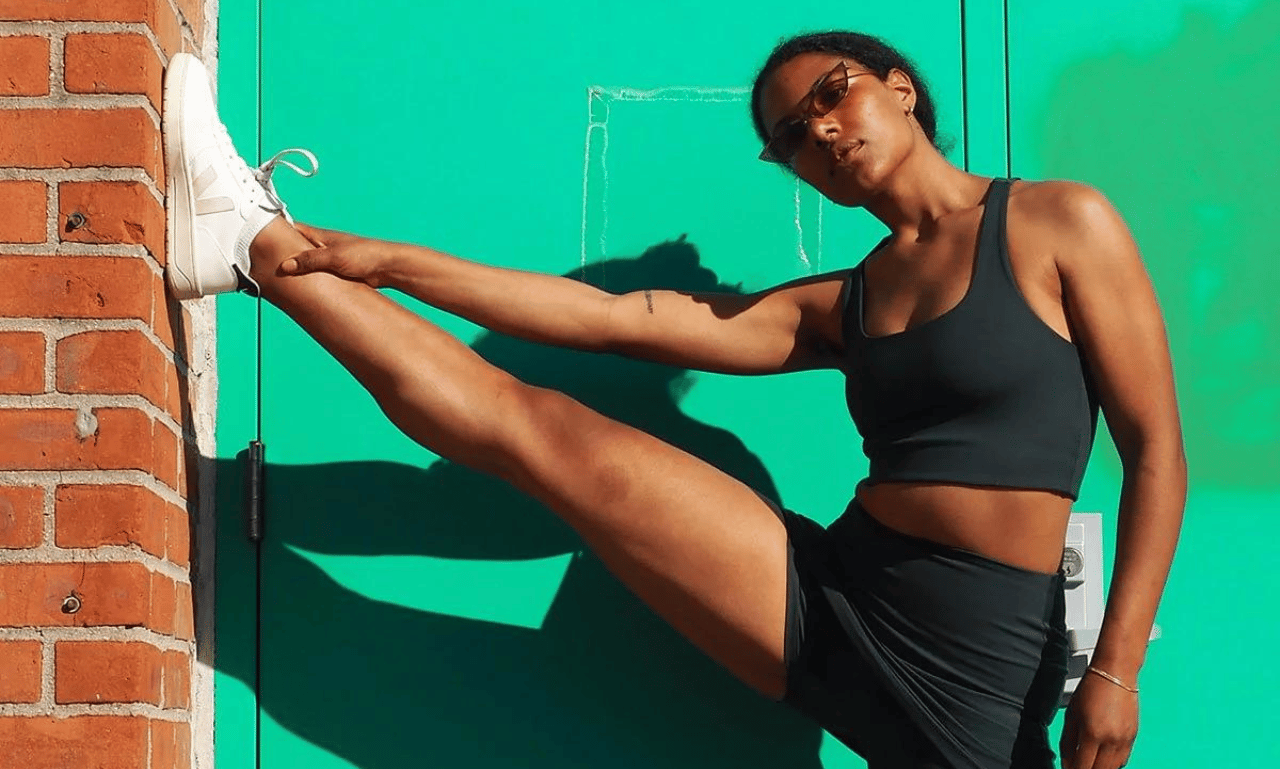
2. Moisture-Wicking Ability
Activewear fabrics must:
- absorb sweat
- dry quickly
- keep the body comfortable
Without this:
- garments feel heavy
- discomfort increases
3. Breathability
Breathable fabrics allow airflow and reduce heat buildup.
Important for:
- gym training
- running
- yoga
4. Opacity (Squat-Proof)
Fabric must remain non-transparent when stretched.
This is critical for:
- leggings
- biker shorts
- fitted tops
5. Durability
High-quality fabric should:
- resist pilling
- maintain color
- withstand repeated washing
Types of Fabrics Used in Activewear
Different fabrics are used depending on product positioning and price level.
Nylon + Spandex
- soft and smooth
- excellent stretch and recovery
- premium feel
👉 Best for high-end leggings and sports bras
Polyester + Spandex
- durable and cost-effective
- good moisture-wicking
- widely used
👉 Ideal for training wear and mass production
Recycled Fabric
- eco-friendly
- supports sustainable branding
👉 Popular for environmentally conscious brands
Interlock Fabric
- thicker structure
- better coverage
- smoother surface
👉 Good for squat-proof products
Ribbed Fabric
- textured look
- fashionable
👉 Requires careful production handling
How Fabric Impacts Product Quality
Fabric directly affects every stage of production and final product performance.
1. Fit & Comfort
- determines how the garment sits on the body
- affects compression level
2. Sewing Performance
Some fabrics are easier to sew, while others require:
- special needles
- adjusted machine settings
3. Printing & Branding
Fabric determines which logo methods can be used:
- screen printing
- heat transfer
- silicone printing
Wrong fabric choice can cause:
- logo cracking
- peeling
- poor adhesion
4. Customer Experience
End users care about:
- softness
- flexibility
- durability
👉 Fabric quality directly impacts customer satisfaction and repeat purchases.
Fabric Selection Mistakes Brands Make
Many brands underestimate the importance of fabric.
Mistake 1: Choosing Based on Price Only
Cheaper fabric often leads to higher long-term costs due to returns.
Mistake 2: Ignoring Fabric Testing
Skipping testing increases risk in bulk production.
Mistake 3: Not Matching Fabric to Product
Different products require different fabric performance.
Mistake 4: Overlooking Stretch Direction
Incorrect stretch direction leads to poor fit.
Fabric Comparison Table
| Fabric Type | Feel | Stretch | Durability | Cost | Best Use |
|---|---|---|---|---|---|
| Nylon + Spandex | Soft | High | High | High | Premium activewear |
| Polyester + Spandex | Durable | Medium | High | Mid | Training wear |
| Recycled Fabric | Eco | Medium | Medium | Mid | Sustainable brands |
| Interlock Fabric | Thick | Medium | High | Mid | Squat-proof leggings |
| Ribbed Fabric | Textured | Medium | Medium | Mid | Fashion activewear |
How Fukigymwear Selects Fabrics
At FuKi Gymwear, fabric selection is a structured process.
Our approach:
- evaluate fabric performance before sampling
- test stretch and recovery
- check opacity and durability
- match fabric to product purpose
What we provide:
- low MOQ (100 pcs)
- fast sampling (7–10 days)
- stable bulk production (25–35 days)
- custom fabric sourcing
- private label support
👉 We help brands choose the right fabric from the start, reducing risk and improving product success.
FAQ
Q1: What is the best fabric for activewear?
Nylon + spandex is considered premium, but polyester blends are more cost-effective for many brands.
Q2: Why does fabric quality vary so much?
Differences come from yarn quality, weaving method, and finishing processes.
Q3: Can I use one fabric for all products?
No. Different products require different fabric performance.
Conclusion
Fabric is the foundation of activewear production. It affects everything—from comfort and fit to durability and brand reputation.
Brands that take fabric selection seriously are more likely to succeed in the competitive activewear market.
If you are looking for a reliable partner, FuKi Gymwear can help you choose and develop the right fabrics for your products.
