
Table of Contents
- Quick Answer
- What Are Stretch Fabrics in Activewear?
- Why Stretch Fabrics Are Hard to Handle
- Step-by-Step Manufacturing Process
- Common Mistakes Brands Should Avoid
- Stretch Fabric Comparison
- How Fukigymwear Controls Quality
- FAQ
- Conclusion
Quick Answer
Activewear manufacturers handle stretch fabrics through controlled processes including fabric relaxation, precision cutting, specialized stitching, and elasticity testing to ensure garments maintain shape, comfort, and durability.
At FuKi Gymwear, we focus on both fabric performance and production control to ensure consistent quality for every order.
What Are Stretch Fabrics in Activewear?
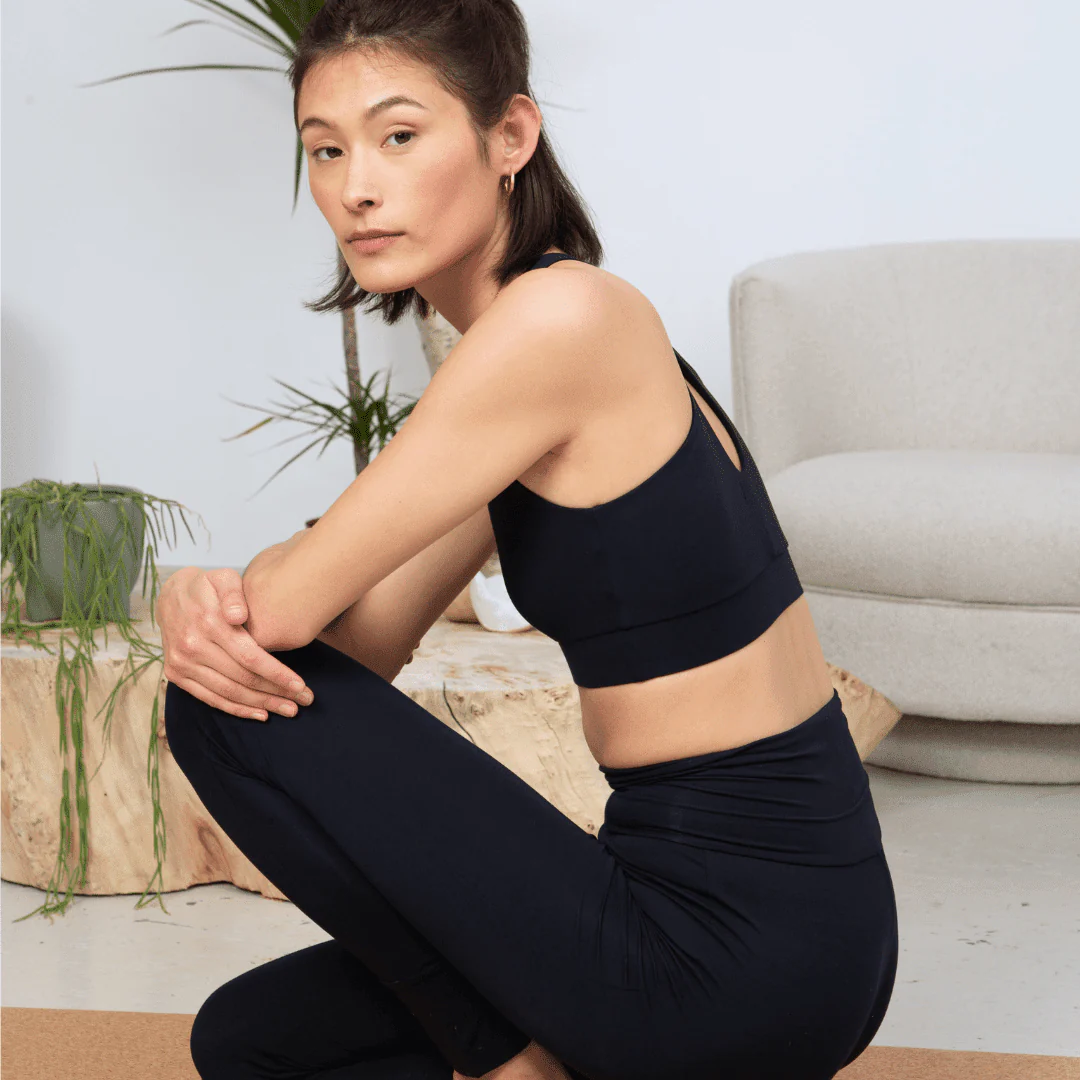
Stretch fabrics are materials designed to expand and return to their original shape. They are essential in activewear because they allow freedom of movement and body-contouring fit.
Common types include:
- Nylon + Spandex → soft, premium, high elasticity
- Polyester + Spandex → durable, cost-effective
- Recycled blends → eco-friendly option
- Ribbed stretch → textured appearance
These fabrics are widely used in:
- leggings
- sports bras
- gym tops
- yoga sets
Why Stretch Fabrics Are Hard to Handle
From a manufacturing perspective, stretch fabrics are much more complex than regular fabrics.
1. Fabric Instability
Stretch fabrics can shift or distort easily during cutting.
2. Sewing Tension Issues
Incorrect tension can cause:
- wavy seams
- overstretching
- poor recovery
3. Recovery Problems
Low-quality handling leads to:
- baggy knees
- loose waistbands
4. Heat Sensitivity
Improper finishing can damage elasticity.
👉 This is why choosing the right manufacturer is critical.
Step-by-Step Manufacturing Process
1. Fabric Relaxation
Fabric is rested for 24–48 hours before cutting.
Purpose:
- release tension
- prevent shrinkage
2. Precision Cutting
Key controls:
- low-layer cutting
- correct grain alignment
- controlled pressure
This ensures:
- consistent sizing
- accurate panel shapes
3. Specialized Sewing
Manufacturers use:
- overlock stitching → durability
- flatlock stitching → comfort
- coverstitch → flexibility
Important factors:
- correct needle type
- balanced thread tension
4. Stretch & Recovery Testing
Factories test:
- 4-way stretch capability
- rebound performance
Without this:
- garments lose shape quickly
5. Heat Setting & Finishing
Heat is applied to stabilize the fabric structure.
This step ensures:
- long-term shape retention
- consistent fit after washing
Common Mistakes Brands Should Avoid
Many brands fail not because of design, but because of production mistakes.
Mistake 1: Choosing Fabric Only by Feel
Soft does not always mean durable.
Mistake 2: Ignoring Stretch Direction
Wrong direction = poor fit.
Mistake 3: Using Incorrect Printing Methods
Leads to:
- cracking logos
- peeling
Mistake 4: Skipping Sample Testing
Bulk production without testing is risky.
Stretch Fabric Comparison
| Fabric Type | Feel | Stretch | Cost | Best For |
|---|---|---|---|---|
| Nylon + Spandex | Soft | High | High | Premium leggings |
| Polyester + Spandex | Durable | Medium | Mid | Training wear |
| Recycled Blend | Eco | Medium | Mid | Sustainable brands |
| Ribbed Stretch | Textured | Medium | Mid | Fashion activewear |
How Fukigymwear Controls Quality
At FuKi Gymwear, we focus on every stage of stretch fabric handling.
Our Key Controls:
- fabric testing before production
- strict cutting standards
- advanced stitching techniques
- elasticity & recovery testing
- AQL-based quality inspection
Production Capability:
- MOQ: 100 pcs
- Sampling: 7–10 days
- Bulk: 25–35 days
👉 This ensures brands receive consistent, production-ready activewear.
FAQ
Q1: What is the best stretch fabric for leggings?
Nylon + spandex is usually the best for premium leggings due to its softness and recovery.
Q2: Why do some leggings become loose after wearing?
This is usually due to poor fabric recovery or incorrect production handling.
Q3: Can all factories handle stretch fabrics well?
No. Stretch fabric requires specialized equipment and experience.
Conclusion
Handling stretch fabrics is one of the most important parts of activewear manufacturing.
A good manufacturer will not only choose the right fabric but also control every step from cutting to finishing.
If you are building an activewear brand, working with an experienced partner like FuKi Gymwear can help you avoid costly production mistakes and deliver high-quality products to your customers.
