
Table of Contents
- Quick Answer
- What Is Private Label Gym Clothing
- How Private Label Manufacturing Works
- Step 1: Define Your Brand & Product
- Step 2: Choose Fabrics & Materials
- Step 3: Custom Design & Branding
- Step 4: Sampling & Product Testing
- Step 5: Bulk Production
- Step 6: Private Label Packaging & Delivery
- Private Label vs OEM vs Wholesale
- Who Should Choose Private Label
- Cost, MOQ & Timeline Overview
- Common Mistakes Brands Make
- FAQ
- Conclusion
Quick Answer
A private label gym clothing manufacturer helps brands create their own activewear line by customizing products, branding, and packaging—then producing them in bulk.
This allows you to build a unique brand without owning a factory, while maintaining control over design, quality, and positioning.
What Is Private Label Gym Clothing
Private label means you sell products under your own brand name, even though a manufacturer produces them.
From my experience, this is the fastest way for brands to enter the activewear market.
Instead of building from scratch, you:
- Customize existing or semi-custom designs
- Add your logo and brand identity
- Launch products under your own label
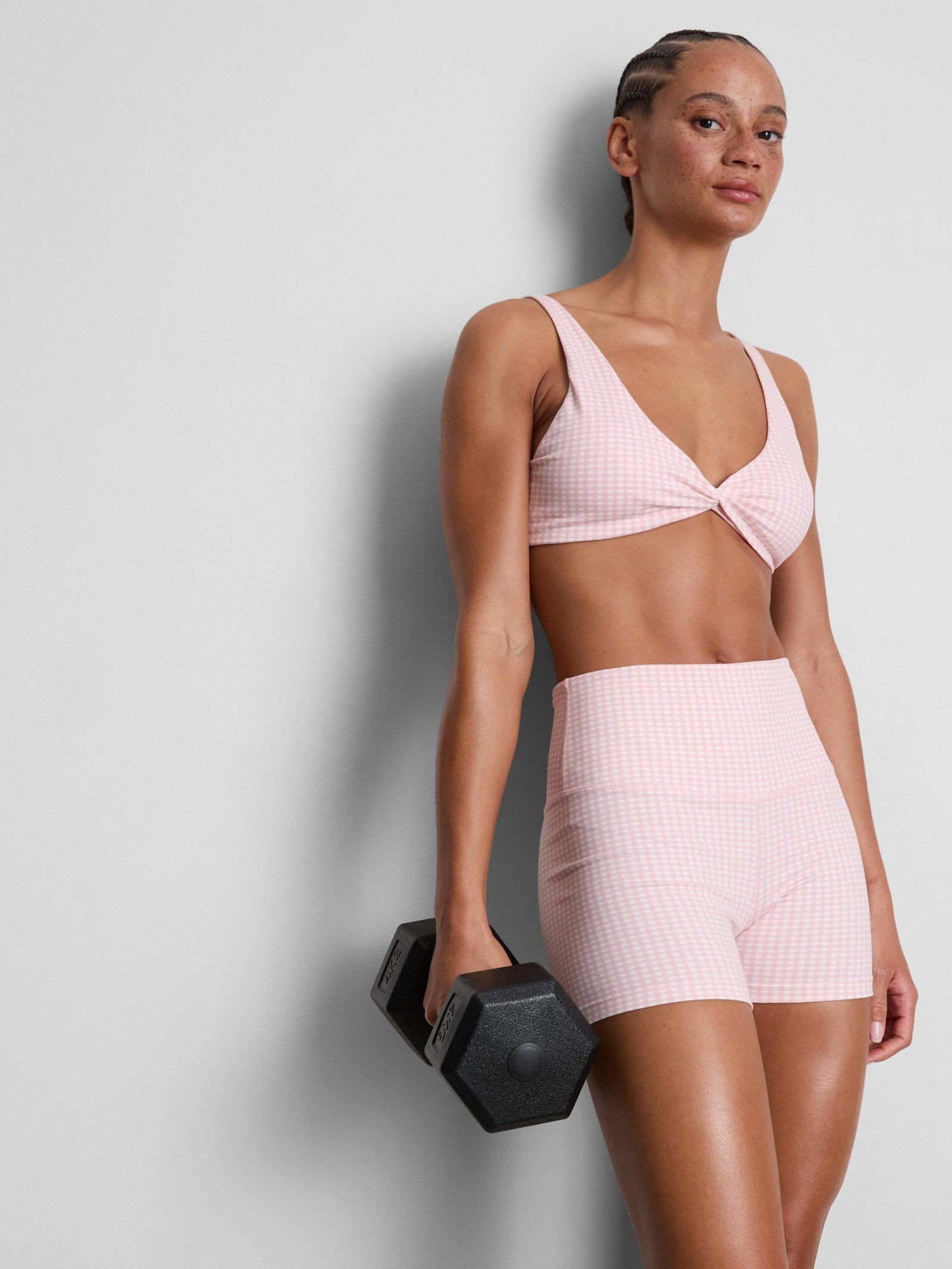
👉 Explore solutions: Fukigymwear
How Private Label Manufacturing Works
The process is structured but flexible:
| Stage | What Happens | Outcome |
|---|---|---|
| Brand Setup | Define your concept | Clear direction |
| Product Development | Customize design | Unique product |
| Sampling | Test & refine | Risk reduction |
| Production | Bulk manufacturing | Scalable output |
| Delivery | Packaging & shipping | Market-ready goods |
Step 1: Define Your Brand & Product
Before production, clarity is everything.
You should define:
- Target audience (gym / yoga / athleisure)
- Product category (leggings, bras, sets)
- Brand positioning (premium / affordable / niche)
Tip: Clear positioning reduces unnecessary revisions later.
Step 2: Choose Fabrics & Materials
Fabric directly impacts product performance.
Common options:
- Nylon + Spandex → compression & stretch
- Polyester blends → lightweight & breathable
- Cotton blends → comfort-focused
What we check:
- Stretch & recovery
- Durability
- Color fastness
👉 Reference standard:
OEKO-TEX® Standard 100
Step 3: Custom Design & Branding
This is where your brand comes to life.
Customization includes:
- Logo placement (print / embroidery / heat transfer)
- Color selection
- Fit adjustments
- Label & packaging design
Private label is not just a logo—it’s a full brand system.
Step 4: Sampling & Product Testing
Sampling is the most critical step.
Typical process:
- First sample
- Fit correction
- Final approval
Timeline:
- 7–10 days
This stage ensures your product matches your vision before bulk production.
Step 5: Bulk Production
After approval, production begins.
Includes:
- Cutting
- Sewing
- Branding application
- Assembly
Lead time:
- 25–35 days
The focus is consistency across all units.
Step 6: Private Label Packaging & Delivery
Final step before selling.
We support:
- Custom packaging
- Hang tags & labels
- Barcode / FBA preparation
Shipping options:
- Air (fast)
- Sea (cost-effective)
Private Label vs OEM vs Wholesale
| Model | Customization | Speed | Brand Control |
|---|---|---|---|
| Wholesale | None | Fast | Low |
| OEM | Medium | Medium | Medium |
| Private Label | High | Medium | High |
Conclusion:
Private label offers the best balance for brand building.
Who Should Choose Private Label
Private label works best for:
- Startup activewear brands
- Influencers launching products
- DTC eCommerce brands
- Businesses testing new markets
If you want brand ownership without factory investment, this is the right model.
Cost, MOQ & Timeline Overview
| Factor | Typical Range |
|---|---|
| MOQ | 100 pcs/style |
| Sample Time | 7–10 days |
| Bulk Production | 25–35 days |
| Cost Level | Medium |
Common Mistakes Brands Make
From my experience, these mistakes are very common:
Mistake 1: Treating private label as simple logo printing
→ Leads to weak brand identity
Mistake 2: Skipping sampling
→ Results in bulk issues
Mistake 3: Choosing wrong fabrics
→ Poor product performance
Mistake 4: Over-ordering at the start
→ Inventory pressure
FAQ
Q1: What is the MOQ for private label gym clothing?
Usually 100 pcs per style.
Q2: Can I fully customize my products?
Yes, including fabric, design, logo, and packaging.
Q3: How long does the process take?
About 4–6 weeks total.
Q4: Is private label better than wholesale?
Yes, if you want to build your own brand.
Conclusion
Private label gym clothing manufacturing is one of the most effective ways to build a brand in today’s market.
It gives you:
- Full brand control
- Flexible production
- Scalable growth
If you want to launch or grow your activewear brand, choosing the right manufacturer is the key first step.
👉 Start your private label journey: Fukigymwear
